
Blog Header Asset Ops Manifesto

The AssetOps Manifesto:

Fix Workflows. Keep Operations Moving.

Welcome to the AssetOps Era.

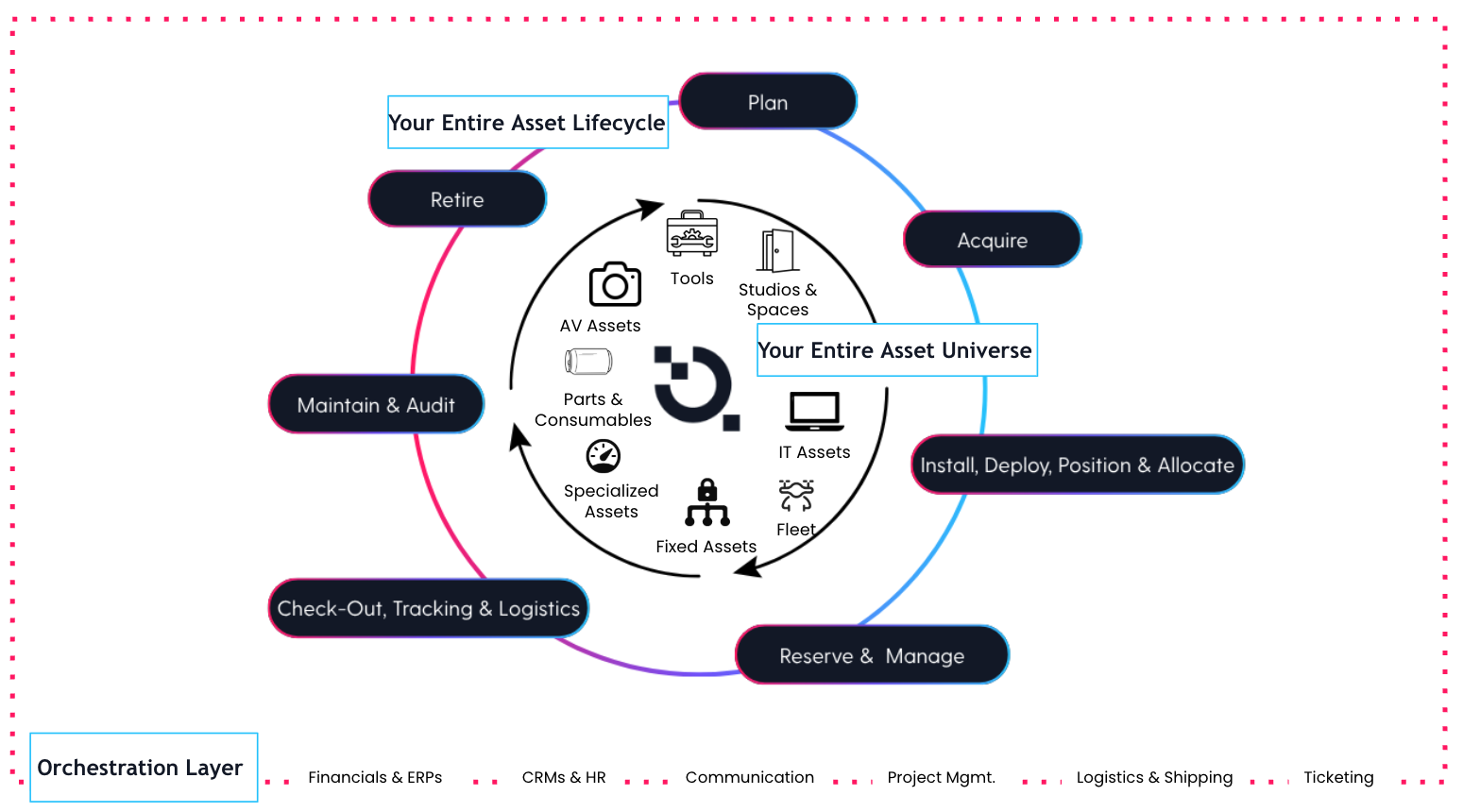
Asset Operations — AssetOps — is the discipline of coordinating people, physical assets, spaces, and maintenance in real time. It's not inventory tracking. It's not a spreadsheet. It's the operating system for equipment-powered work.

Where asset management tells you what you own, AssetOps tells you how it moves, who has it, and whether it's ready. That's the difference between a static record and a living operation.

ALT TEXT
💡 AssetOps is the 360-degree view of operations that connects people, places, and physical assets across reservations, readiness, and accountability so work keeps moving.
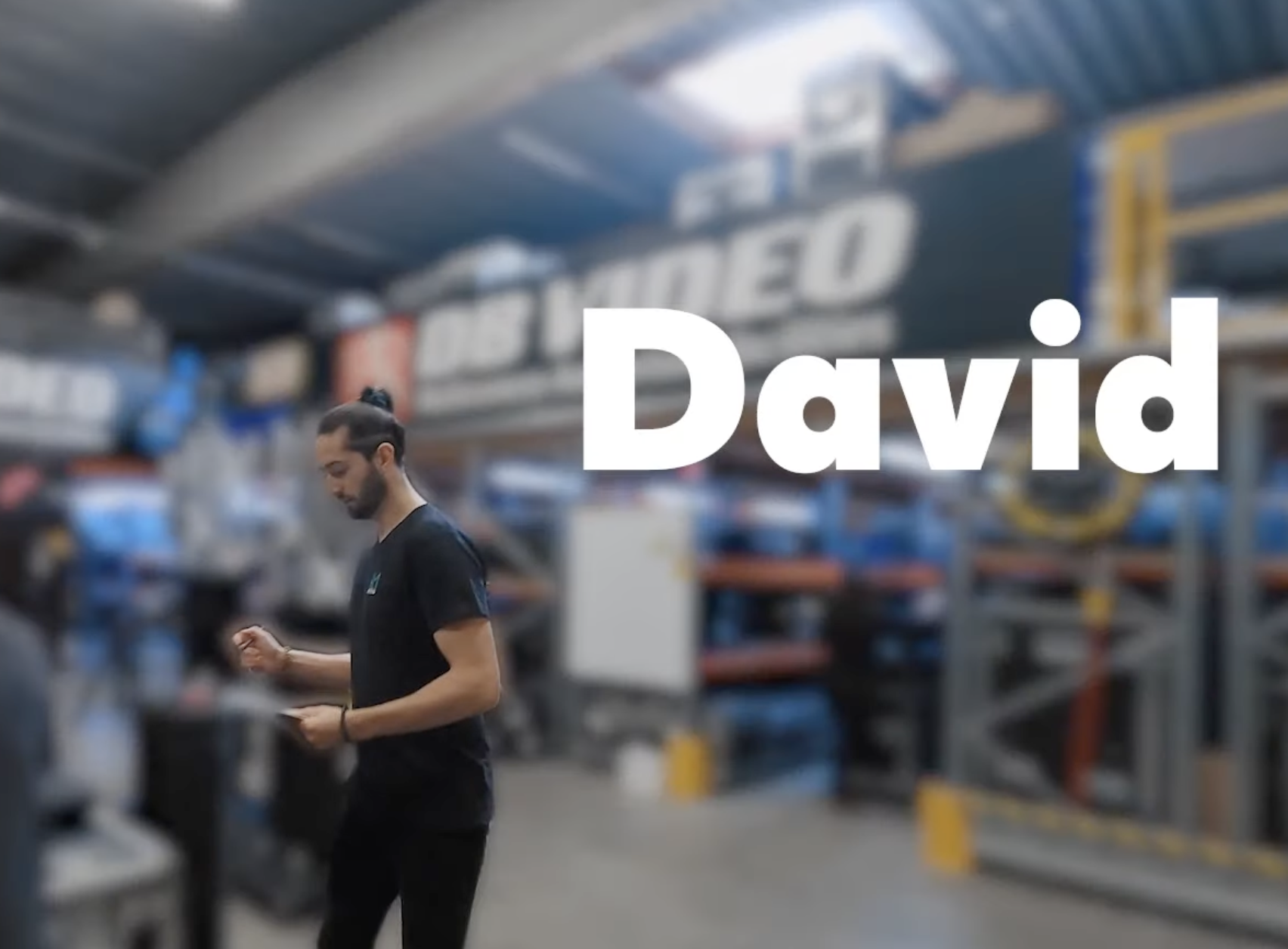
Meet David (from drone video)
Every organization has a David.

David is the person who knows where everything is. He remembers what got checked out last Tuesday, who borrowed the 4K camera, whether the studio is free on Friday. David is reliable, resourceful, and completely irreplaceable.

And that's exactly the problem.

Because "I think David has it" is not a business strategy.

When David is on vacation, the operation stalls. When David leaves, institutional knowledge walks out the door. When David is pulled into back-to-back fire drills, he becomes the bottleneck instead of the enabler.

AssetOps doesn't eliminate David. It frees him.

With AssetOps, David's knowledge lives in the system, not in his head. Everyone knows what to do, and work keeps moving. And David finally gets to focus on the work that matters.

The Real Enemy: Operational Silos

David is a symptom. The condition is fragmented operations: spreadsheets that don't talk to your booking system, maintenance logs that live in email, approval chains that run through Slack threads.

💥 56% of organizations still rely on spreadsheets or paper to run operations — systems that can't react in real time when a shoot slips, a lab overruns, or a deadline moves.

This is the invisible friction that steals your focus, turns brilliant ideas into logistical nightmares, and reduces your team to reactive problem-solvers. In a world that demands speed and execution, we're all being slowed down by the same broken system. That status quo is unacceptable.

Wasted Time:

64% of professionals report losing valuable time because needed equipment was broken or missing.

Operational Friction:

48% say their current reservation and check-out processes are more difficult than they need to be.

The Domino Effect:

For 34% of teams, these inefficiencies lead directly to project delays.

The AssetOps Advantage

The Old Way (David-Dependent)The AssetOps Way
"I think David has it"Real-time visibility for the whole team
The Master Spreadsheet (a.k.a. the Cell of Lies)A single source of truth that updates itself
Approval via email ping-pongSmart, automated approval workflows
Maintenance logged haphazardly when something breaksPreventive readiness built into daily operations and repairs tracked easily
Accountability is fuzzy and loss is frequentClear chain of custody, less loss, more trust
Data stuck in siloed toolsConnected stack across your entire enterprise
David is the bottleneckDavid is the AssetOps Leader

Why Now:

The Tipping Point is Here

The way teams work has fundamentally changed. Hybrid production environments. Cross-functional operations teams. Faster project cycles. Higher-value equipment shared across more people in more locations than ever before.

In this world, just knowing where things are isn't enough. You need to know how they move who approved it, whether it's been serviced, when it's due back, and whether the next team's project is at risk.

The cost of inaction is no longer just inefficiency. It's competitive disadvantage.

---------------------------------------------------------------------------------------------

🚨 The market has hit a tipping point. Generic point solutions that don't talk to each other are failing operations teams. The organizations that win in the next five years won't be the ones with the best gear — they'll be the ones who run the best operations.

90% of organizations report significant challenges with their current systems — and actively want to improve. The era of the point solution is over.

---------------------------------------------------------------------------------------------

The question isn't whether your operation needs AssetOps. The question is whether you'll lead the shift or react to it.

The Rise of the AssetOps Leader

This movement needs a leader in every organization. It needs you.

The AssetOps Leader is a new kind of operator. Part strategist. Part enabler. Part systems thinker. They don’t just manage equipment. They coordinate departments, connect the dots between operations, maintenance, facilities, and end users, and build an engine for consistent execution.

They're not the bottleneck. They're the reason work moves.

With AssetOps, David's knowledge lives in the system, not just in his head. Every department moves with confidence. And the AssetOps Leader finally gets to do what they were always meant to do: build something that lasts.

Your Future:

Zero-Friction Operations

When an AssetOps Leader is running the show, the whole organization feels it. Gear shows up ready. Requests get approved in minutes, not days. Maintenance happens before something breaks. And leadership has the visibility to make better decisions, without pulling anyone away from the work.

However you define it, the outcome is consistent: work flows, execution stays on track, and the operation becomes the competitive advantage.

Ready to Build Your Legacy?

The old way of working is failing. Spreadsheets, email chains, and disconnected point solutions are stealing your time and stifling your team's potential.

This is not a software change. It is a mindset shift. From managing gear to building an operation that powers what's next.

The AssetOps Era is here. Will you lead it?

FAQ

  • Traditional asset management answers: What do we own, and where is it supposed to be? It’s a system of record.

    A CMMS answers: What maintenance is due, what broke, and what did we do about it? It’s a system of service.

    AssetOps connects both to the day-to-day reality of getting work done: reservations, approvals, checkouts, chain of custody, space coordination, and maintenance tied directly to schedules.

    In other words:

    • Asset management = the inventory truth
    • CMMS = the maintenance truth
    • AssetOps = the operational truth that makes those truths usable in real time

    That’s why AssetOps isn’t “tracking plus maintenance.” It’s the coordination layer that turns asset data into execution.

  • No. AssetOps is built for any team where equipment, spaces, or shared resources are critical to getting work done. It connects operations into one 360 view so teams can save time, reduce costs, and keep a clearer, more reliable record of what is happening across the operation.

  • Cheqroom is built for fast activation. Most teams are up and running with core workflows in days, not months, with a mobile-friendly experience that supports on-the-go work. Setup is intuitive and designed for real teams and real workflows. If you want a more white-glove approach, our consulting services can help you get there faster. (Link to onboarding resources or case study)

  • Cheqroom's open API and native integrations connect AssetOps data to the tools your business already runs on, including ITSM, ERP, HR, Finance, and more. That means AssetOps signals, like reservations, readiness, chain of custody, and maintenance history, can show up in the systems teams already live in. Your operational intelligence does not stay siloed. It flows to the places where decisions get made, so leaders can act faster with less guesswork.