


Feature Asset tracking

Asset Tracking Software Built for Teams That Keep Moving

Cheqroom gives your team real-time visibility into every piece of equipment. See who has what, check assets in and out with a QR code scan, set up reservations, and get alerted when gear is overdue — from any device, anywhere.

30 min · Personalised to your team

Trusted by 1,400+ organizations

How Does Cheqroom's Asset Tracking Work For Operational Teams?

Cheqroom gives operational teams real-time visibility over every asset — who has it, where it is, and when it's due back — from any device, with no manual logging required.

QR Code, Barcode and RFID Asset Tracking, on Any Device

Every asset gets a unique QR code, barcode, or RFID tag. Team members scan with any smartphone to check equipment in or out, log a condition, or update a location. No dedicated scanner needed. Works offline too.

Real-Time Equipment Location Tracking

Always know where every asset is and who has it. Check the live map in the Cheqroom app, search any item to get its full history — last known location, who checked it out, and when it's due back. From your desk or across the country.

Accountability Built Into Every Checkout

Every checkout can include a digital loan agreement, signed on the team member's phone. Every document is stored automatically — fewer late returns, fewer disputes.

Full Equipment Inventory Control

One live view of everything you own. Set stock minimums, track consumables alongside fixed assets, and run utilization reports — all from the same dashboard.

Claim Back Your Time

Manual tracking eats hours every week. Cheqroom automates check-outs, returns, reservations, and overdue alerts — so your team spends time on the work, not on chasing gear.

Trusted By 1,400+ Equipment-Driven Teams Worldwide

From media production to higher education to enterprise operations — teams across every industry use Cheqroom to manage their equipment.

Logo compilation 5x1
User management

How Do You Successfully Implement Asset Tracking Software?

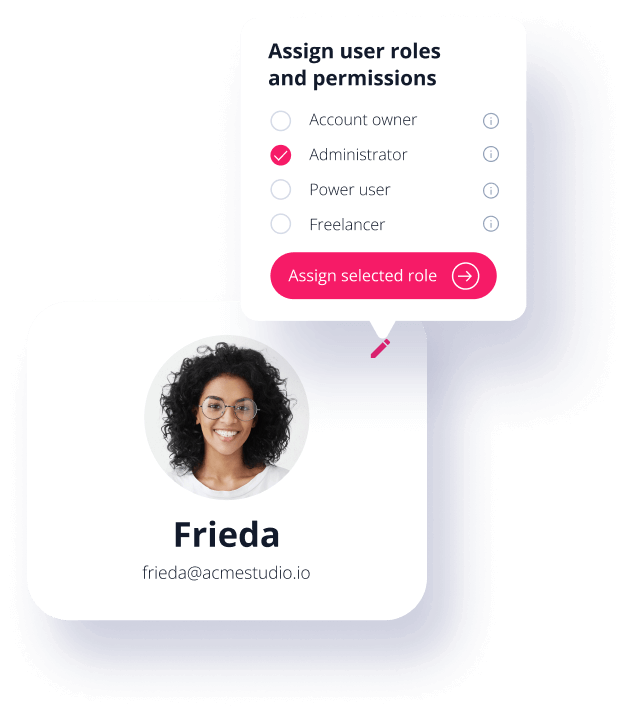
Most teams are fully operational in Cheqroom within 24–48 hours. Import your asset list, assign user roles, and print QR labels — no hardware purchases or IT project required.

  • Mobile-First Experience: Cheqroom is built for the people checking equipment in and out — not just the admins managing the system. The app is fast, clean, and works offline for field teams with no signal.
  • Data Migration Strategy: Before moving data (often from Excel), the vendor should provide templates to standardize naming conventions and locations. Losing historical data (maintenance logs, depreciation) undermines the new system's purpose.
User groups 2
  • Phased Rollout: The best implementations are often phased (e.g., department by department) to mitigate risk and allow for controlled testing before company-wide deployment.
  • User Training: Even the best system can fail without proper employee training on how to use the software and why asset tagging is necessary. Use a small pilot group of field staff, not just administrative staff, to test the app.
  • Integration and Scalability: The software must communicate seamlessly with existing critical systems (like ERP/Accounting) through pre-built connectors or a well-documented Open API. Cloud-native, SaaS architecture is prioritized for security and the ability to instantly scale.

Testimonial

Having a system like Cheqroom, it really gives me the confidence that all of our assets are safe.

Joshua Deveaux Equipment Manager at Bloomberg L.P.
Read Case Study

Stop Losing Equipment. Start Tracking It Properly

Cheqroom gives you a complete picture of every asset in real time — so equipment loss, double-bookings, and manual tracking stop costing your team time and money.

FAQs

  • Equipment asset tracking is the practice of monitoring your organization’s physical assets — where they are, who’s using them, and what condition they’re in — across their full lifecycle.

    For teams managing shared, high-value equipment like cameras, AV gear, laptops, and production kits, a purpose-built online asset tracking system replaces spreadsheets and guesswork with real-time visibility and automated workflows. Modern asset tracking software solutions use barcode scanning, QR codes, and RFID technology to eliminate the “where is it?” question entirely — giving operations managers, IT teams, and equipment coordinators a single source of truth for every asset they own.

  • Asset tracking software is how organizations monitor physical equipment in real time — who has it, where it is, and whether it's available. Using QR codes, barcodes, or RFID tags, every check-out, check-in, and location update is logged automatically.

    For teams managing shared, high-value equipment — cameras, AV gear, production tools, field kits — Cheqroom gives you that control without the admin overhead. No spreadsheets. No chasing people for updates.

  • RFID tracking is a method for managing high volume equipment that allows users to instantly scan hundreds of items at once. It creates a complete verification chain across an entire workflow, enabling scanning from check-out to on location verification to final check-in.

  • Use durable, professional-grade QR code labels. They can be scanned easily with any smartphone, hold more data than traditional barcodes, and allow you to instantly access an item's full history, status, and documentation from your centralized database.

  • It depends on the size of your inventory. The roll-out process varies from one week up to three months.

  • Yes. Cheqroom is SOC 2 Type II certified and GDPR and FERPA compliant. The platform is AWS-hosted with encryption at rest and in transit, role-based access controls, SSO/SAML support, and full audit logs across every user and asset action. Our full Security Overview details how we protect your organization.

  • Pricing varies widely. Some simple apps have free or low-cost plans. More robust platforms like Cheqroom are priced based on the number of assets you manage and the feature plan you need. Yearly plans can range from a few thousand to over $25,000 for large organizations with many assets.