How long does it take to get started?
It depends on the size of your inventory. The roll-out process varies from one week up to three months.

Book, track, maintain, and audit everything your teams share, from laptops and AV to tools, consumables, and rooms. One record, connected to the systems you already run.





Know Who Has It, Where It Is, and When It's Free
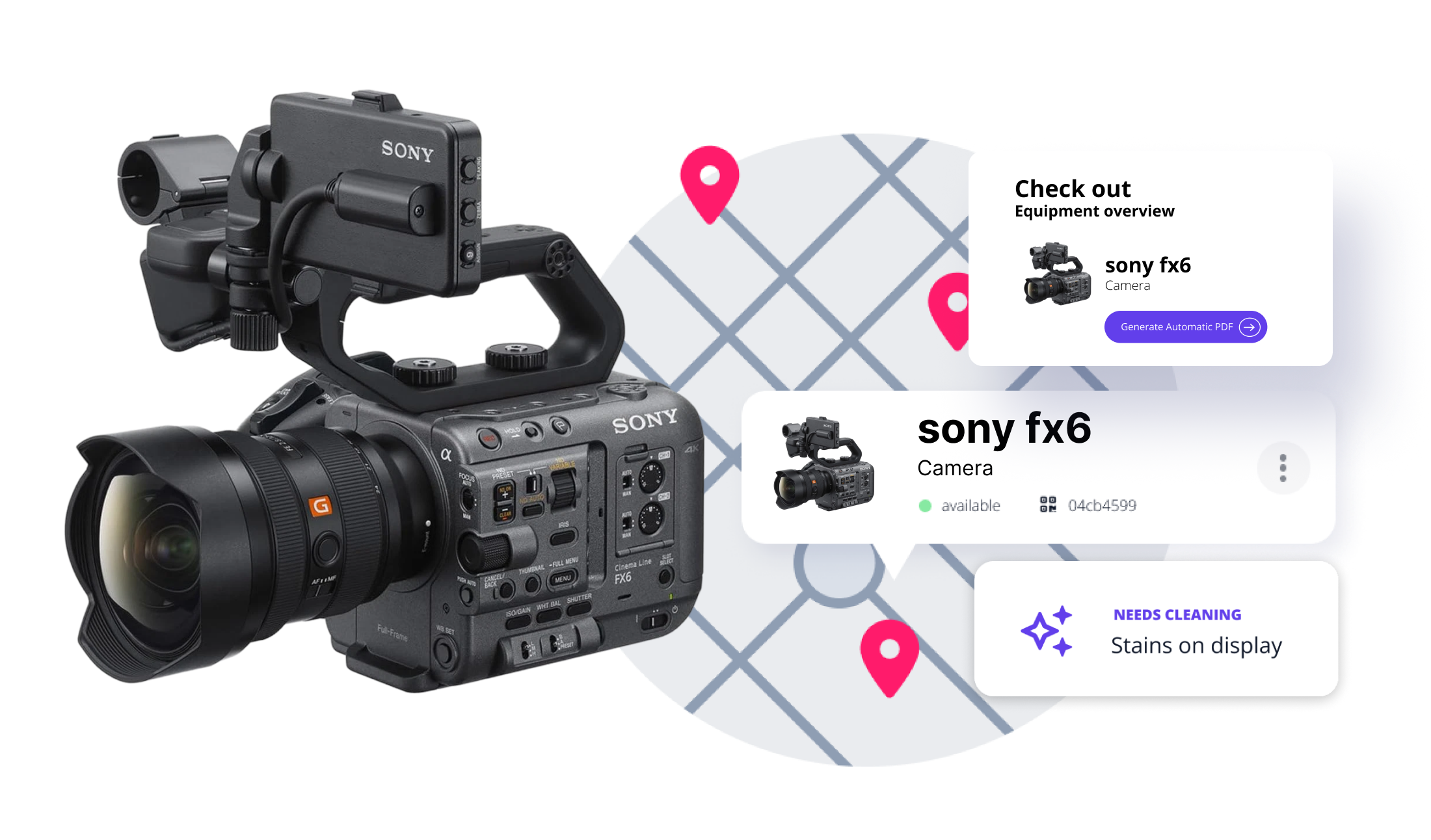
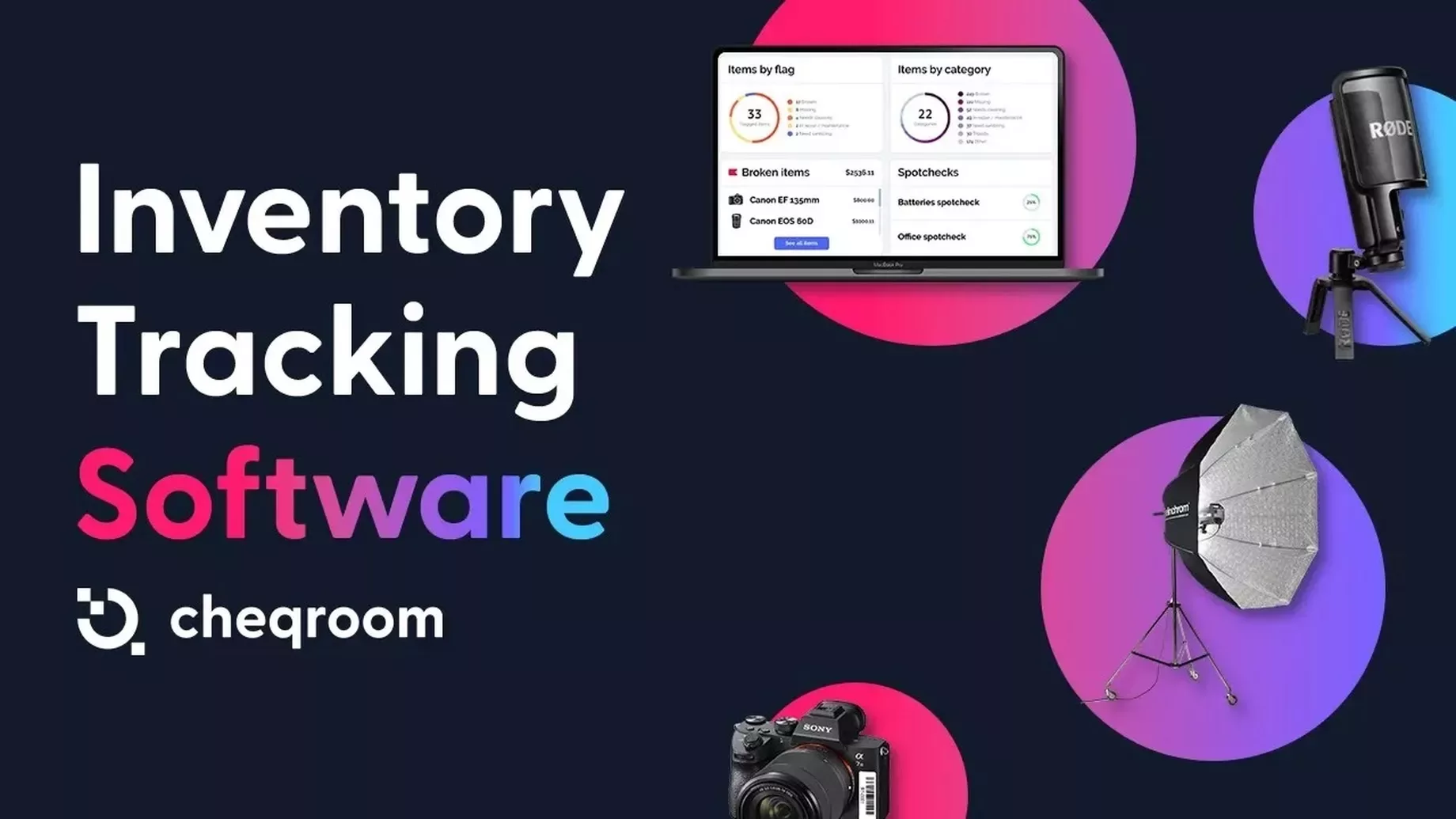
Corporate operations and IT managers track shared equipment across spreadsheets, inboxes, and Slack threads, so nobody trusts the count. Cheqroom replaces that with asset operations management: one live record of who checked it out, where it was last scanned, what condition it's in, and when it's booked next. It plugs into the stack you already run, from SSO to ITSM to project management, so every handoff gets logged without adding another tool.
Reduction in Equipment Loss
Increase in Team Productivity
Reduction in Compliance Prep
Less Equipment Downtime
Decrease in Redundant Purchases
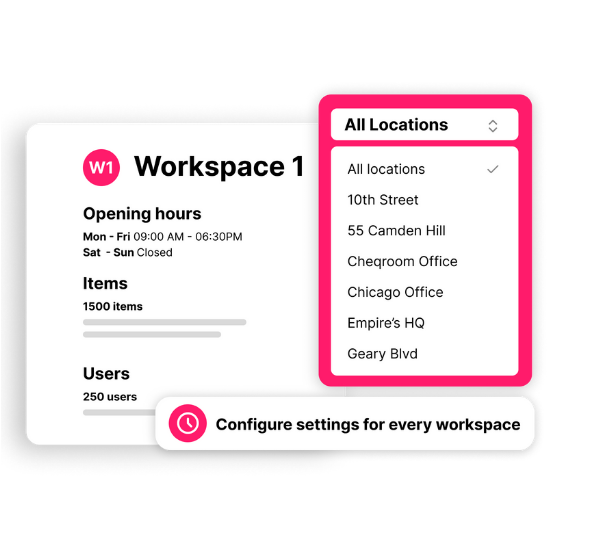
Gain unparalleled, centralized control over every piece of shared equipment across all your facilities and departments, eliminating costly asset silos.
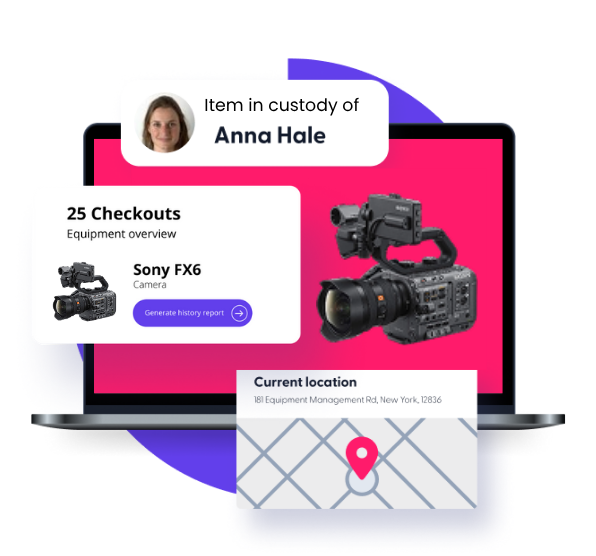
Instill a culture of ownership and drastically reduce loss by tracking the precise location and custodian of every mission-critical item.
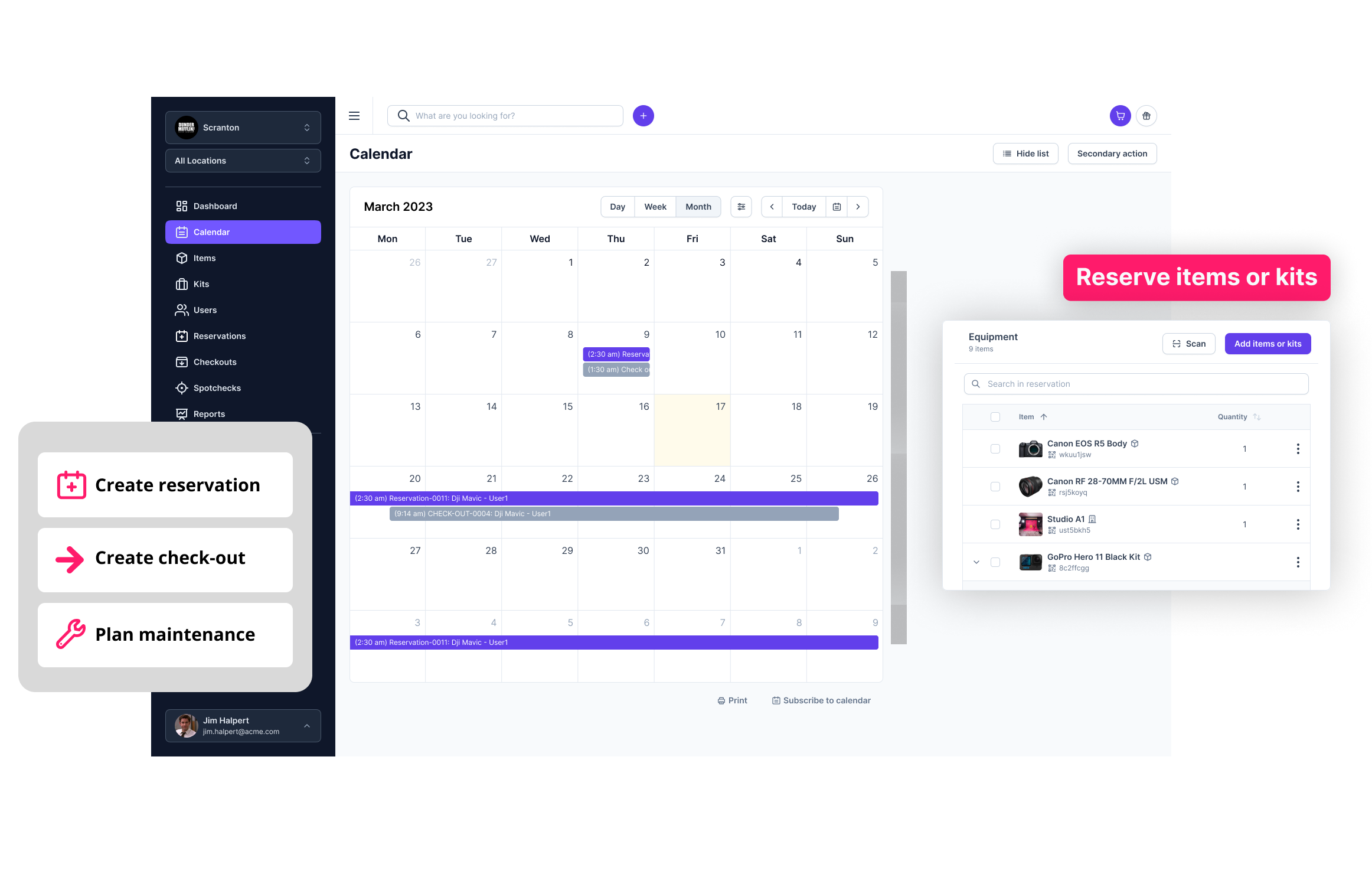
Equip your Media, Creative, and Events teams with the tools they need to share resources effortlessly, ensuring every project starts and finishes on time.


Access resources without the administrative friction. Teams can self-serve through mobile bookings and check-outs, eliminating long email chains and Slack-based requests. Automated reminders and clear due dates ensure equipment returns on time, every time.
Standardize equipment workflows across every location. Manage distributed equipment pools and multi-site inventory with rapid scanning and standardized check-in processes. Use automated maintenance scheduling to keep high-value gear ready for deployment and reduce operational downtime.
Balance team autonomy with rigorous oversight. Monitor real-time utilization and performance data to identify bottlenecks and justify budget requests. Our "control meets autonomy" model ensures your team stays productive while you maintain total accountability and loss prevention.
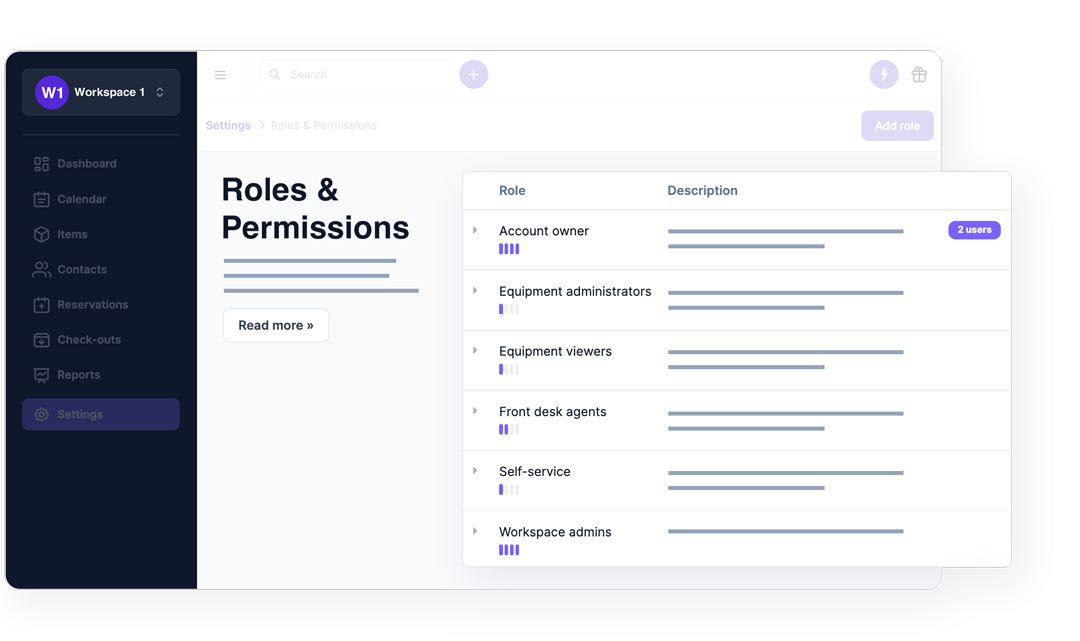
Remove procurement blockers with enterprise-grade readiness. Streamline user management with SSO integration and ensure compliance through our SOC 2 Type II-verified security standards. Maintain audit-ready inventory history and clear custody records to simplify financial reconciliation and annual audits.
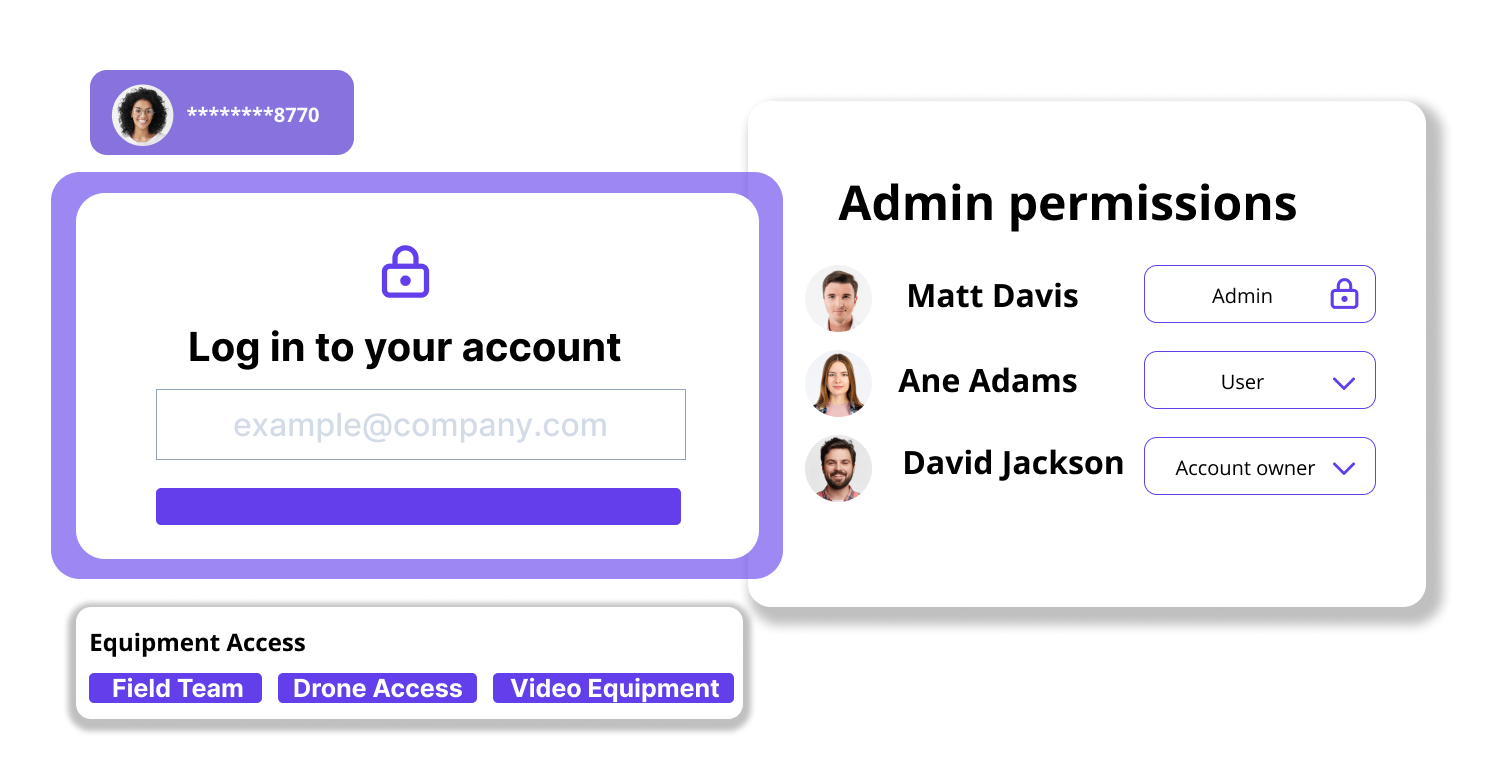
Maintain high standards of data security and control access across your entire organization with robust user management features.
Stop letting manual data entry and "rush-ship" costs drain your operational budget. PurplePass transitioned from a manual asset tracking system to a centralized, multi-warehouse workflow that ensures every event has the hardware it needs without the administrative headache.




Still managing assets with disjointed systems and manual processes? Imagine what streamlined, centralized control could mean for your corporation.
It depends on the size of your inventory. The roll-out process varies from one week up to three months.
The most important features in an inventory management system are real-time asset tracking across multiple locations, digital check-outs with timestamped signatures, role-based permissions that control who can access specific assets, and mobile scanning support for barcode, QR, and RFID. Document management, kit and bundle tracking, automated overdue alerts, and utilization reporting from procurement to disposal round out the core capabilities. Ease of use matters as much as the feature set: a system your field teams, coordinators, and administrators will not actually adopt is not solving any problem. Integrations with the tools your team already uses, including calendars, communication platforms, and ticketing systems, keep asset data connected to the rest of your operations without manual handoffs. The real differentiator is whether those features work together in one platform: an asset flagged for repair should automatically become unavailable for booking, custody transfers should update instantly, and reporting should give finance and operations a shared view of asset value, usage, and cost without anyone pulling data manually.
We take security seriously. Your data is encrypted and stored securely within the platform, adhering to industry standards. Learn more on our Security & Privacy page.
Yes. Cheqroom connects to the tools your IT, ops, and finance teams already use — through a full REST API, thousands of integrations via Zapier, and native SSO.
Common enterprise connections: ERP and finance (SAP, Oracle NetSuite, QuickBooks), ITSM and ticketing (ServiceNow, Jira), identity and access (Okta, Azure AD / Entra ID, Google Workspace, OneLogin, JumpCloud), communication (Slack, Microsoft Teams), and calendars (Google Calendar, Outlook / Microsoft 365).
Whether you want to sync lifecycle events, trigger maintenance workflows, or keep access governance aligned with your identity provider — Cheqroom fits into your existing stack rather than replacing it. Need something custom? Cheqroom Consulting can build it.
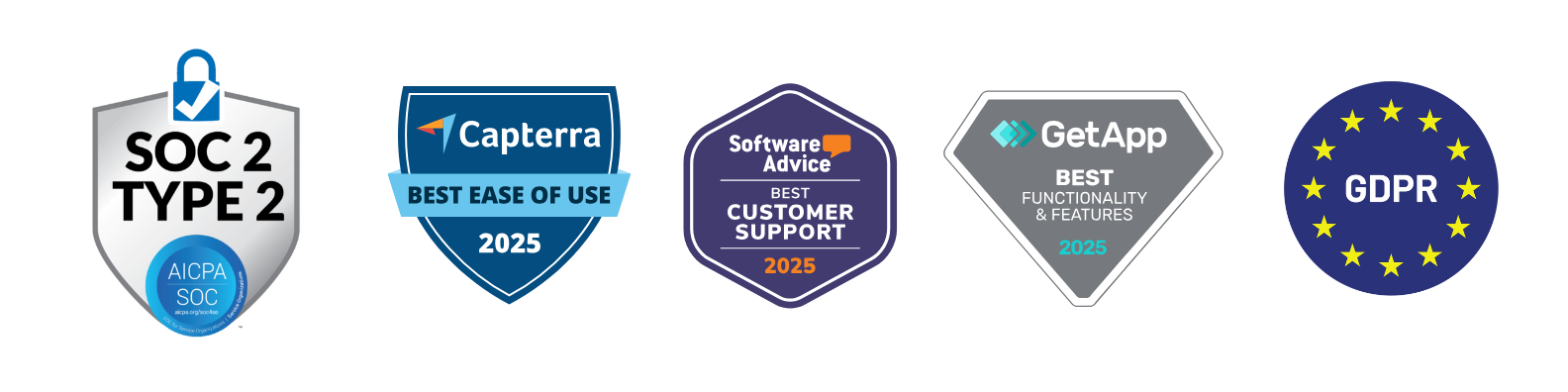
Cheqroom is SOC 2 Type II certified across Security, Availability, and Confidentiality — independently audited controls that remove vendor-risk and procurement blockers for enterprise teams. We're also GDPR, FERPA, and ADA compliant, hosted on AWS with TLS 1.2+ encryption in transit and AES-256 at rest, and undergo annual third-party penetration testing. Full details and audit documentation available at trust.cheqroom.com.
Cheqroom bridges the gap between high-level oversight and local execution. By centralizing multiple locations, branches, and remote workspaces into a single system, you maintain a flawless chain of custody as equipment moves between sites. This unified approach gives leadership total visibility into the global inventory, while still empowering local teams with the autonomy they need to manage their day-to-day operations efficiently.
We’ve built a mobile-first platform that allows employees to self-serve through reservations and check-outs. By giving users the autonomy to book what they need, you get the real-time accountability and audit trails you require without manual administrative friction.