How to Build a Foolproof Equipment Tracking System in 2025
In the world of high-value assets and complex operations—be it on a bustling film set, a live news broadcast, or a university media lab—equipment is the lifeblood of the business. Yet, managing these critical tools often feels like a constant battle against chaos. From lost gear and double bookings to unexpected breakdowns, the problems are as universal as they are costly. A foolproof equipment tracking system is the solution, and building one is a strategic investment that pays dividends in efficiency, accountability, and peace of mind.
This guide will walk you through the essential steps to design, implement, and optimize an equipment tracking system that works, turning your biggest operational headaches into streamlined workflows.
1. The Core Problem: Why Your Current System is Failing You
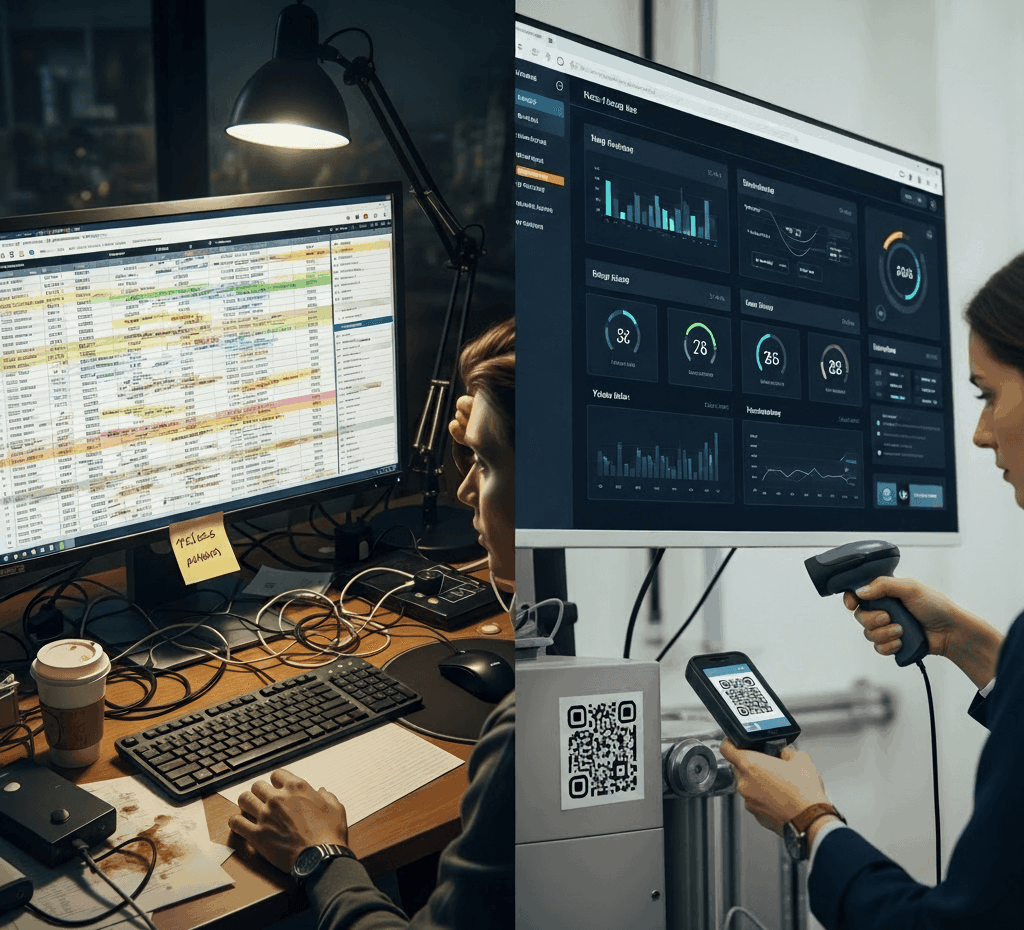
If you're still relying on spreadsheets, shared calendars, or a "trust-based" honor system, you're not alone. But these manual methods are fundamentally flawed. They create a chain of common, and expensive, problems:
- Lost or Stolen Assets: Without a clear audit trail, a missing camera or piece of audio gear can disappear without a trace, leading to significant replacement costs.
- Time-Wasting Inefficiency: Teams spend hours each week simply searching for equipment, manually updating records, and reconciling discrepancies.
- Scheduling Conflicts & Downtime: Double-booking an essential piece of gear can bring an entire project to a screeching halt, leading to missed deadlines and a cascade of delays.
- Lack of Accountability: When no one is held responsible, equipment is more likely to be returned late, damaged, or with missing components.
- Poor Maintenance: Without a system to track an asset's condition and maintenance history, equipment can break down unexpectedly during critical moments.
The goal isn't just to track your assets, but to build a centralized, real-time system that provides a single source of truth for your entire operation.
2. Foundational Pillars: Designing Your System 🏗️
A robust equipment tracking system isn't a single tool; it's a strategic framework built on several key pillars. Understanding these is crucial before you even look at software.
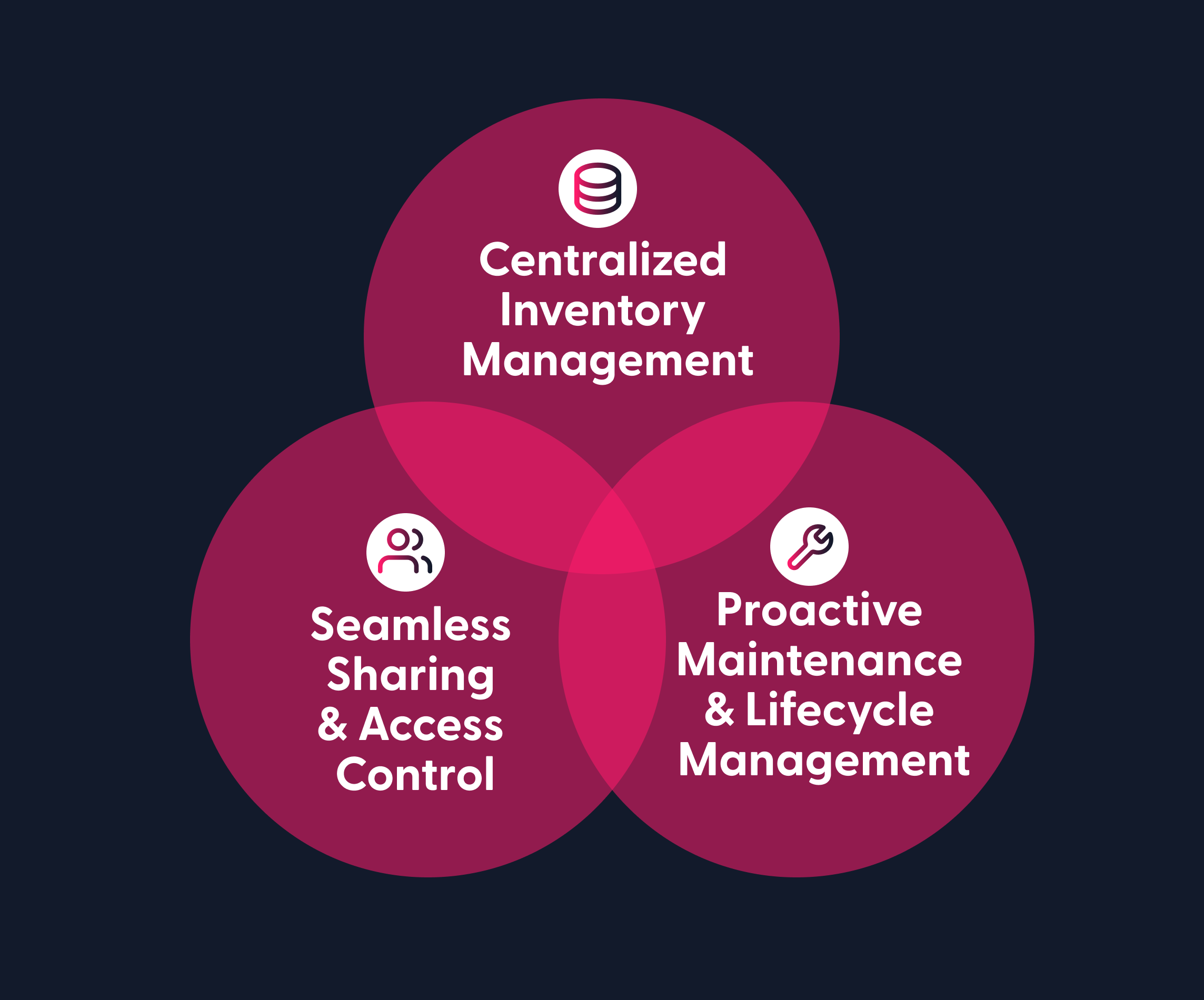
a. Centralized Inventory Management
This is the single most important component. Your system must provide a centralized repository for all your physical assets, from laptops and cameras to lighting rigs and lab instruments. This includes detailed records for each item, such as specifications, purchase date, warranty information, and associated documents like manuals or certificates.
- Why it's crucial: A centralized inventory eliminates the fragmented data that leads to mistakes, prevents duplicate purchases, and gives you a comprehensive, at-a-glance view of everything you own.
b. Seamless Sharing & Access Control
The value of equipment lies in its use. A foolproof system must streamline the process of getting the right gear to the right people at the right time. This means implementing a system for reservations, check-outs, and check-ins.
- Reservations: This is the proactive step to prevent double bookings and scheduling conflicts. Whether it's a student booking a camera for a project or a production team reserving a lighting kit for a shoot, a reservation system ensures equipment is available when needed most.
- Check-Out/Check-In: This is the point of accountability. A digital check-out process confirms who took what, when they took it, and when it’s due back. Mobile apps with digital signature capture and barcode/QR code scanning capabilities make this process fast and accurate.
- Access Control: Not everyone needs access to everything. A robust system should allow you to create roles and permissions to manage user access to equipment and data, ensuring sensitive assets are handled by authorized personnel only.
c. Proactive Maintenance & Lifecycle Management
Equipment that isn't working is a liability. Your system should track the condition of assets and enable proactive maintenance. This includes:
- Maintenance Tracking: A system to record and report on repairs, ensuring you have a complete service history for every item.
- Scheduled Reminders: Automated reminders for scheduled maintenance prevent costly breakdowns and extend the lifespan of your gear.
- Issue Flagging: The ability to flag equipment with problems immediately upon return ensures faulty gear is pulled from circulation and doesn't get used again.
3. Implementation Best Practices: From Theory to Reality
Once you've defined your needs, it's time to build your system. The following steps are key to a successful, high-adoption rollout.
Step 1: Conduct a Full Inventory Audit 📋
Before you can track anything, you need to know what you have. This is a top-to-bottom audit of all your equipment. Categorize assets by type, document their value, serial numbers, and existing condition. Use this opportunity to clean up your data and get rid of redundant or outdated information.
Step 2: Choose the Right Technology Stack
The right tools will make or break your system.
- Tracking Technology: Decide how you will physically tag your assets. Options include:
- Barcode/QR Codes: Cost-effective and easy to implement, ideal for on-site tracking and individual items.
- RFID: Great for bulk scanning and environments where line-of-sight is a challenge.
- GPS: Best for tracking vehicles, machinery, or shipments.
- Software Platform: Instead of trying to build a custom solution from scratch, look for a purpose-built Asset Operations platform. These solutions are designed to manage the entire equipment lifecycle, from booking and sharing to maintenance and reporting. Look for a platform that offers:
- Mobile Functionality: A dedicated app for on-the-go check-outs and check-ins.
- Customization: The ability to create custom fields and workflows to fit your specific needs.
- Integration: The ability to connect with your existing systems (e.g., ERP, ticketing software, etc.).
Step 3: Train Your Team and Foster Adoption
A system is only as good as the people who use it. Invest in training to ensure your team understands the benefits and feels comfortable using the new tools. Start with a pilot program in one department or location to iron out any issues before a full-scale rollout. Emphasize the long-term benefits: less time searching for gear, fewer last-minute crises, and more focus on their actual work.
4. Advanced Optimization: Gaining Strategic Advantage
Once your system is up and running, you can leverage the data it provides to make smarter business decisions.
a. Reporting & Analytics
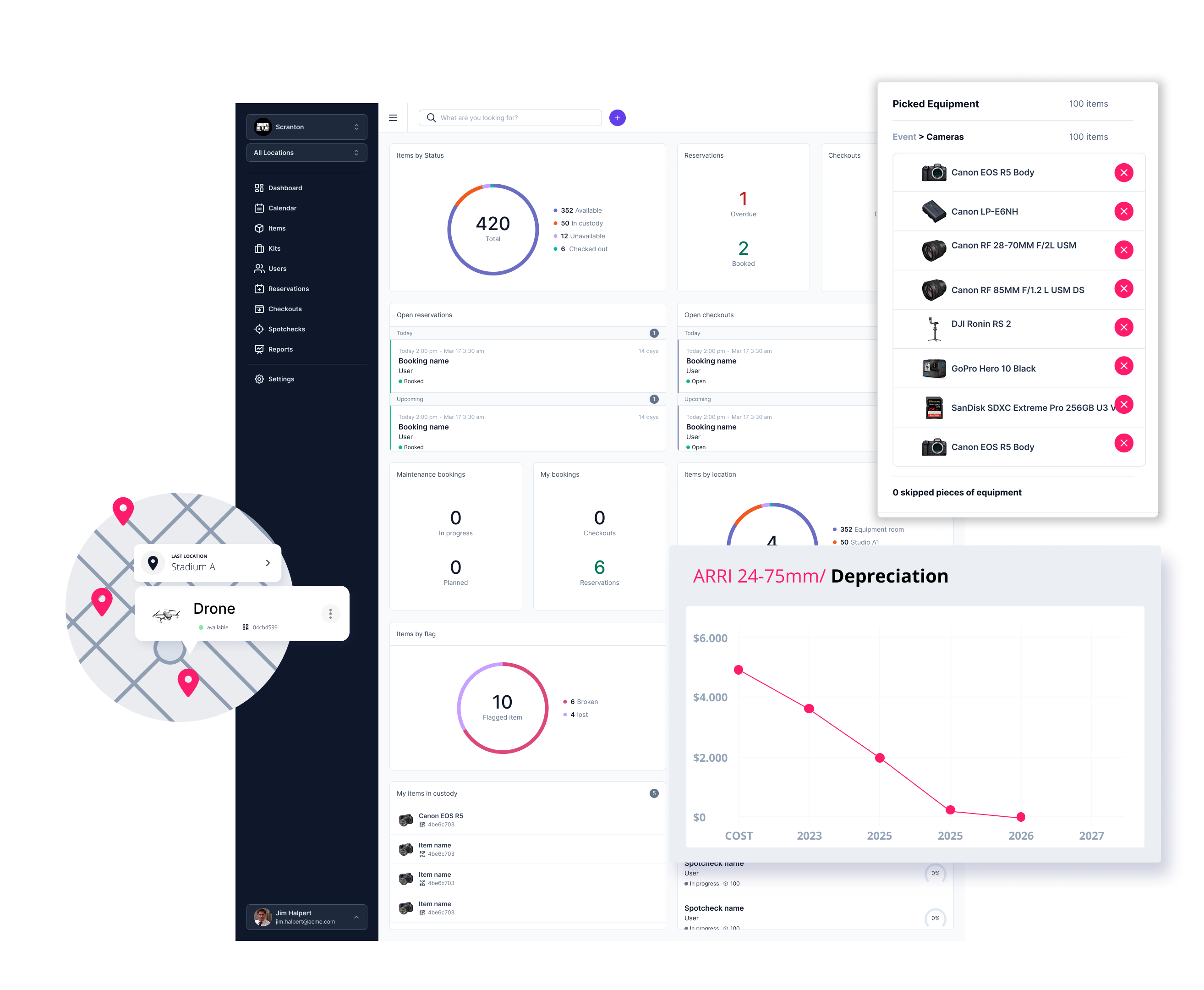
Your system is a goldmine of data. Use it to generate reports on equipment utilization, identify bottlenecks, and inform future purchasing decisions. Which assets are constantly in use? Which are gathering dust? This data helps you optimize resource allocation and justify departmental budget requests.
b. Usage-Based Maintenance
Move beyond scheduled maintenance and embrace a more dynamic model. By tracking asset usage and condition, you can predict when equipment is likely to fail and schedule maintenance proactively. This prevents unexpected downtime and ensures your gear is always ready for action.
c. Cross-Departmental and Multi-Location Tracking
For organizations with multiple campuses, studios, or field teams, a system that can track equipment across different locations is a game-changer. This central visibility allows you to share resources more effectively, reducing redundancy and maximizing utilization across the entire organization.
Your Blueprint for Asset Control 🧭
Building a foolproof equipment tracking system is an investment in your organization's operational health. It’s about more than just technology; it’s about a new way of working that prioritizes accountability, efficiency, and proactive management. By focusing on the core pillars of a centralized inventory, seamless sharing, and proactive maintenance, you can transform your operations from a source of stress into a competitive advantage.

As Cheqroom’s Content & Social Media Lead, Roy is the creative spark behind the brand’s online presence—turning stories, trends and insights into scroll-stopping moments across LinkedIn, Instagram and beyond.
From concept to camera to caption, Roy brings Cheqroom’s voice to life through videos, blogs and multi-format content that inform, entertain and grow a passionate community of equipment pros.
More blog articles