
























Header
Logistics & Shipping Workflow

Your Operations Don't Stop at the Loading Dock

Shipping and on-site operations work doesn't manage itself. Cheqroom connects every step, from request and prep through transit, on-site use, and back —  so every team knows what happened and what comes next.

One Logistics Workflow For Teams that Can't Miss a Step

Equipment moves between teams, locations, and borders, but the work that makes that possible rarely gets documented, and often not in the same system. When it doesn't, gray work fills the gaps: cases get packed with no shared manifest, hand-offs happen over text, damage is discovered on return with no record of who had it last, and projects are delayed because the right gear never made it to the right place.

See Logistics Management In Motion

Watch the 2-Minute Overview:

  • Capture internal orders with structured requirements, dates, and approvals
  • Build kits and work orders for picking, prep, packing, inspection, and staging
  • Generate manifests, and ATA Carnet-supporting documentation directly from your asset records
  • Assign 3PL and carrier references and surface shipment status across teams
  • Run on-site checklists and audits to confirm arrival, condition, and readiness
  • Build a defined receiving process that routes return exceptions to maintenance, calibration, or reassignment

How it works

From Order to Receiving

Cheqroom keeps your logistics connected to your equipment operations during every leg of the journey.

Logistics Planning with Cheqroom
Plan

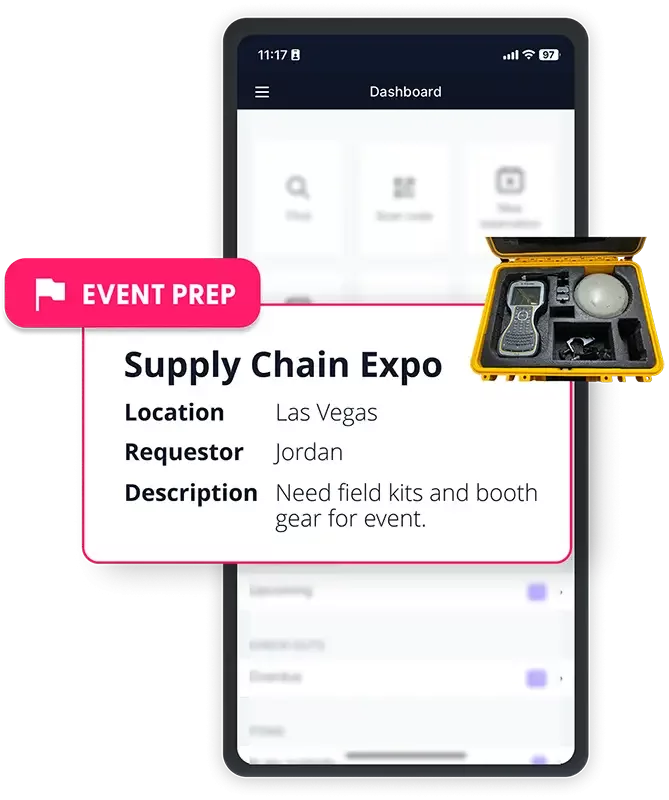
Capture the Internal Order

  • Submit from Anywhere. Requesters submit through the Booking Portal with asset requirements, dates, destination, and delivery needs.
  • Assign and enrich the order. Operation managers add project or event context, assign the work to the right team, and route any items that require approval before work begins.
  • Own the record. The approved order becomes the single operational record that drives every downstream step.
Logistics Prep and Equipment Readiness with Cheqroom
Prep

Build the Kit and Assign Work Orders

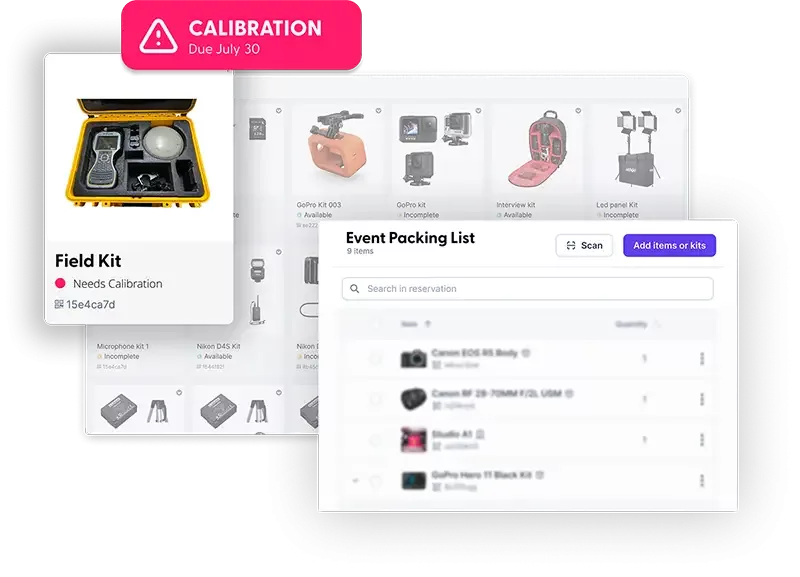
  • Convert booking to action. Create pick lists, prep and pack orders, and conduct pre-shipment inspection or calibration requests.
  • Control what ships. Confirm required accessories, cases, and documentation before logistics are finalized.
  • Flag shortages early. Surface substitutions and gaps before shipping.
Logistics Shipping Details and ATA Carnet with Cheqroom
Check

Finalize Logistics and Documentation

  • Build in buffer time. Factor warehouse prep, carrier pickup, transit, and return timing into the operational schedule.
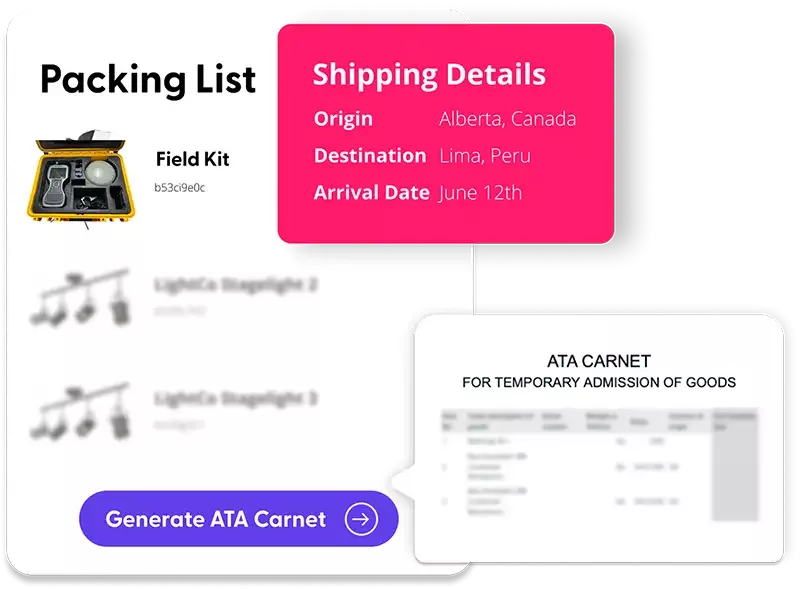
  • Generate documentation. Create manifest PDFs, warning labels, and ATA Carnet-supporting exports from the same asset record.
  • Capture every critical detail. Create one order to hold the origin, destination, transport method, dates, and the team responsible at every leg.
Logistics Equipment and Transit Tracking
Transit

Track Movement and Confirm Readiness

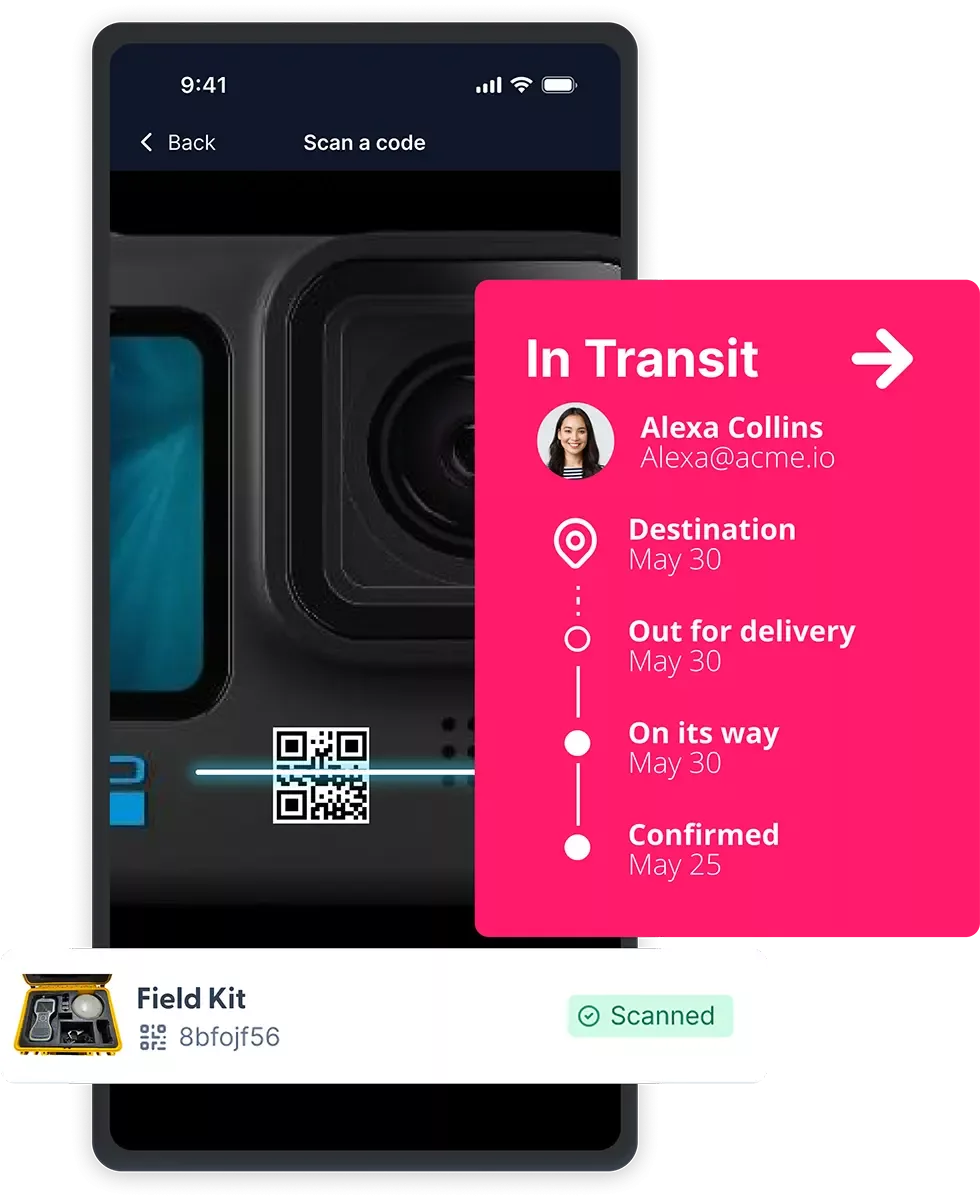
  • See exactly what's moving. Warehouse confirms dispatch by scanning assets into packed cases before pickup.
  • Monitor progress across teams. Carrier references, 3PL updates, and scan milestones are tied directly to the asset record.
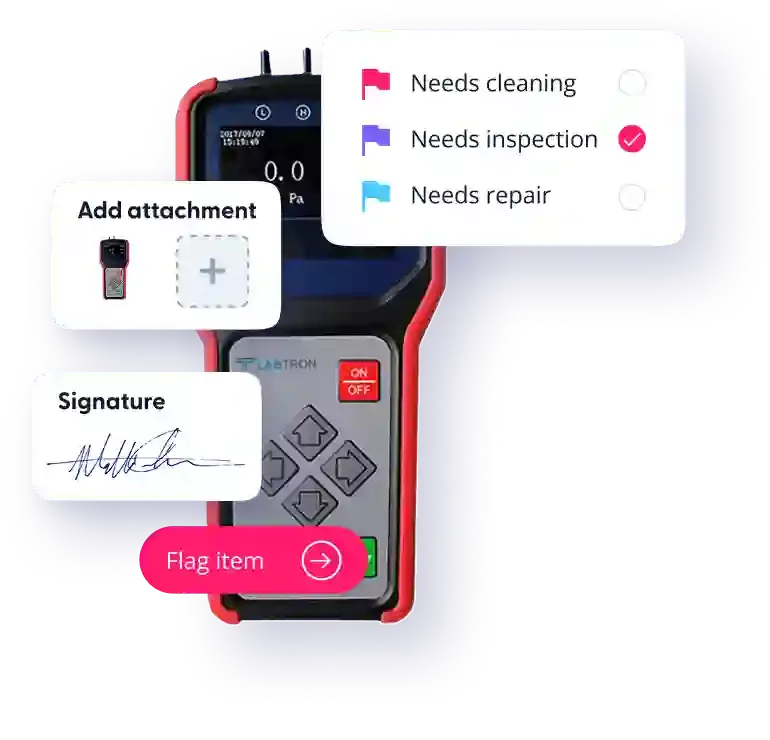
  • Audit before the deadline. On-site teams run checklists and spot checks to confirm arrival, condition, and readiness ahead of the project or event.
Maintenance Government Environmental Measuring Tool
Return

Receive, Transfer, or Return

  • Check in against the manifest. Receiving teams scan assets against the inbound list and capture condition and exceptions.
  • Route exceptions immediately. Missing or damaged assets go straight into maintenance, calibration, or reassignment workflows.
  • Close or continue the loop. Equipment returns to available status, transfers to the next location, or enters reverse shipping with its own structured workflow.

Industries

Built for Teams that Move Equipment for a Living

The stakes, the timelines, and the operational complexity vary, but the need to coordinate, document, and prove every handoff doesn't.

Broadcast & Live Production

Cameras, lenses, audio kits, and production infrastructure move across studios, sets, trucks, venues, and countries on tight turnarounds with no room for missing assets.

Sports & Entertainment

Touring crews and sports franchises move AV, staging, and performance gear across venues on fixed schedules, often crossing borders, where manifests and customs documentation need to be ready in advance.

Infrastructure, Construction & Mining

Specialized tools, safety-critical instruments, and project kits ship to remote sites where there is no easy way to recover from a missing or damaged asset.

Corporate Events & Field Operations

Equipment moves to customer sites, roadshows, and activations and needs to come back in the same condition it left.

Media, Agency & Brand Networks

Creative production gear, demo equipment, and event assets move across offices and markets with different teams handling each leg.

Capabilities

Because Logistics Is More Than Shipping

The Tools That Make Your Logistics Run Smoothly

Booking Portal & Internal Order Intake

Give requesters a structured way to submit equipment orders with assets, dates, destinations, and approvals — so your team is working from one clean record when warehouse and logistics work begins.

Kit Building & Work Orders

Convert approved bookings into kit builds, pick lists, and packing work orders. Standardized work orders keep critical details — origin, destination, transport method, and dates — consistent from the first handoff to the last, reducing the shipping mistakes that come from incomplete or inconsistent information.

Tracking & Audits

Scan assets into packed cases at dispatch, track shipment progress via carrier references or integrations, and confirm arrival, condition, and readiness with mobile on-site checklists and audits.

Logistics Documentation

Generate e-signature, ATA Carnet or customs-ready manifests directly from your asset records, with serial numbers, valuations, and condition status already populated.

Transfer, Reverse Shipping & Receiving

Close every loop with a structured receiving workflow, transfer-to-next-location support, and reverse shipping work orders that capture condition, exceptions, and reassignment.

Logistics Reporting

Surface failed handoffs, missed steps, late shipments, damaged assets, overdue returns, and open exceptions so operations leaders can see where logistics performance is breaking down.

Trusted by Organizations Where Lost Gear Doesn't Just Cost Money. It Stops the Show.

Stop Losing Track of Equipment the Moment It Leaves the Building.

Bring your current logistics process — however manual or disconnected — and we'll show you exactly how Cheqroom handles it, from first request to final return record.

FAQs

  • No. Cheqroom complements those systems by managing the asset-level logistics workflow. Shipping systems and Third-Party Logistics (3PLs) track shipments. Warehouse Management tools manage warehouse execution. Cheqroom connects the equipment request, kit, work orders, manifest, documentation, scan progress, audits, and receiving checklist so operations teams have one record of what moved and what work happened.

  • Yes. Cheqroom can generate manifests or an ATA carnet PDF through its built-in PDF templates—helping teams create the right travel documentation from system data instead of manual paperwork. You can include asset names, serial numbers, quantities, values, and condition status, tying directly from the asset record. For international movements, Cheqroom can support ATA Carnet documentation by exporting the asset details needed. Organizations should verify final Carnet requirements with their issuing chamber or customs advisor as part of their setup process.

  • Receiving teams can flag missing, damaged, or unready items directly on the inbound manifest. Cheqroom notifies the right team members and routes those flags to maintenance, calibration, reassignment, or removal from rotation, all linked to the asset record, shipment, and booking for reporting and accountability.

  • Yes. On-site teams can use mobile workflows to scan assets, confirm arrival, capture condition, flag exceptions, and run spot checks. This is especially useful for events, productions, field deployments, project sites, and multi-location transfers.