💡 Turning Facilities Asset Management into a Profit Center
Every significant building—from a corporate tower to a sprawling university—is more than just real estate; it's a massive, complex engine powered by interconnected assets. As a leader, you know this engine determines your organization's performance.
Facilities Asset Management (FAM) is the strategic discipline of managing the entire life of these physical assets—everything from your HVAC systems and plumbing to IT infrastructure and security gear. It’s about ensuring they run efficiently, safely, and sustainably.
Unlike general asset tracking, FAM is laser-focused on the built environment. Our goal is simple: to create a comprehensive framework for operating, maintaining, renewing, and retiring high-value assets. This isn't just maintenance; it's how you streamline operations, slash costs, and dramatically improve the experience of everyone who uses your space.
🎯 What We're Really Managing: The Scope of Your Asset Portfolio
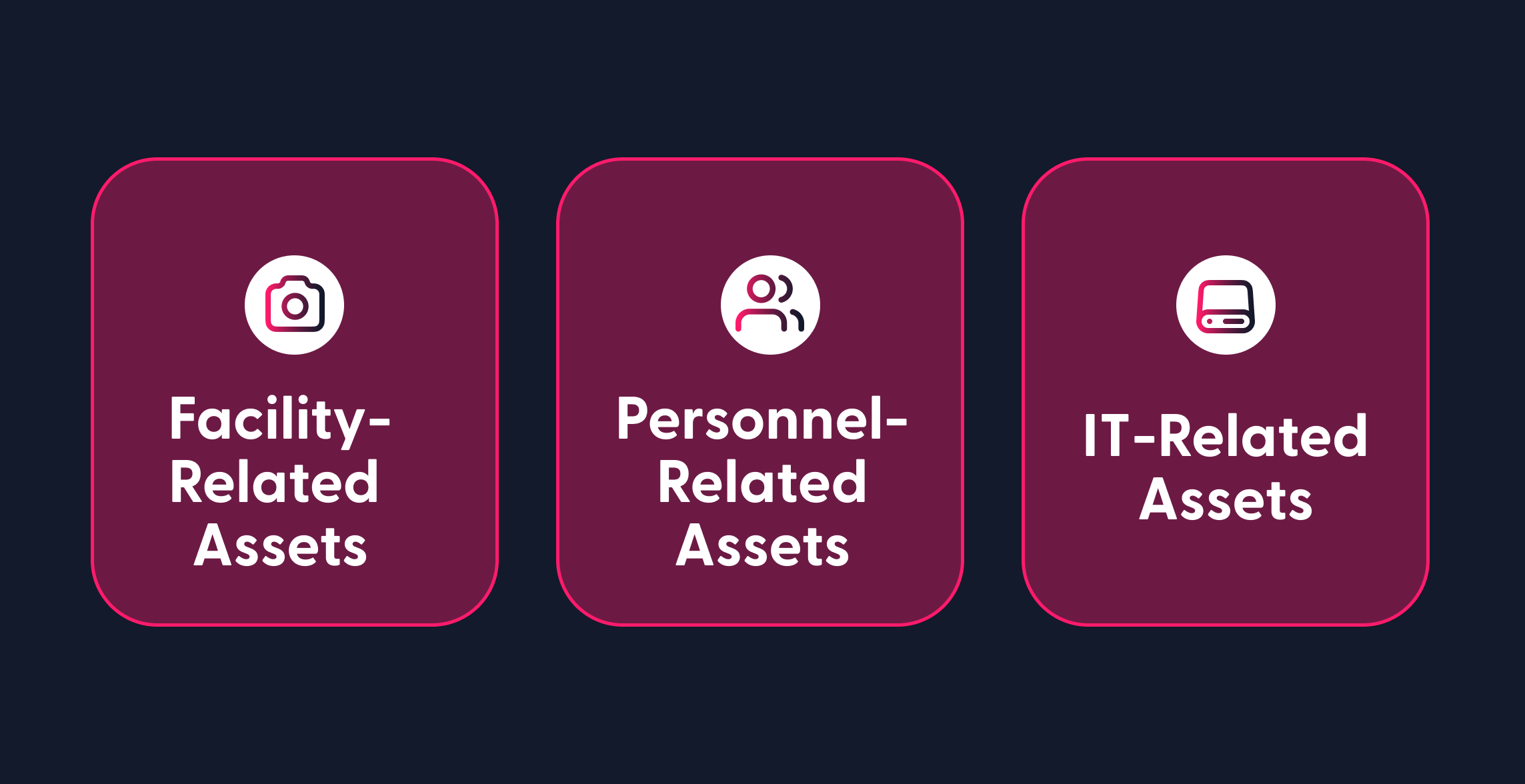
A truly strategic FAM plan looks across the entire facility. These are the high-value assets that depreciate over time but are critical to daily operations. They break down into three essential areas:
- Facility-Related Assets: The core infrastructure of your building. Think mechanical, electrical, and plumbing (MEP) systems like boilers, elevators, HVAC units, and structural items like roofing.
- Personnel-Related Assets: The tools your team uses to keep the building running. This includes maintenance vehicles, specialized diagnostic tools, and mobile devices.
- IT-Related Assets: The technological backbone. This covers data infrastructure, servers, security and building automation systems (BAS), and even software licenses.
Managing these assets isn't just a technical task; it’s a strategic driver of performance. A reliable HVAC system directly impacts employee productivity. Properly maintained lab equipment ensures research integrity. A well-maintained facility is a competitive advantage that helps you attract and retain top talent. This elevates the Facilities Manager from a technician to a strategic partner on your leadership team.
💰 The ROI: 5 Reasons a Strategic FAM Plan is a Must-Have
Implementing a structured FAM plan delivers benefits that directly impact your financial statements and operational excellence. This is the ROI you can expect:
- Extended Asset Lifespan & Better Utilization: By shifting to proactive maintenance and tracking the full lifecycle, you maximize the performance of every asset. This significantly delays costly replacements and makes sure you get the full value out of your equipment.
- Significant, Predictable Cost Savings: You move from expensive, reactive emergency repairs to a proactive model. This prevents small issues from becoming budget-busting crises, cuts maintenance spend, and reduces energy waste from poorly tuned systems.
- Enhanced Safety and Regulatory Compliance: A formal system for tracking inspections and maintenance records ensures all assets comply with industry standards and regulations (like OSHA). This is your shield against fines, legal risk, and a critical step in fostering a safer environment.
- Boosted Operational Efficiency: Centralizing asset data and streamlining work orders reduces equipment downtime and the administrative load on your teams. They can focus on high-value tasks, leading to faster response times and a more productive overall operation.
- Data-Driven Capital Planning: You can finally use hard data for long-term strategic planning. Metrics like the Facilities Condition Index (FCI)—the ratio of repair costs to replacement value—give you an objective way to assess building health, prioritize capital projects, and justify funding requests.
✅ Core Processes: How to Build a Foundation for Success
A successful FAM strategy is built on clear, modern processes. Forget the spreadsheets—modern facilities demand a data-driven approach:
Visuals: separate screenshots from Cheqroom that illustrate Asset Inventory, Preventive and Predictive Maintenance, Work Order Management, & Capital Planning
Key Processes:
- Asset Inventory: This is the non-negotiable first step: a detailed list of all physical assets, including their age, condition, and remaining useful life.
- Preventive and Predictive Maintenance: A disciplined schedule of maintenance to prevent issues, backed by data that helps you predict failures before they happen.
- Work Order Management: A streamlined system to manage requests, track maintenance tasks, and document all related work and costs for maximum efficiency.
- Capital Planning: Long-term forecasting for major upgrades or replacements, based directly on asset condition and future business needs.
Best Practices:
- Choose the Right Software: A modern, centralized software platform is essential. It's how you track assets, automate workflows, and collect performance data.
- Collect and Use Data: You must move away from guesswork. Leverage real-time data on asset performance to make informed, objective decisions and optimize your entire operation.
- Focus on Safety and Security: Safety is paramount in all maintenance. Ensure both your physical assets and digital control systems (like BAS) are secure.
📈 Overcoming Challenges and Proving Value
Facilities managers constantly face challenges: balancing sustainability with tight budgets, dealing with aging infrastructure, and often, internal resistance to new technology.
The key to overcoming all of this is demonstrating quantifiable value through data.
A centralized platform provides the clear, actionable insights needed to build a strong business case. By tracking costs, downtime, and energy usage, you can prove the Return on Investment (ROI) of your initiatives and justify the necessary funding for technology and resources. A user-friendly, mobile-first system also makes the transition smoother for your entire team, driving rapid adoption.
💡 Time to Transform Your Facilities from Cost Center to Asset
Facilities Asset Management is a strategic, comprehensive discipline that transforms your building from an unpredictable cost center into a high-performing business asset.
By implementing a structured plan that combines proactive maintenance, data-driven decision-making, and modern technology, your organization will streamline operations, secure deep cost savings, enhance safety, and create an environment that actively contributes to your success.
Stop managing facilities in the dark!
See how a centralized platform can transform your operations and discover a simpler, more strategic way to manage your facility's most critical assets.