Can Cheqroom automatically track calibration deadlines for equipment?
Yes. Cheqroom's AssetOps platform tracks calibration intervals per asset and automatically flags equipment when calibration is due.
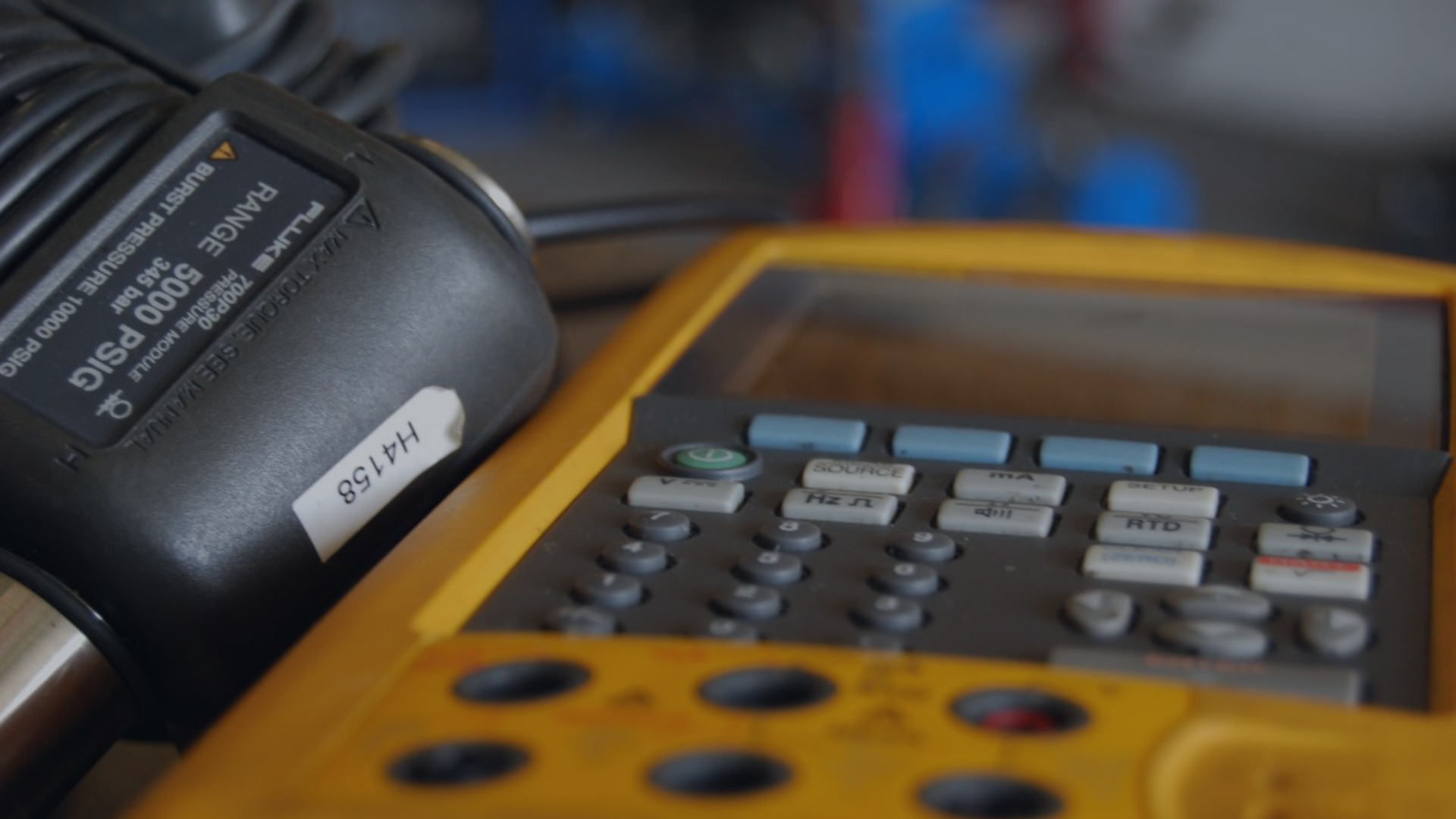
For operations and compliance teams in regulated industries (manufacturing, healthcare, and government facilities among them) a missed calibration deadline isn't a minor slip. It's the difference between an audit you pass and one you don't. Cheqroom exists to close that gap: it turns calibration from a date on a spreadsheet into a tracked, enforced workflow tied directly to the asset itself.
TL;DR: Cheqroom's AssetOps platform automates calibration scheduling and keeps a permanent, audit-ready record for every asset, tracking due dates, logging who performed each calibration and when, and restricting an asset from use if it falls overdue. Cheqroom customers report a 25% reduction in equipment loss and 80+ hours saved per team per month, and 60% cut in compliance prep time after moving audit documentation out of spreadsheets and into Cheqroom.
Equipment calibration management is the process of scheduling, performing, and documenting calibration checks so equipment stays within required accuracy and safety standards. For operations and compliance teams working under regulatory or contractual requirements, calibration isn't optional maintenance. It's a compliance obligation with a paper trail attached.
Most teams track calibration deadlines in a spreadsheet, and that spreadsheet becomes something people avoid opening, because everyone suspects it's out of date.
A spreadsheet can hold a due date. It can't enforce one, and it can't prove what actually happened.
That gap becomes obvious the moment an audit starts. Someone has to reconstruct calibration history from certificates, emails, and memory, hoping nothing was missed. If a deadline slipped and nobody caught it, that's not discovered until an auditor or a safety incident finds it first.
Operations and compliance managers don't just need to know a calibration happened. They need to prove it, on demand, for every asset, every time. A manual system makes that proof a research project instead of a report.
The pattern is consistent across regulated environments:
This isn't a diligence problem. It's the predictable result of tracking a compliance deadline the same way you'd track a birthday reminder.
Cheqroom's AssetOps platform closes that gap by treating calibration as a scheduled, tracked workflow tied directly to the asset, not a date on a separate list.
Calibration intervals are set once per asset type, and Cheqroom tracks the countdown automatically. When a calibration is due, the system flags it and can block the asset from use until the calibration is logged as complete. Every calibration event, along with who performed it and when, is recorded permanently against that asset's history, creating a record that holds up under audit instead of one that has to be reconstructed for it.
A global broadcaster used this approach to cut compliance prep time by 60%, pulling audit documentation and export paperwork directly from Cheqroom reports instead of manual spreadsheets. Across Cheqroom customers, teams see a 25% reduction in equipment loss and 80+ hours saved per team per month by moving this kind of tracking out of spreadsheets and into one system.
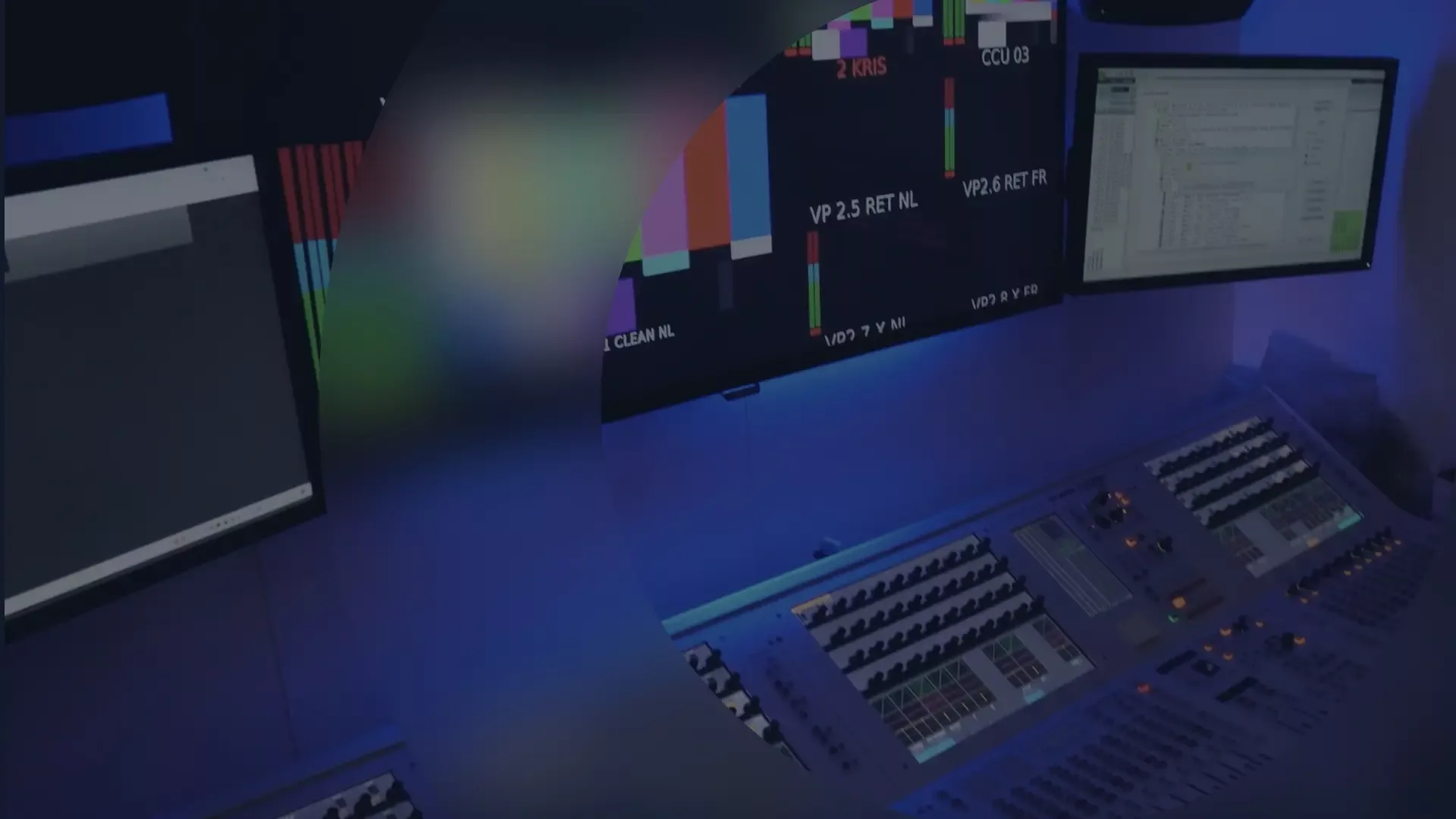
A piece of lab equipment requires calibration every 90 days. Cheqroom's AssetOps platform tracks that interval automatically and flags the asset as due five days before the deadline. If the calibration isn't logged by the due date, the asset is automatically restricted from further use until it's completed. When an audit request comes in, the full calibration history, dates, technicians, and certificates, is already attached to the asset record.
That's the real shift. Not a stricter policy. Not one more reminder email that gets ignored. One system where every calibration deadline is tracked automatically and every completed calibration builds a record that's already audit-ready.
Teams that make this switch stop dreading the word "audit" and start treating it as a report they can generate rather than a scramble they have to survive. Deadlines stop depending on someone remembering. Compliance stops being a spreadsheet people are afraid to open and becomes a system people actually trust.
That's the difference between hoping your records hold up and knowing they already do.
Calibration is one of six operational workflows Cheqroom's AssetOps platform connects, alongside maintenance, logistics, event prep, invoicing, and facilities. See how the full AssetOps platform brings these together.

See how Cheqroom's AssetOps platform turns calibration deadlines into an automatic, audit-ready record (no spreadsheet required).

Meet Maria Fernanda Benitez, our Marketing Specialist driving Cheqroom’s voice and performance. Mafe blends creativity with data, shaping content, managing social media, and supporting operations while keeping a close eye on what actually works.
She has a natural instinct for trends and performance and loves turning insights into smarter decisions. Her favorite part? Brainstorming, optimizing, and making every idea count.

Yes. Cheqroom's AssetOps platform tracks calibration intervals per asset and automatically flags equipment when calibration is due.
Yes. Every calibration event, including who performed it and when, is logged against the asset's history and available on demand.
Yes. Assets can be automatically restricted from use once a calibration deadline passes, until the calibration is logged as complete.
No. Calibration and maintenance are part of a larger picture. Cheqroom's AssetOps platform connects calibration status directly to booking, availability, and the full asset lifecycle, so a calibration-blocked asset is automatically pulled from what's bookable, not just flagged in a separate maintenance system. See how Cheqroom compares to a traditional CMMs