🧰 We toured 3 of the coolest equipment rooms on the planet — a broadcast truck, an underwater studio, and a university XR lab.
⚙️ Each space runs flawlessly thanks to smart equipment management, not just fancy gear.
🔍 Centralized tracking keeps every camera, cable, and headset organized and ready.
🚀 The result: less chaos, more creativity, and teams that never miss a beat.
💡 Takeaway: When your gear’s managed right, your team can focus on creating magic.
We’re total gear nerds at Cheqroom.
Seriously, we love equipment. A lot. And the best part of our job is getting to visit our clients and see their spaces.
We’ve seen it all. The single closet packed floor-to-ceiling with tripods. The new studio with boxes yet to be unpacked. And, of course, the dreaded "Spreadsheet of Doom" taped to a cabinet.
But sometimes, we walk into a space and just... wow.
These are the gear rooms that run like a high-end store, a broadcast control center, or a high-tech lab. The gear is amazing, yes. But the real secret? They all have flawless equipment management.
Want to see what we mean? Here are 3 of the coolest and most organized client spaces we’ve ever visited.
What makes an equipment room 'cool' anyway?
It’s not just about having the newest, most expensive gear (though that helps).
A truly "cool" equipment room is one that works.
It’s a space where creatives can actually get the tools they need, when they need them. It’s a place where asset tracking is so smooth, it’s invisible. It’s organized, it’s efficient, and it empowers the team to do their best work instead of just hunting for cables.
These three spaces nail it.
1. Mediapro’s Outside Broadcasting Truck: The Mobile Production Machine
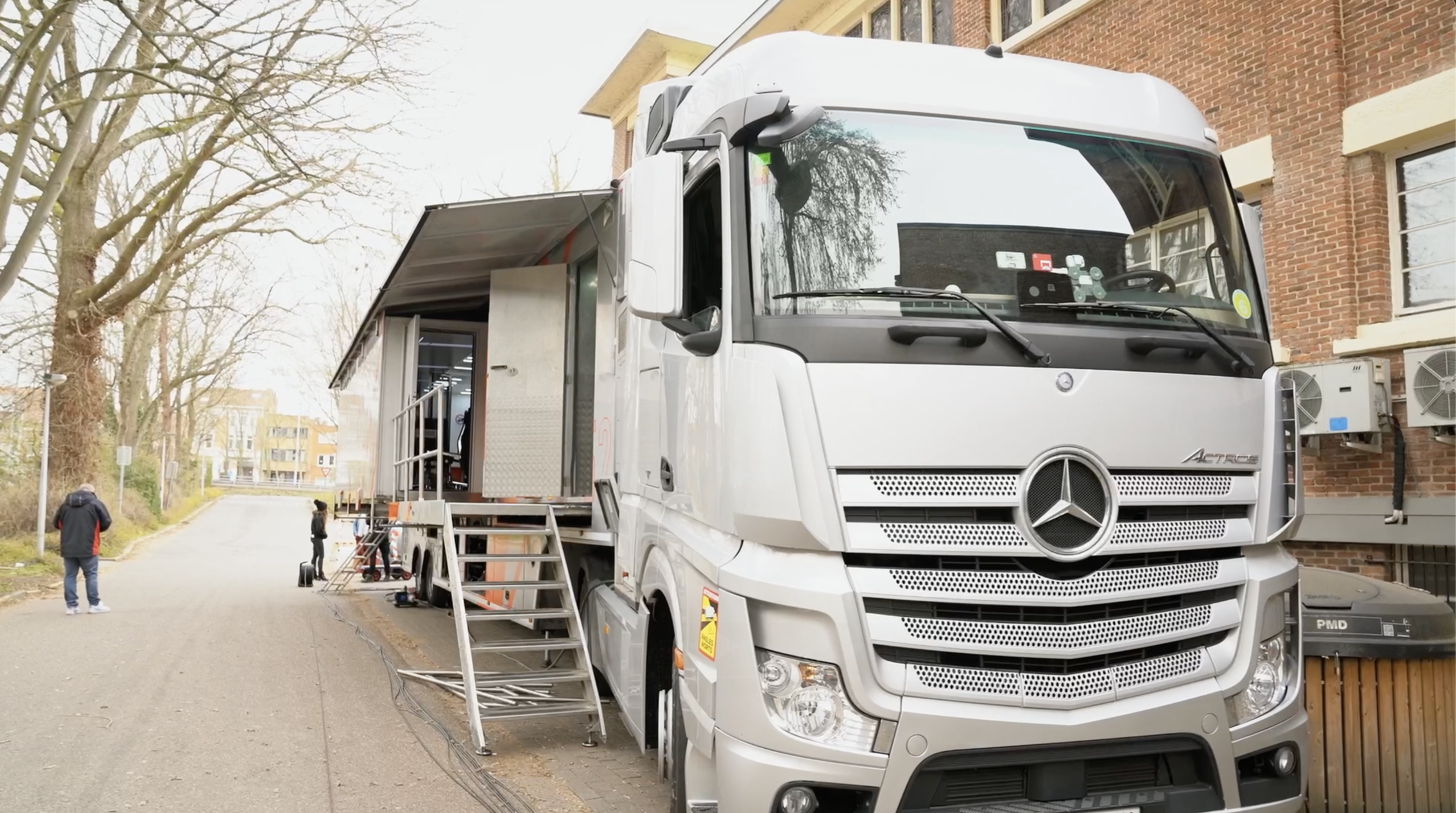
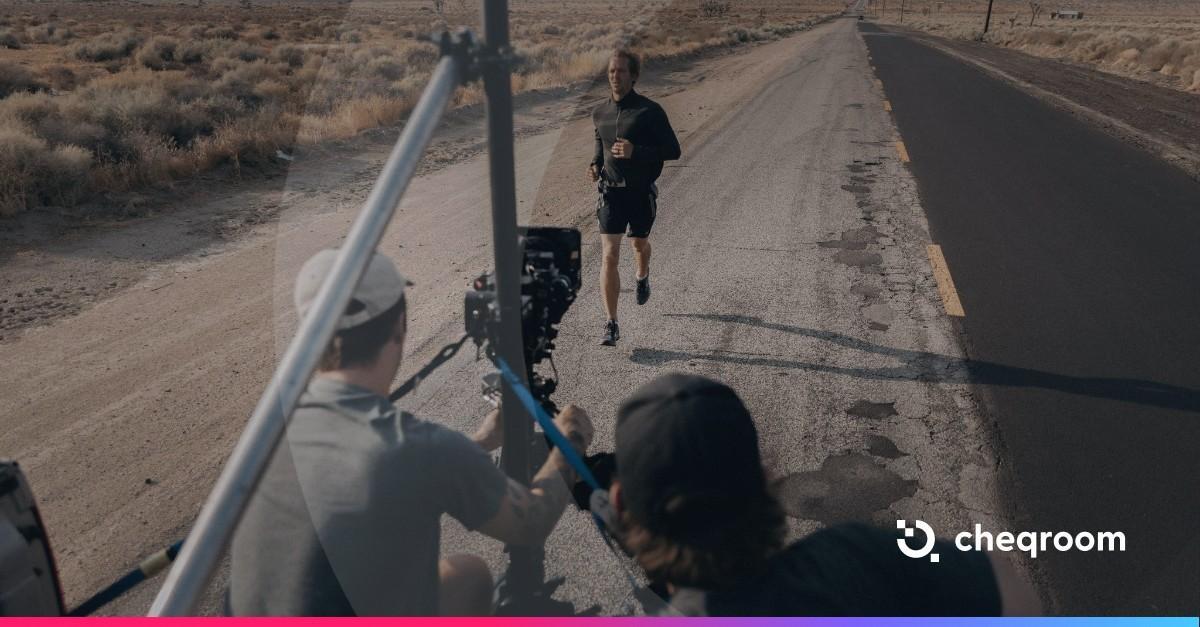
Imagine a high-tech vehicle, not just a van, but a fully equipped broadcast command center on wheels. That’s what we found when we visited Mediapro’s Outside Broadcasting Truck.
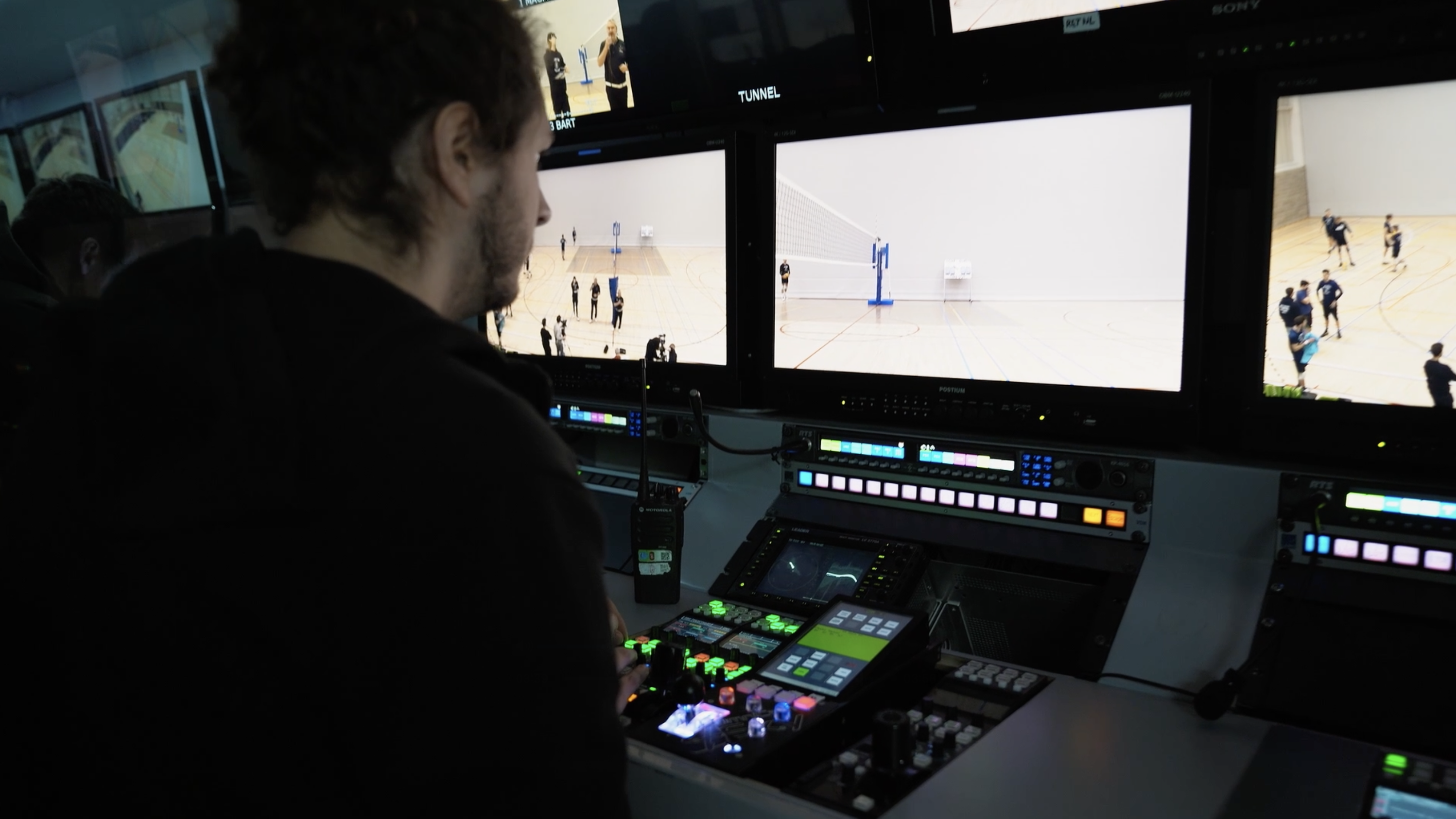
In this mobile studio the gear room is everywhere: cables, switchers, monitors, audio mixers—everything lives in racks inside the truck. It’s not your typical “studio closet”; it’s an entire studio brought to the event.
Why it’s cool: The equipment is built to move. Everything must be rugged, organized, and ready to deploy at a moment’s notice.
The Management Secret: Inventory and workflow here have zero margin for error. Gear must be pre-configured, harnessed, tracked and ready. The checkout isn’t just a loan—it’s a mission. The equipment management system needs to support mobile readiness, metering uptime, and gear condition across transit, not just in one fixed room.
2. Lites Studio’s Underwater Studio: Where Cinema Meets Water
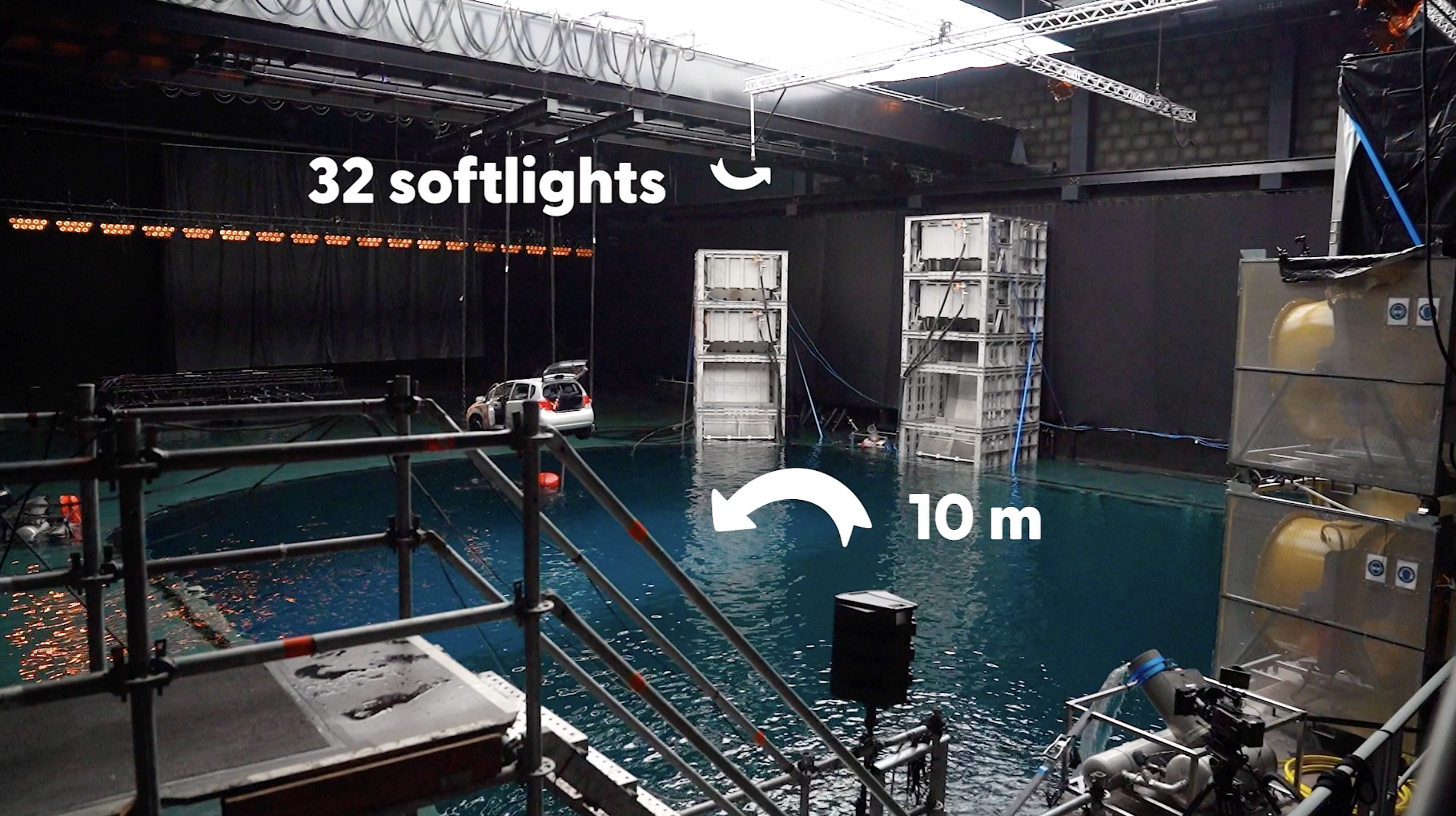
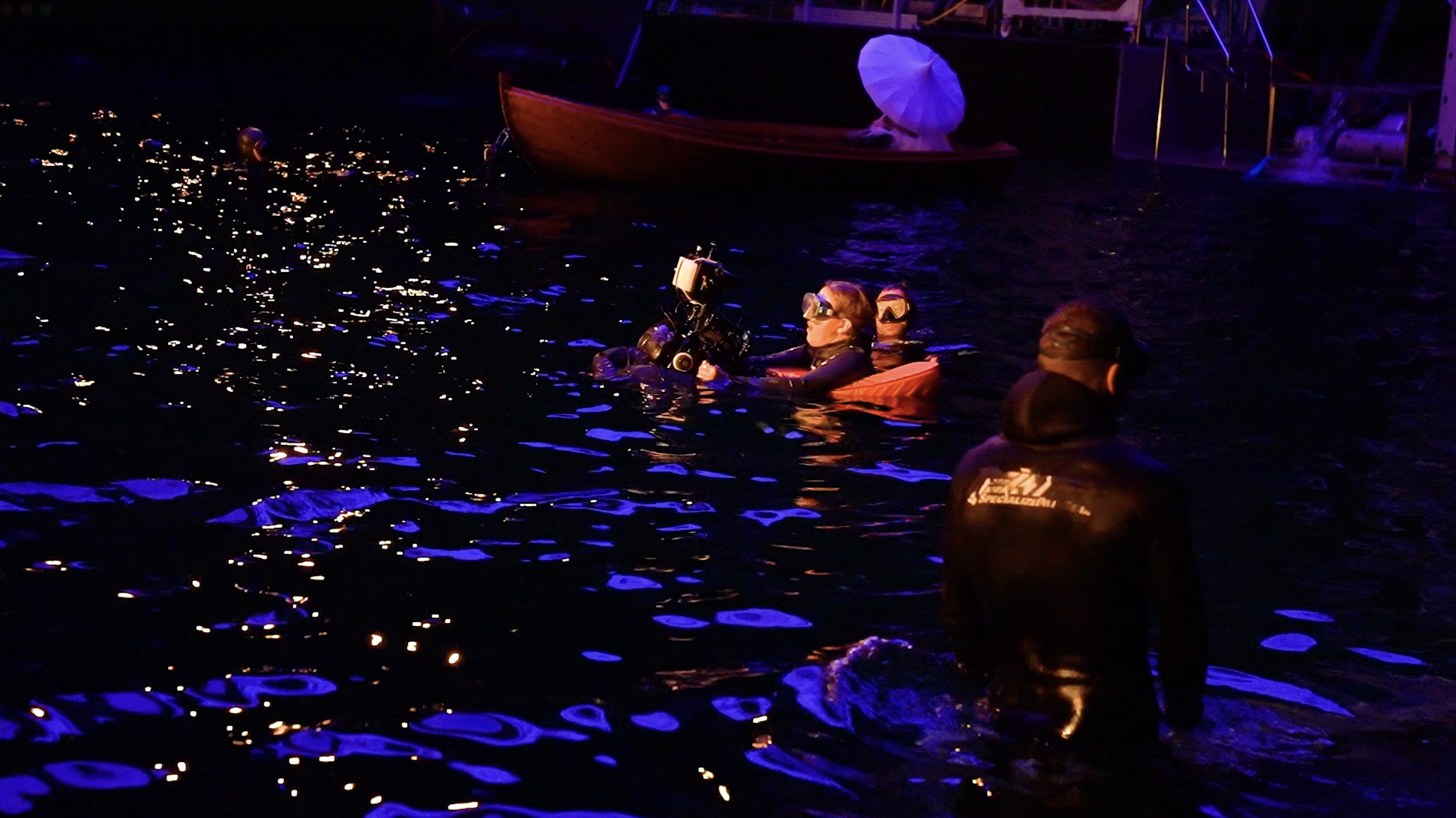
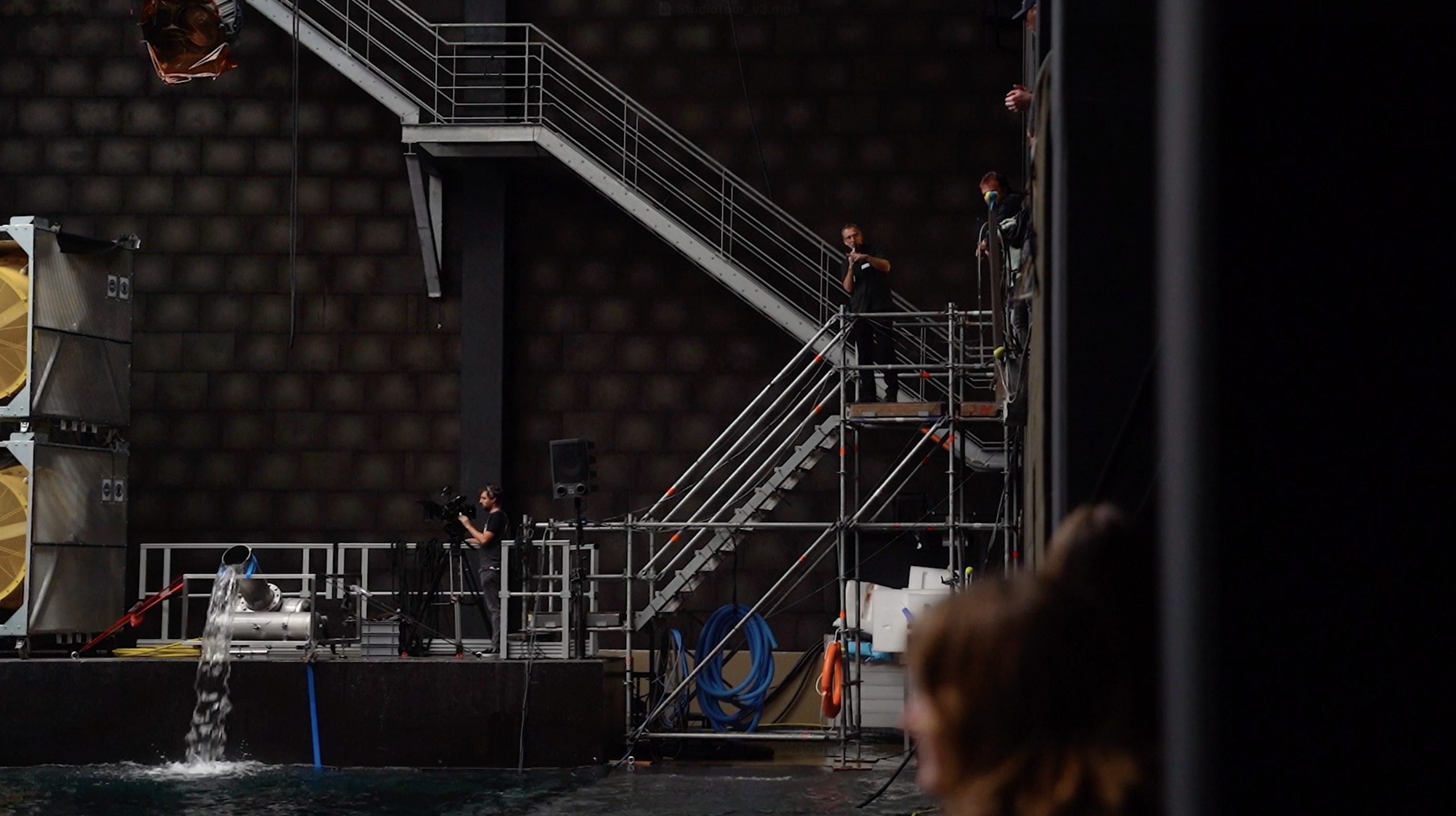
Here, gear isn’t just on shelves—it’s staged around a 10-meter deep water tank, with cameras and rigs built to film under and above the surface. The equipment room surrounds this space, supporting the photographic, lighting, and safety gear like a high-tech submarine lab.
The Management Secret: In this case, inventory isn’t just about quantity, it’s about specification and condition. You must know not just which camera you have, but which model, whether it’s certified for underwater use, whether its rigging is safe. The management system must track gear specs, maintenance logs, certification status, and assignment to particular sets and dives.
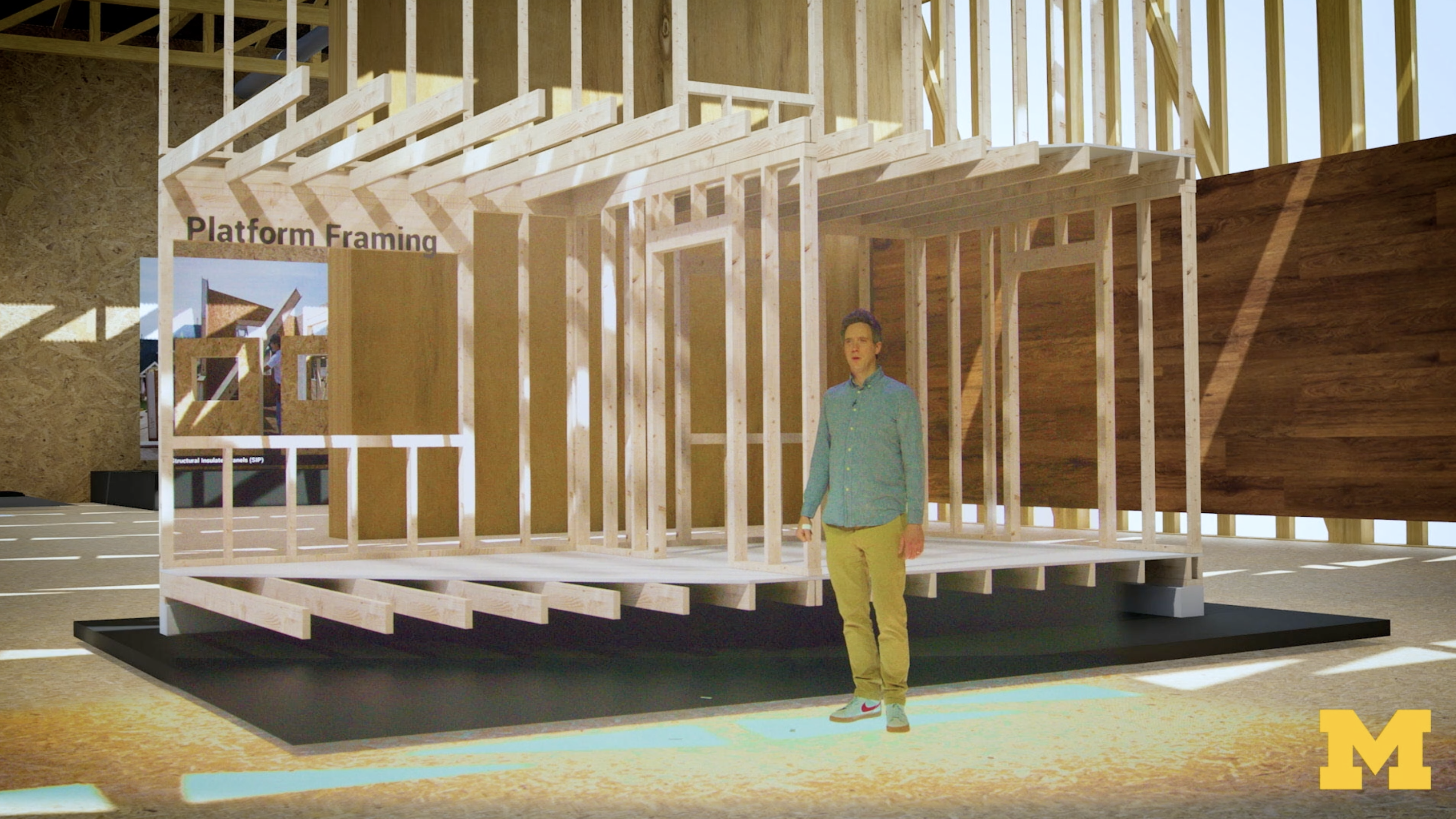
3. University of Michigan’s Center for Academic Innovation: The Future of Learning Is Immersive
Some ideas are just too big for a traditional classroom.
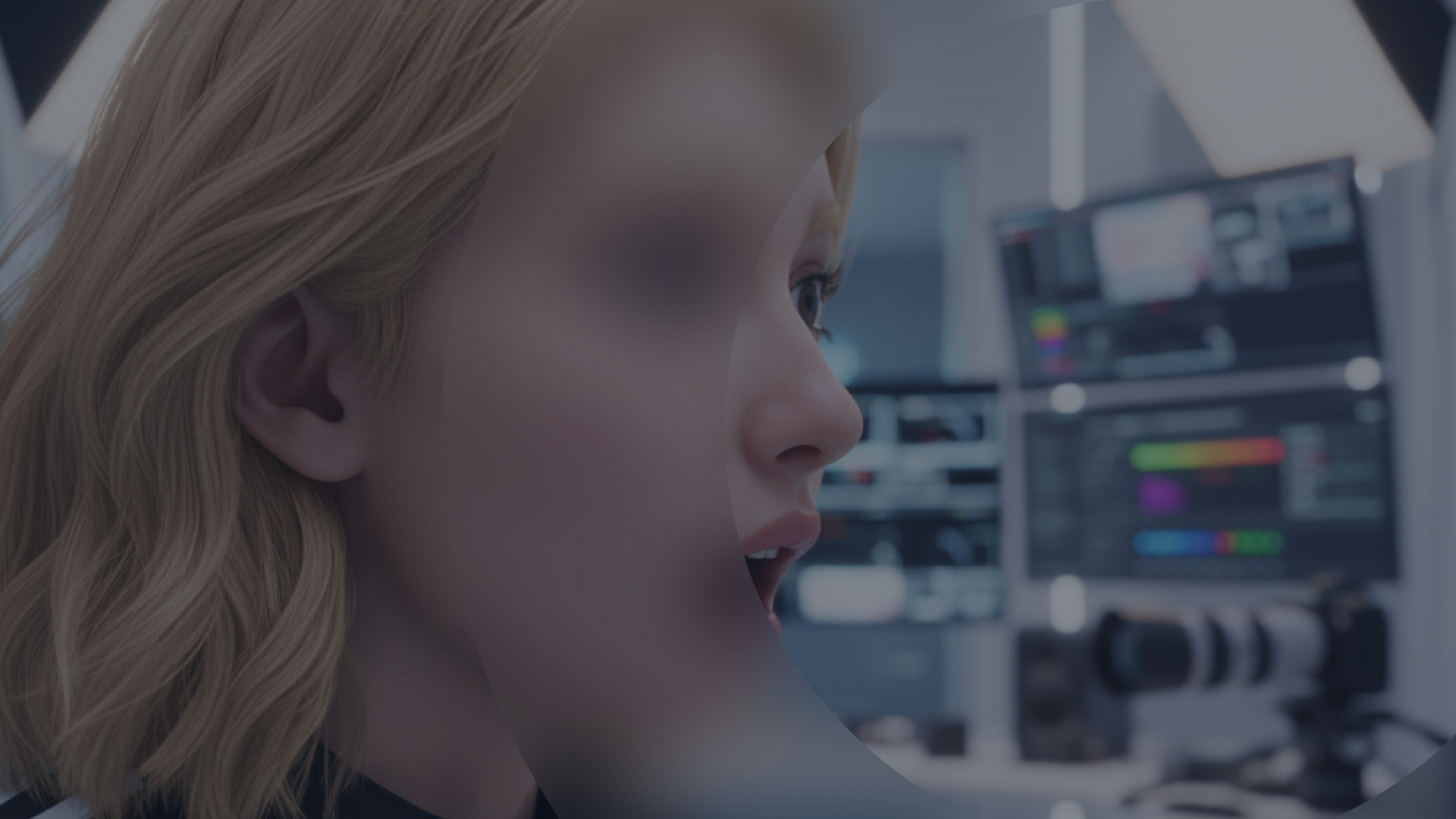
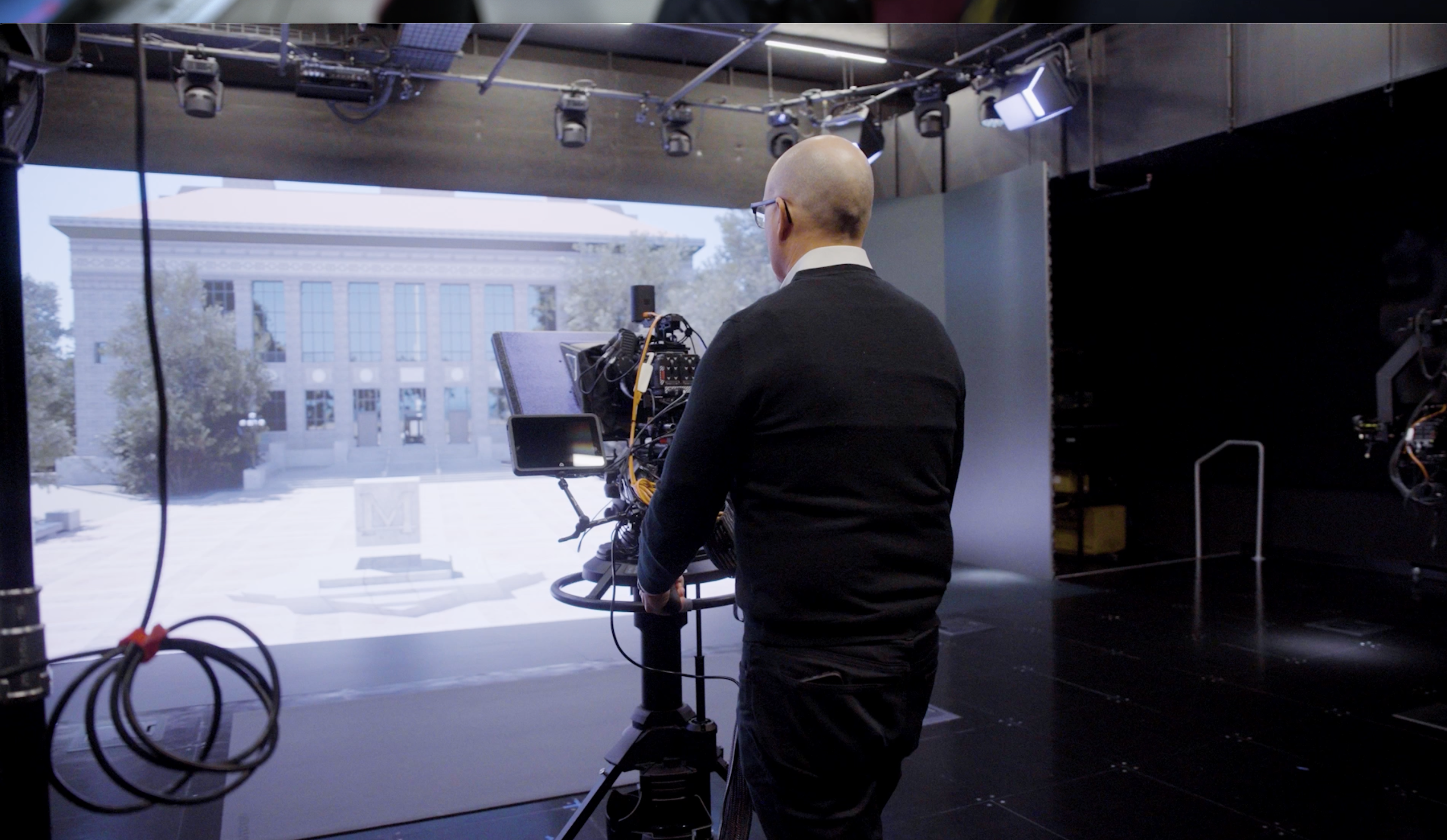
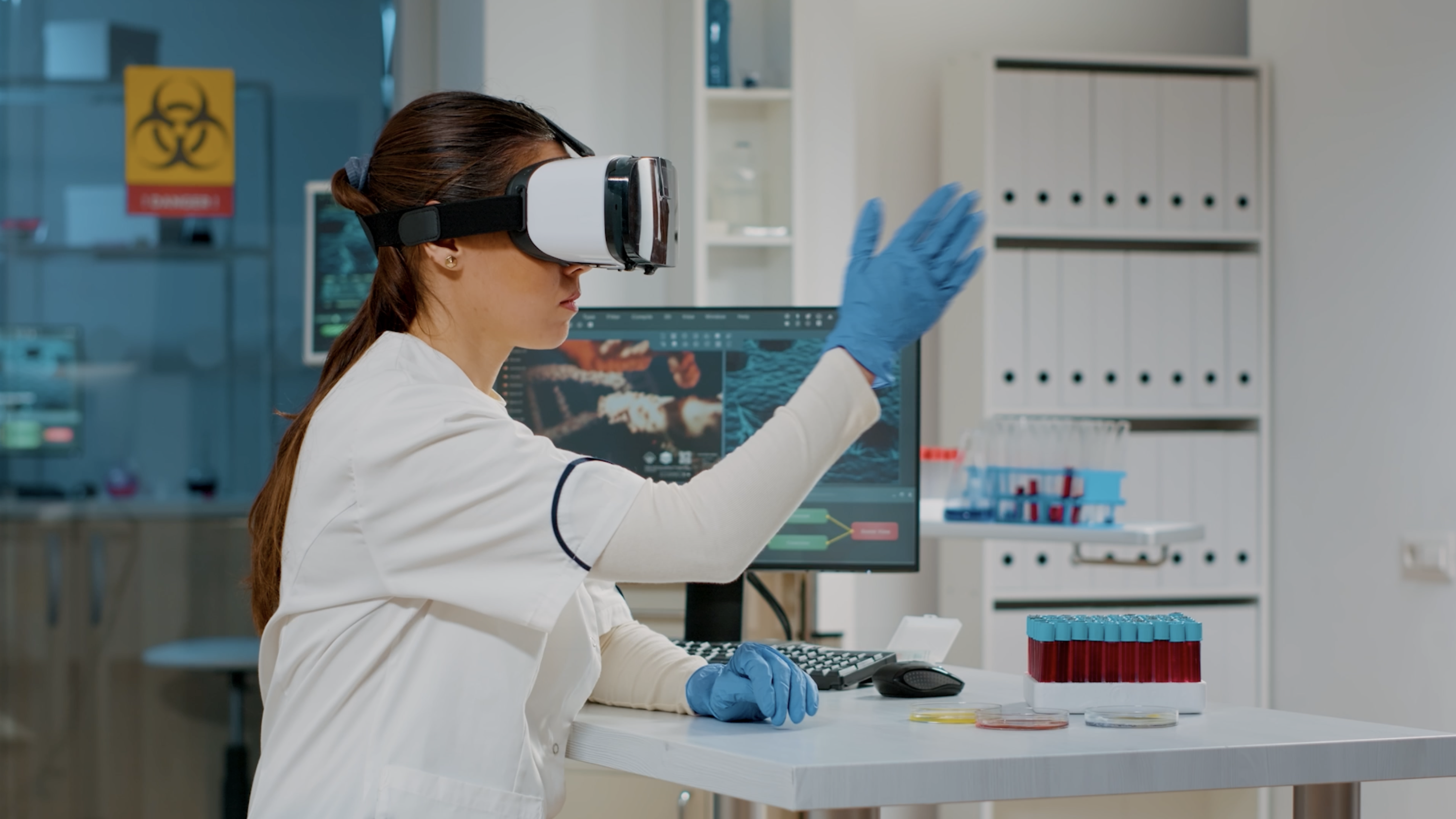
In this behind-the-scenes look at the University of Michigan’sCenter for Academic Innovation, we step inside the world of extended and virtual reality (XR/VR) and see how educators and virtual producers are redefining what’s possible in higher education.
From virtual anatomy labs to fully interactive clinical simulations, Michigan’s team is using the same advanced production technologies you’d find on a Hollywood set like the Mandalorian—massive LED walls, real-time rendering engines, and mixed-reality headsets—to create learning experiences that feel real, safe, and endlessly repeatable.
Why it’s cool: The diversity of applications is staggering. In the School of Nursing, students practice critical procedures using mixed-reality headsets that overlay virtual guidance onto physical mannequins. In the XR Studio, instructors record immersive lectures against dynamic virtual environments—no green screens required. It’s where Hollywood meets higher ed.
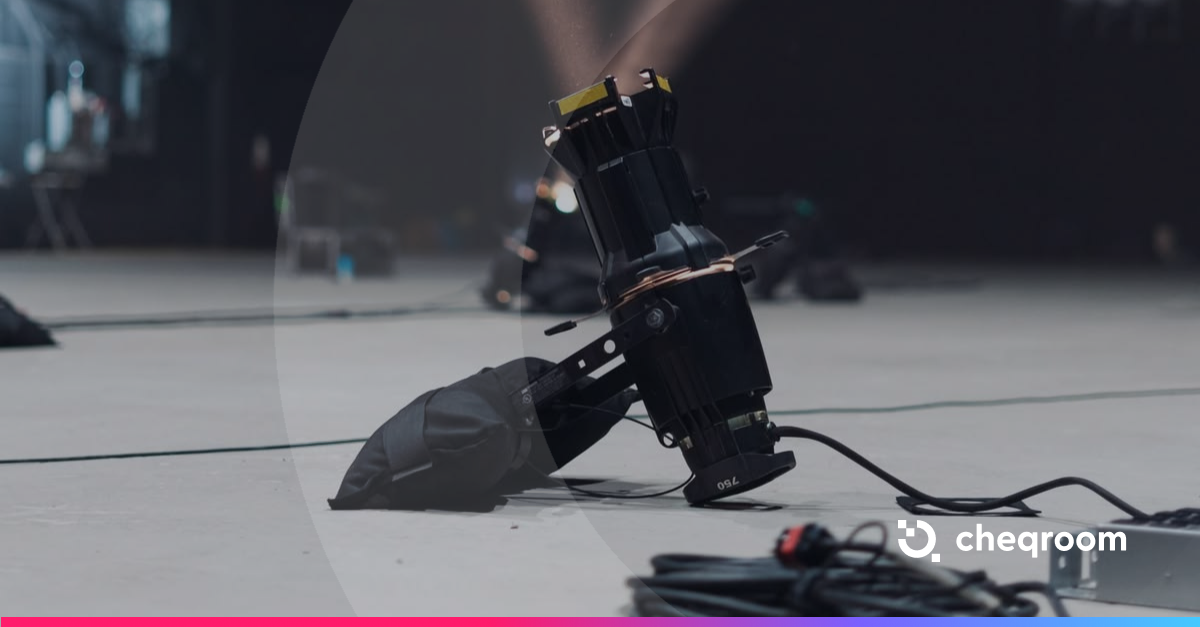
The Management Secret: XR and virtual production require serious coordination. Each headset, LED panel, camera tracker, and render node must be cataloged, tracked, and maintained just like broadcast-grade gear. Michigan’s approach ensures that every piece of equipment—from simulation tools to studio lights—is available, up-to-date, and ready when faculty or students need it. That precision allows the creative and academic teams to focus on innovation, not logistics.
So, what’s the secret to managing all this gear?
You probably noticed the pattern.
None of these world-class facilities run on paper logs or confusing spreadsheets. They can’t.
The one thing all these "cool" spaces have in common is that they built their operations on a smart, centralized equipment management platform.
They knew that to stay creative, they had to eliminate the chaos. They had to make sure their teams (whether students or broadcast pros) could get the gear they needed without friction.
When your gear is organized, your team is empowered. And when your team is empowered, they can stop hunting for equipment and start creating amazing work.
Want More Gear Envy?
Loved these tours? These three are just the start. If you want to see more behind-the-scenes magic from amazing studios, universities, and production houses, check out our video page.
Ready to Organize Your Own Studio?
Inspired by these incredible gear rooms? Take the first step toward mastering your studio's workflow and keeping your equipment organized. Learn from the ultimate guide, or see Cheqroom in action for yourself.
As Cheqroom’s Content & Social Media Lead, Roy is the creative spark behind the brand’s online presence—turning stories, trends and insights into scroll-stopping moments across LinkedIn, Instagram and beyond.
From concept to camera to caption, Roy brings Cheqroom’s voice to life through videos, blogs and multi-format content that inform, entertain and grow a passionate community of equipment pros.
Equipment management is the process of tracking, maintaining, and organizing a company's physical assets (like cameras, tools, or IT gear). The goal is to ensure availability, prevent loss, improve accountability, and maximize the use of your gear.
Why is equipment management so important for universities?
Universities use it to give thousands of students fair and easy access to high-value equipment. Good asset tracking ensures accountability, prevents double-bookings, and automates checkouts so students can complete their projects and staff can avoid administrative chaos.
How does software help with gear checkout?
Software replaces manual spreadsheets and paper logs. It lets users reserve gear online from their phone or laptop. Then, managers can use barcode scanners (or the mobile app) for fast, error-free checkouts and returns. It provides a single, real-time view of all inventory management.