Manage High-Value Gear Across Multiple Locations
Managing high-value equipment is no longer as simple as locking it in a storage room and hoping for the best.
As organizations grow, teams become more distributed, and operations span multiple sites or regions, asset tracking gets increasingly complex, putting productivity and operational efficiency at risk.
Without the right asset management systems in place, that complexity introduces real risk. Equipment gets misplaced or returned late, double bookings disrupt schedules, and downtime creeps in when critical gear isn’t available when it’s needed. Add limited visibility, unclear accountability, and inconsistent enforcement of equipment usage policy, and costs quickly stack up. Often, teams don't realize where the losses are coming from.
That’s why buying an equipment checkout platform is no longer just an operational upgrade; it’s a strategic business decision. Powered by modern technology, the right platform brings structure, visibility, and control to equipment usage across your entire organization, helping you protect valuable assets while keeping teams productive and projects moving forward.
The Challenges of Managing High-Value Equipment Across Locations
- Limited visibility: When equipment is spread across warehouses, offices, and job sites, maintaining clear visibility becomes a major challenge. Teams don’t know where gear is located, who’s using it, or whether it’s available. This lack of accessibility leads to unnecessary delays, duplicate purchases, or last-minute scrambling when equipment can’t be found.
- Inconsistent checkout policies: One team may follow a strict sign-out process, while another relies on informal handoffs or shared spreadsheets. Without standardized workflows, accountability breaks down, and it becomes difficult to enforce rules or track responsibility across locations.
- Manual processes: Spreadsheets, paper logs, and email approvals don’t scale, so they struggle to keep up as organizations grow, especially when multiple teams are accessing the same equipment. Updates are slow, errors are common, and critical information quickly becomes outdated.
- Lack of real-time data: Without accurate, up-to-date data on equipment usage, availability, and condition, organizations can’t proactively plan, optimize utilization, or identify risks before they turn into costly problems.
Key Features To Look for When Buying an Equipment Checkout Platform
For equipment checkout software, look beyond basic tracking and focus on features that support control, accountability, and scale—especially when managing high-value gear across multiple locations. The right platform should simplify daily operations while giving leadership the visibility they need to make informed decisions.
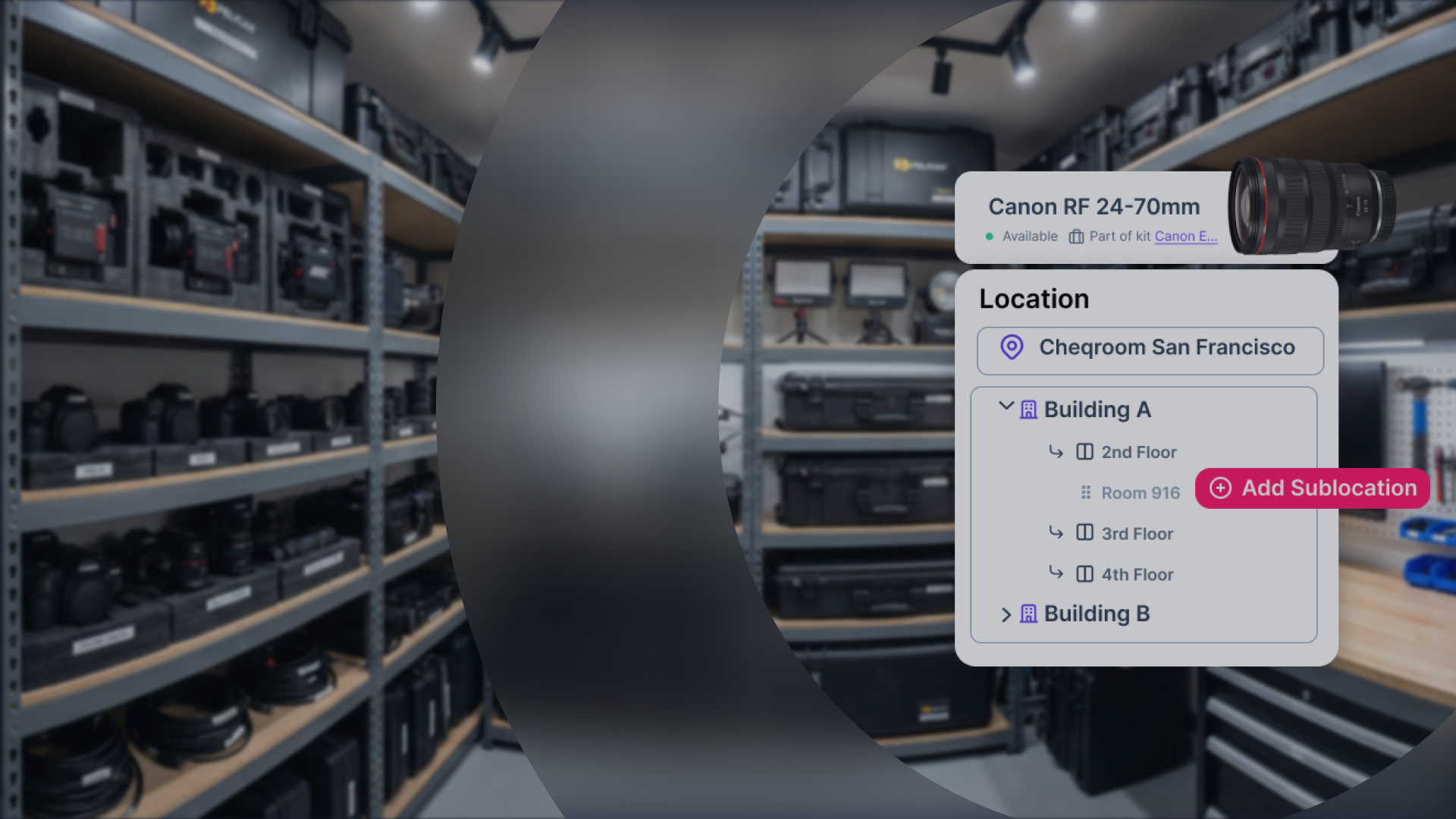
- Real-time availability and location tracking are foundational. You should always know where equipment is, who’s using it, and whether it’s available—without chasing updates or relying on outdated records.
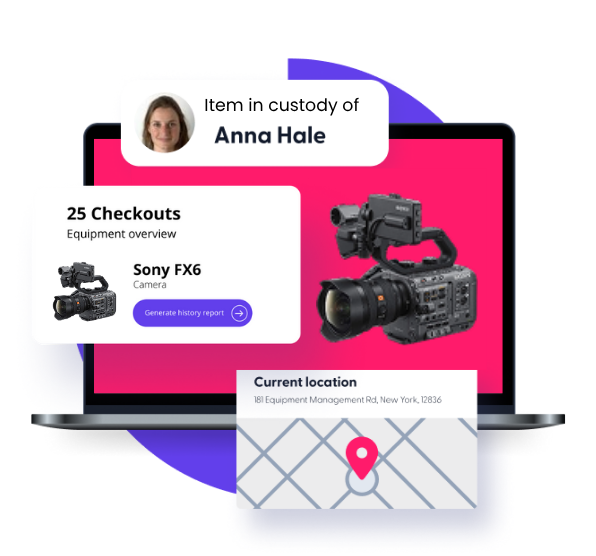
- Role-based access and approval workflows help enforce consistent policies across teams and locations. By controlling who can reserve, check out, or approve equipment, organizations reduce unauthorized use and maintain accountability at scale.
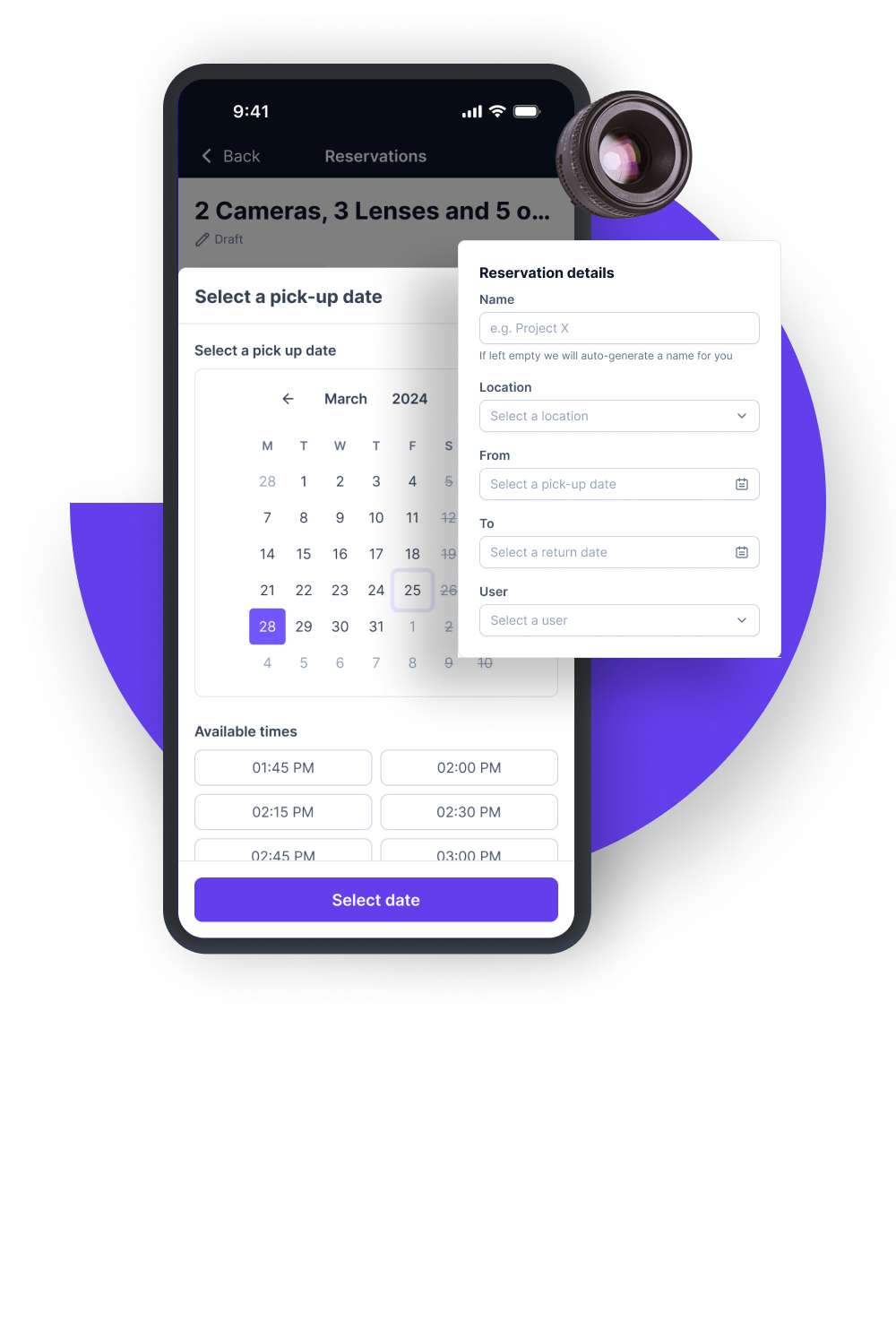
- Mobile check-in and check-out capabilities are essential for field teams and distributed workforces. A mobile-friendly experience ensures equipment updates happen in real time, whether employees are on a job site, in a warehouse, or on the move.
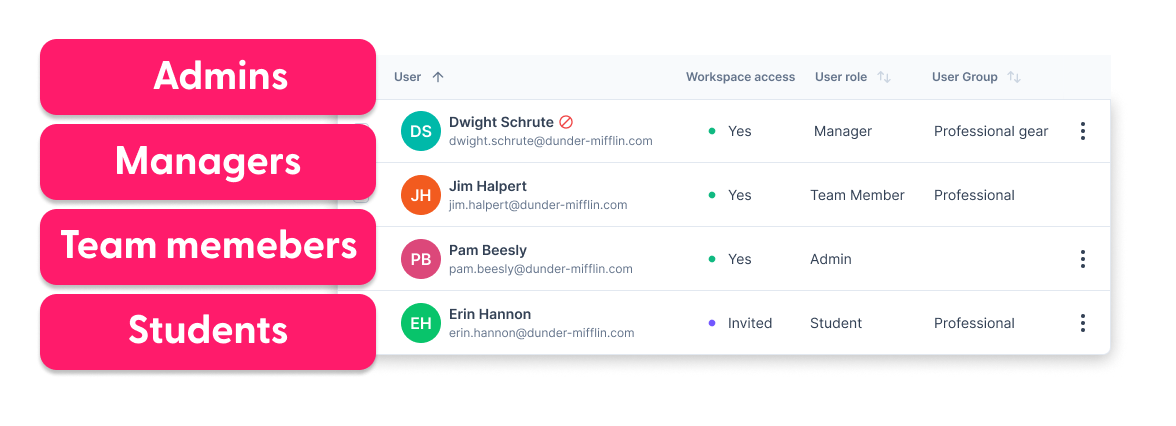
- Audit trails and chain-of-custody records provide a clear history of every equipment interaction. This not only reduces loss and misuse but also supports compliance, internal audits, and investigations when issues arise.

- Reporting and analytics turn raw data into actionable insight. By analyzing usage patterns, loss rates, and utilization trends, organizations can optimize inventory levels, plan purchases more strategically, and maximize the value of their high-value equipment.

Common Mistakes To Avoid When Choosing a Platform
- Underestimating the importance of mobile usability. For distributed teams, field crews, or employees working across multiple sites, equipment checkouts need to happen on the go. Platforms that aren’t mobile-friendly often lead to delayed updates, workarounds, or skipped processes, undermining accountability.
- Ignoring scalability is another costly misstep. A platform that works for a small team may not support additional locations, asset categories, or users as the organization grows. Choosing a solution without considering future needs can lead to an expensive migration later.
- Underestimating onboarding and adoption requirements. Even the most powerful platform won’t deliver value if teams don’t know how to use it. Clear onboarding, intuitive workflows, and ongoing support are essential to ensure consistent usage and long-term success.
Scaling Across Teams and Locations with Enterprise Equipment Checkout
As organizations grow, the limitations of small-team tools become impossible to ignore. Enterprise equipment checkout solutions are built to handle complexity at scale—supporting large inventories, multiple locations, and diverse teams without breaking down. Unlike lightweight tools designed for a single department, enterprise-grade platforms provide the structure, flexibility, and governance needed to manage high-value equipment across an entire organization.
A true enterprise solution supports multiple locations, departments, and asset categories from a single system. Whether equipment is shared between offices, warehouses, job sites, or regions, teams get consistent processes and real-time visibility—without relying on disconnected systems or local workarounds.
Integrations are another key differentiator. Enterprise equipment checkout platforms connect with ERP, IT, and operations tools to keep asset data aligned across systems. This reduces duplicate data entry, improves reporting accuracy, and ensures equipment information flows seamlessly between teams.
Finally, security and compliance are non-negotiable at the enterprise level. Advanced permissions, role-based access, audit logs, and compliance controls help protect high-value assets while meeting internal policies and regulatory requirements. With the right enterprise platform, organizations can scale confidently—without losing control of their equipment.
Final Thoughts: Choosing the Right Platform for Long-Term Control
Managing high-value equipment across locations requires more than basic tracking—it requires visibility, accountability, and the ability to scale. Buying an equipment checkout platform helps reduce risk, protect assets, and keep operations running smoothly as your organization grows.
If you’re evaluating enterprise-ready solutions, choose a platform that supports multiple teams, locations, and workflows.

Ready?
Explore how Cheqroom gives you long-term control over your equipment

Maria Alejandra Benitez Chief of Staff at Cheqroom | Equipment Management Expert! Maria is the strategic mind shaping Cheqroom’s big-picture moves. As Chief of Staff, she turns industry insights into go-to-market gold—bridging customer needs, product vision, and smart execution.
With a deep pulse on equipment-heavy industries and a sharp eye for market trends, she helps Cheqroom stay three steps ahead. Whether it’s unlocking new verticals or fine-tuning product-market fit, Maria’s the one connecting the dots (and making it look easy).
She’s all about bold strategy, smart growth, and making gear management way cooler than it sounds.
More blog articles