The Ultimate Guide to Remote Equipment Management Tools
Why is Remote Equipment Management Suddenly So Hard?
Let’s be honest: equipment management was already a challenge, even when everyone was five desks away. But in the age of hybrid and remote work? It’s gone next level.
The "new normal" means company assets—laptops, video kits, testing gear—are scattered across home offices and temporary locations globally. Your job, as the Equipment Manager or Ops Director, has shifted. You're no longer just managing a storeroom; you're coordinating logistics for a decentralized fleet of high-value gear.
The old process of keeping tabs on things just doesn't work when employees are holding equipment for longer, unspecified periods. We get it. That's why the best-in-class solutions for remote equipment management have moved firmly into the cloud. It’s no longer optional—it’s the only way to adapt and thrive.
How Do I Track Company Assets When They’re Everywhere?
This is the core problem of managing a remote workforce. You need to know exactly who has what, and for how long. The key here is moving beyond the simple "check-out with a due date" model to something more flexible: Custody.
A robust remote equipment management system lets you track asset ownership no matter the duration. Think of it like this: your employee signs for custody of their laptop for the duration of their remote tenure—not just two weeks.
A cloud-based solution helps your distributed team:
Maintain Accountability: Workers can digitally e-sign a check-out form, accepting full responsibility for the item.
See the Big Picture (Real-Time): Equipment managers get an immediate, clear snapshot of which gear (from monitors to microphones) is off-site, in transit, or due for maintenance.
Slash Losses: Customers who master their asset tracking workflows see asset loss reduced by as much as 45%.
If you're not tracking custody, you're playing a high-stakes guessing game.
Can a Tool Really Help Me Manage the Equipment Room Rush?
Yes! Even with a remote or hybrid team, people still need to pick up and drop off gear sometimes. That rush hour at the equipment room or IT cage can be a nightmare of bottlenecks and close contact (remember social distancing? Brrr 🥶).
The reality is that your physical storage space needs to be managed just as intelligently as your remote assets. The right remote equipment management platform can help you optimize this vital physical hub, even if it's used less often.
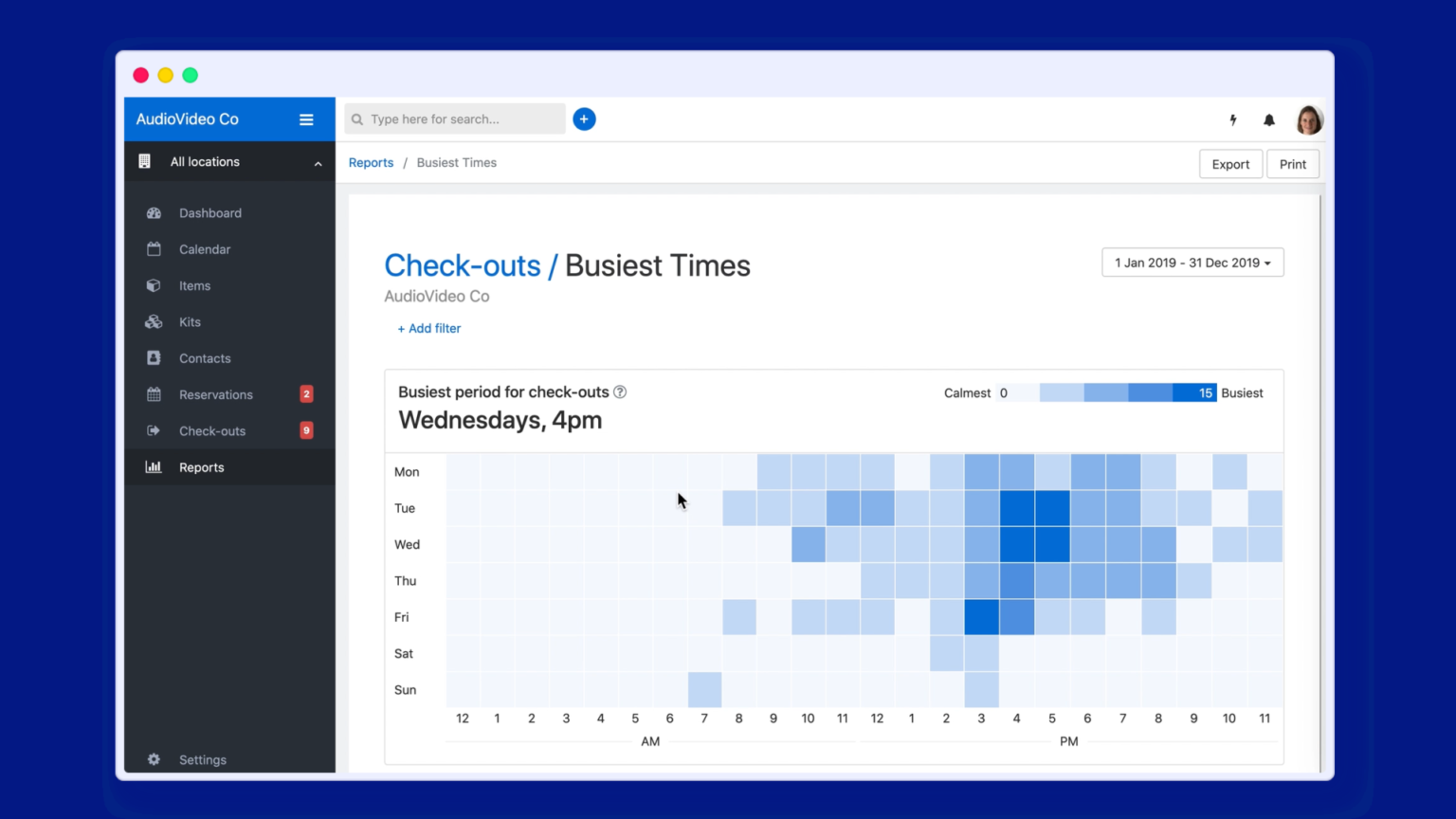
A modern tool should give you operational visibility, like a Busiest Times Report. This report is critical, telling you:
When peak activity times are for pickups and drop-offs.
When you need to staff up the gear room to prevent lines.
When you need to adjust appointment schedules to evenly distribute traffic.
By making the in-office process smarter and less chaotic, you save your Operations team time and keep everything moving smoothly.
Cloud vs. Spreadsheets: What's the Best Solution for Team Collaboration?
Let’s talk turkey. Your home office shouldn't feel like an island, and neither should your Operations team. People need to collaborate smoothly on projects, and that requires shared, accurate data.
Here's the harsh truth about using spreadsheets for remote equipment management:
❌ Spreadsheets Aren't Real-Time: They’re built for one person, not a decentralized team. When someone updates a cell, the information is often instantly outdated for everyone else. ❌ They're Error Magnets: Too much manual entry means too many mistakes. Typos lead to lost assets or missed maintenance. ❌ Zero Automation: Spreadsheets don't remind users of check-in dates, manage maintenance schedules, or automatically update asset status. It's all manual grunt work.
A specialized, cloud-based equipment management solution is designed for collaboration. It gives both the "Coaches" (managers) and the "Players" (users) the features they need to work spotlessly, even miles apart.
Your Gear Is Mobile, Your Management Should Be Too
Your time is valuable. In fact, our expert users report saving up to 80 hours per month per employee by automating repetitive tasks with the right asset tracking system.
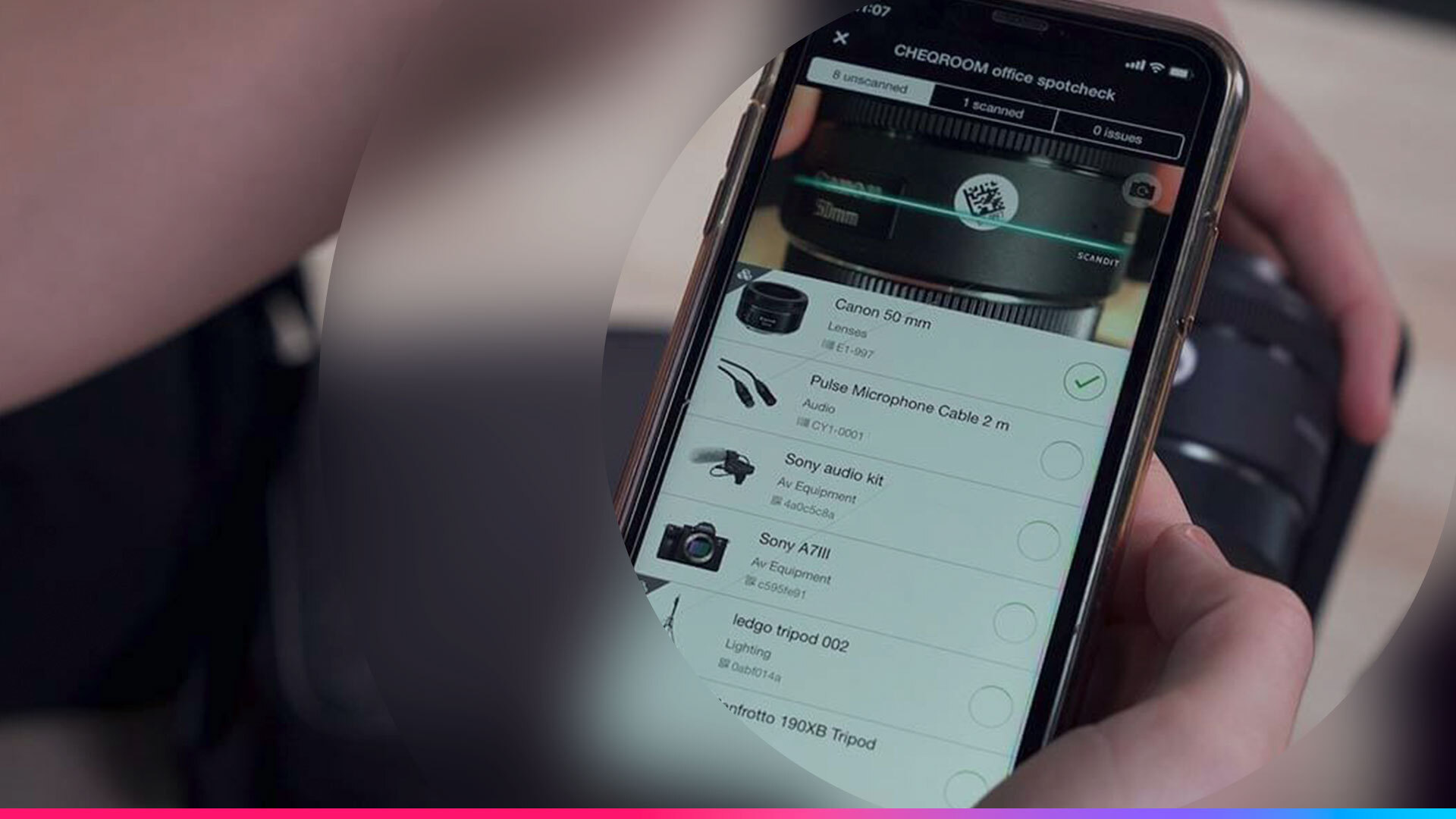
Remote equipment management isn't about more administration; it’s about better strategy. You need a platform built for asset visibility on the go, whether that asset is on a desk in Berlin or a movie set in L.A. By choosing a cloud solution that supports mobile check-outs, digital signatures for custody, and seamless scheduling, you unlock massive efficiency and stop valuable equipment from disappearing.
It’s time to trade the headaches of version control and manual checks for the confidence of real-time visibility.
Stop Guessing. Start Tracking.
Tired of chasing down laptops and scrambling for gear? See how Cheqroom gives you real-time visibility and control over all your high-value assets, no matter where your team is working from. Get started in minutes.
Meet Hana Belbecir, our dynamic content marketer. She infuses creativity and strategic vision into the core of our brand. Hana, passionate about storytelling and has a keen eye for market trends, is devoted to creating a unified brand identity for Cheqroom. Her favorite part? Working & brainstorming with different creatives.
What specifically makes a tool ideal for remote equipment management?
An ideal tool must be cloud-based and offer mobile functionality. Key features include custody tracking (for long-term asset assignments), electronic signatures, and a way to manage physical drop-off/pickup logistics through scheduling or reporting (like a Busiest Times Report).
What's the main risk of not using a dedicated remote equipment management tool?
The biggest risk is asset loss and project delays. Without central, real-time visibility across all decentralized teams, your most valuable gear is vulnerable. Dedicated platforms help reduce asset loss by up to 45% and minimize production delays by over 25% by ensuring the right equipment is always ready and accounted for.
What’s the difference between "check-out" and "custody" in remote equipment management?
A check-out is typically a short-term loan with a specific due date (like booking a projector for a day). Custody is a long-term assignment where an employee is responsible for an asset (like their work laptop or cell phone) for an indefinite period. A good remote equipment management tool must handle both seamlessly.