What Is Equipment Management?
A Beginner’s Guide for Operations Teams
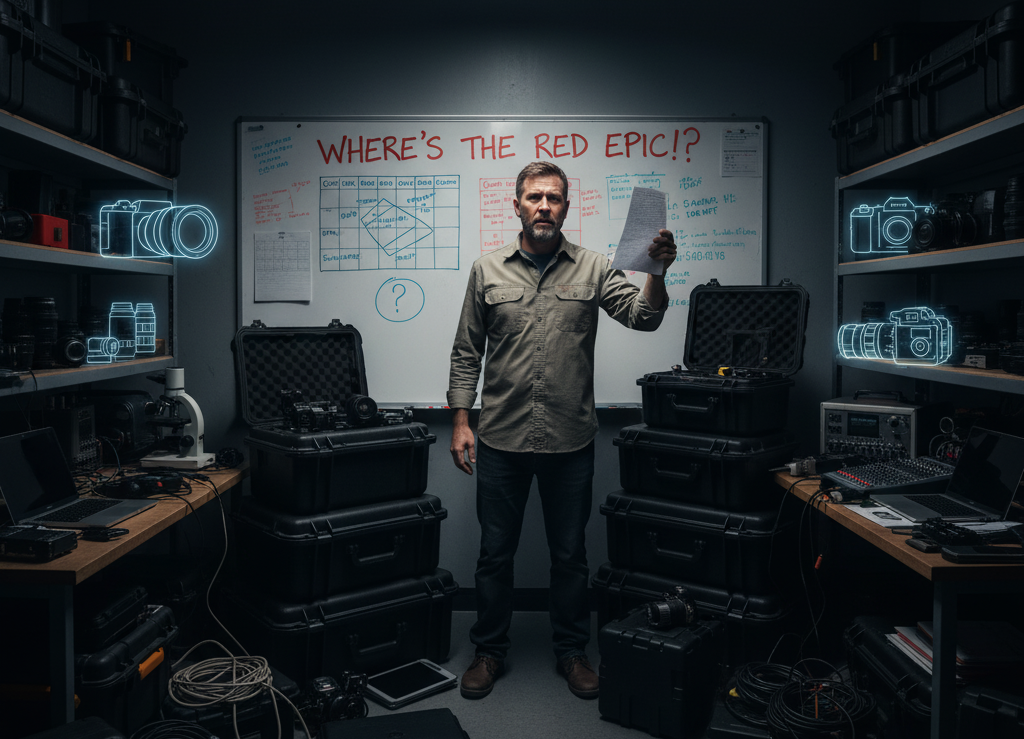
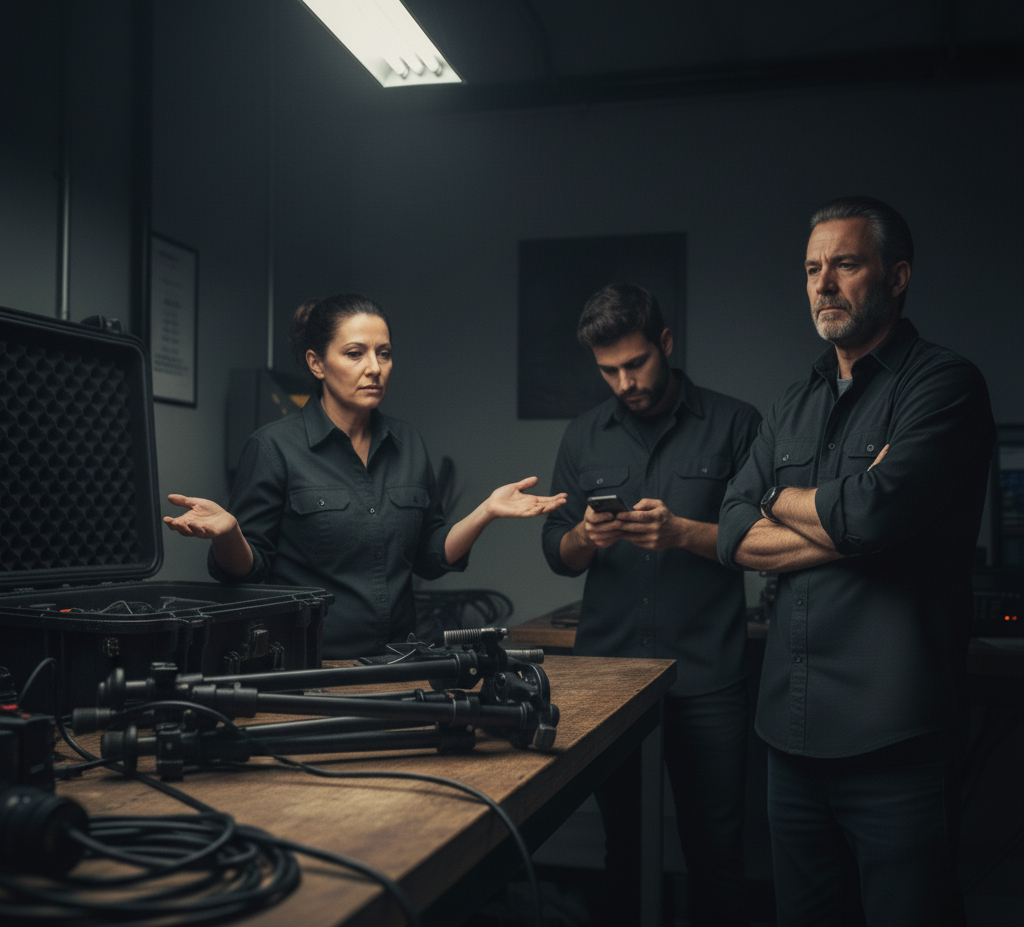
If you’re in charge of keeping your organization’s gear in check, whether that’s cameras for a film crew, AV equipment for a live event, or scientific instruments for a university lab, you already know one truth: equipment doesn’t manage itself. It wanders off, breaks down, gets double-booked, and mysteriously vanishes right before an important job.
That familiar knot in your stomach when a crucial piece of gear goes missing just before a big project? The sigh of frustration when you realize two different teams have double-booked the same camera kit? You're not alone. This is the daily reality for countless organizations, from university media departments to global broadcast networks.
This is exactly why equipment management exists.
In this guide, we’ll break down what equipment management actually means, why operations teams need it, and how you can set up systems that save time, money, and sanity. Think of this as the crash course you wish someone handed you on Day One of running gear operations. I've been a strategic advisor to thousands of teams in media production, broadcasting, higher education, and entertainment, and I've seen firsthand how a purpose-built approach can turn operational chaos into a competitive advantage.
What Is Equipment Management? More Than Just a Spreadsheet
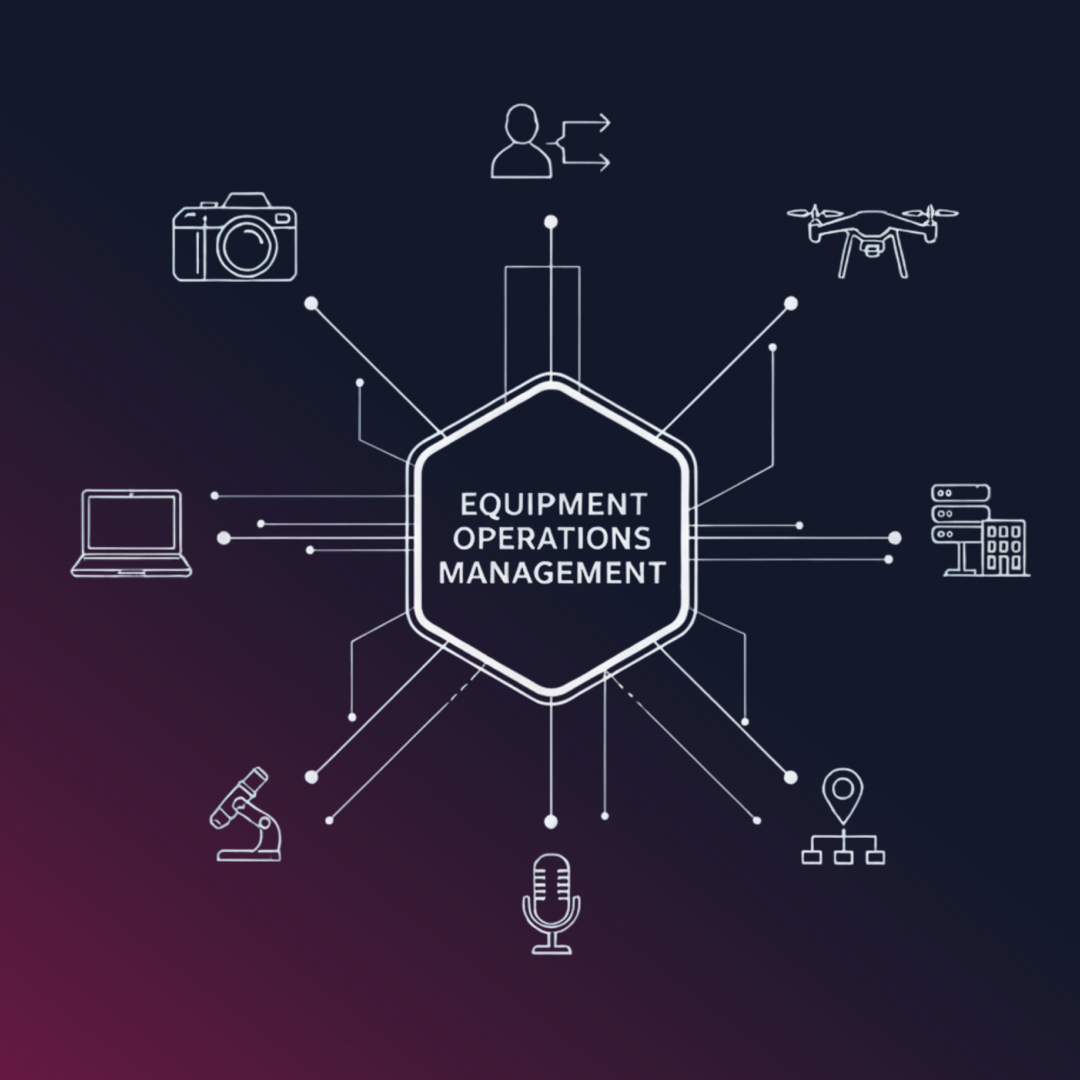
At its core, equipment management is the practice of tracking and controlling an organization's physical assets throughout their entire lifecycle. Think of it as the central nervous system for all your valuable gear, from laptops and lenses to industrial machinery and audio mixers. It's about knowing exactly what you have, where it is, who is using it, and what condition it’s in.
But don’t confuse this with generic asset tracking. What we're really talking about is a more specialized, purpose-built approach to managing people, places, and physical assets across operational workflows. At Cheqroom, we call this Asset Operations.
An effective equipment management system has several key pillars:
- Equipment Lifecycle Visibility: From the moment an asset is acquired until it’s retired, you have a complete history of its condition, location, and usage.
- Scheduling, Sharing & Access Control: Teams can easily reserve and check out gear, while managers can set permissions to ensure the right people have access to the right equipment.
- Operational Efficiency: This includes everything from streamlined booking and check-out processes to automated reminders for repairs and calibration.
- People, Process & Place Management: It’s not just about the gear; it's about the people using it and the places where it's stored and deployed.
- Platform Extensibility & Integration: The system should be able to connect with your other essential software, like project management or ticketing platforms.
In short, equipment management isn't just about spreadsheets; it's about creating a living, breathing system that orchestrates your most valuable physical resources to keep your operations running smoothly.
add your link image)
Why You Can’t Afford to Ignore Equipment Management
You might be thinking, "My current system of spreadsheets and email chains works well enough." I've heard that a thousand times. And you know what? It works—until it doesn't. The moment you scale, or a critical project is on the line, that "system" crumbles.
Here’s what I’ve learned from talking to operations teams across media production, higher education, broadcasting, and live events: the pain points are universal.
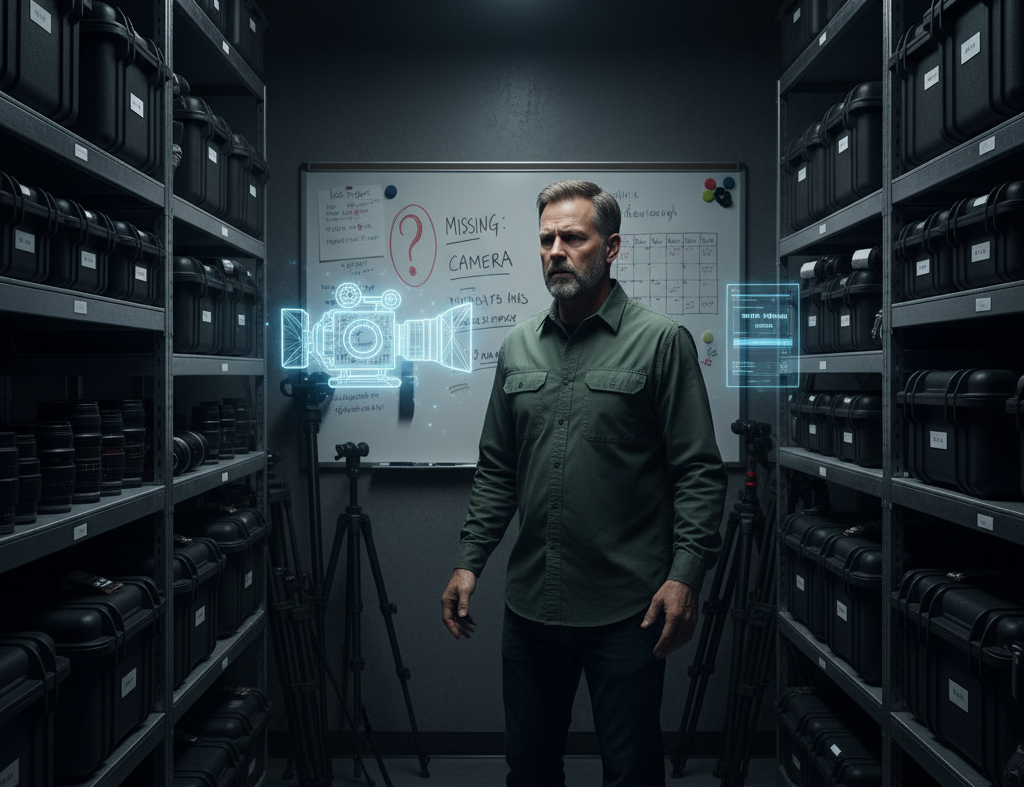
1. The "Ghost Gear" Problem: Lost and Misplaced Equipment
One of the most common headaches is lost or misplaced equipment. An organization's ideal customer will have a total asset inventory value of over $50,000 , so every missing item represents a significant financial loss. I've heard countless stories of staff spending hours searching for gear that’s in a different building, a different truck, or simply walked off without a record. A robust system gives you real-time visibility and a clear chain of custody, so you always know who has what, and where it is.
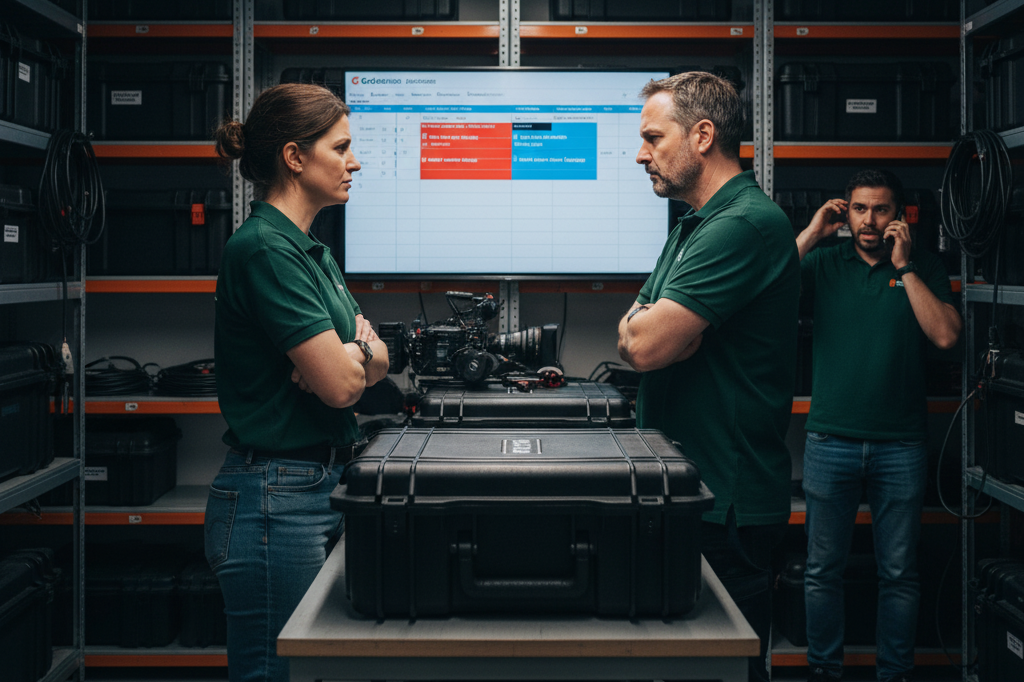
2. The Double-Booking Nightmare: Scheduling Conflicts
Nothing derails a project faster than a scheduling conflict. Without a centralized system, teams rely on verbal agreements or outdated calendars, leading to frustrating double-bookings and last-minute scrambles to find a replacement. For a production company, this could mean a delayed shoot, and for a university, it could mean a student can’t finish their project. A smart reservation system eliminates this chaos by allowing teams to book gear ahead of time, ensuring it's available when they need it most.
3. The Time Sink: Wasted Hours on Manual Processes
Manually tracking inventory, updating spreadsheets, and chasing down equipment takes a significant amount of time. I've spoken to equipment managers who spend hours each week just trying to keep up with their gear using spreadsheets. This isn't just inefficient; it's a huge operational cost. The right software can automate these tedious tasks, freeing up your team to focus on strategic work.

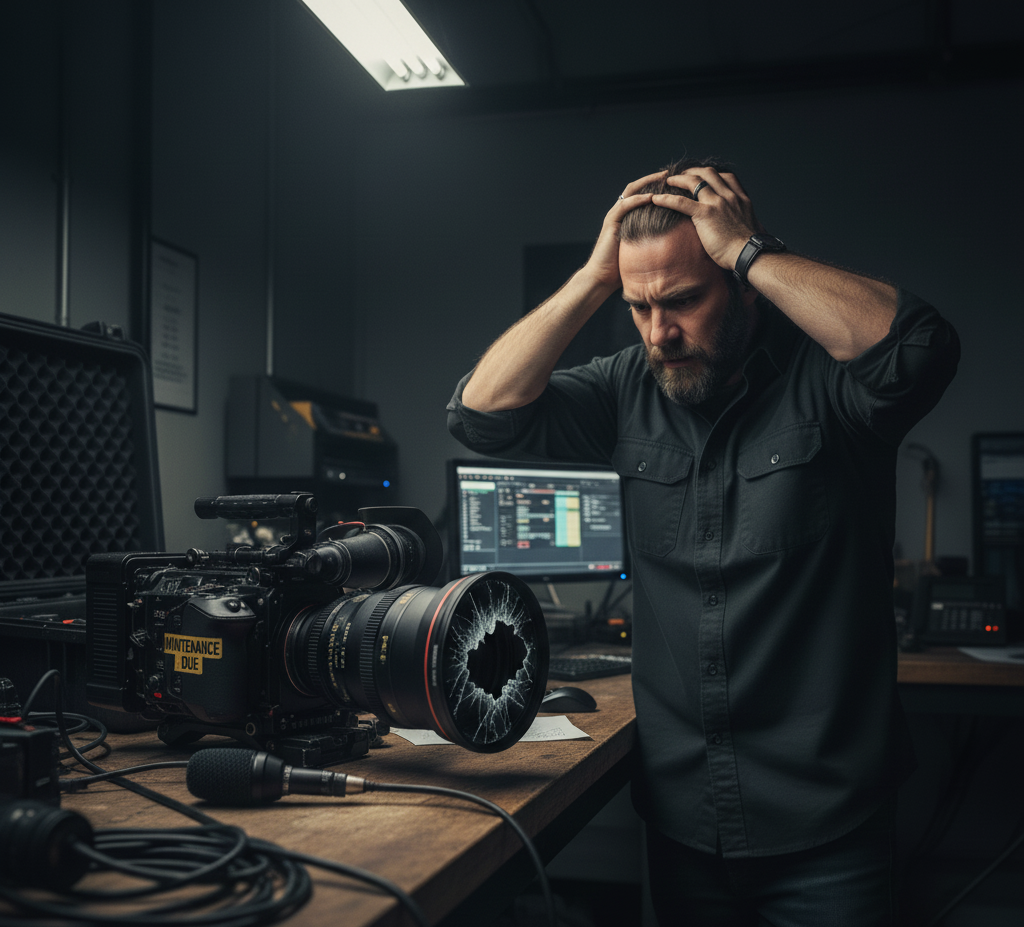
4. The Maintenance Blindspot: Unexpected Downtime
Imagine a critical piece of gear breaking down mid-shoot because its maintenance schedule was overlooked. Or an expensive camera failing on a live broadcast because its warranty expired without anyone knowing. Many teams don't have a system to track asset performance and maintenance needs. A proper equipment management platform tracks maintenance and repairs, sends automated reminders, and gives you a full history of service to ensure your gear is always in optimal condition.
5. The Accountability Gap: Who's Responsible?
When equipment goes missing or is returned damaged, it's often difficult to figure out who was the last person to use it. A lack of a clear audit trail can lead to an environment where people are less careful with shared resources. A solid system creates a clear chain of custody, ensuring that someone is always responsible for the gear they've checked out.
Who Needs Equipment Management the Most?
While any organization with physical assets can benefit, I've identified several key industries that have a "complete fit" with a platform like Cheqroom. These are the organizations for whom equipment is not just a tool, but a core part of their mission.
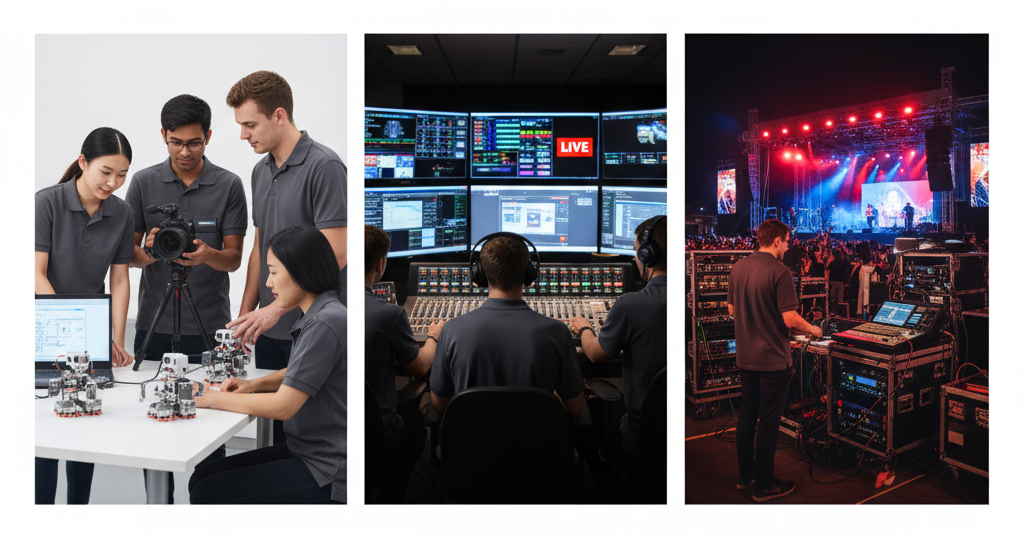
- Higher Education: Universities with media departments, engineering labs, or academic administration teams manage large collections of valuable equipment, often worth over $50,000. The biggest pain points here are ensuring fair and easy access for students and faculty across multiple campuses while maintaining control over the inventory.
- Media Production & Broadcasting: These organizations, including film studios, TV stations, and news networks, are the definition of asset-heavy. They deal with complex scheduling, frequent gear circulation, and high-stakes, time-sensitive events. Lost gear or a maintenance issue can bring a live broadcast to a halt, so real-time visibility is non-negotiable.
- Entertainment (Live Events & Sports): From professional sports leagues to touring bands, these teams manage complex logistical setups across multiple venues and events. They face high risks of damage or theft and need a system that can handle a decentralized workflow with real-time tracking across various locations.
Beyond the Basics: Advanced Capabilities of a Modern Platform
A great equipment management solution is more than just a list of features; it’s a platform that transforms the way you operate. When you're evaluating a system, look for capabilities that solve your unique challenges.
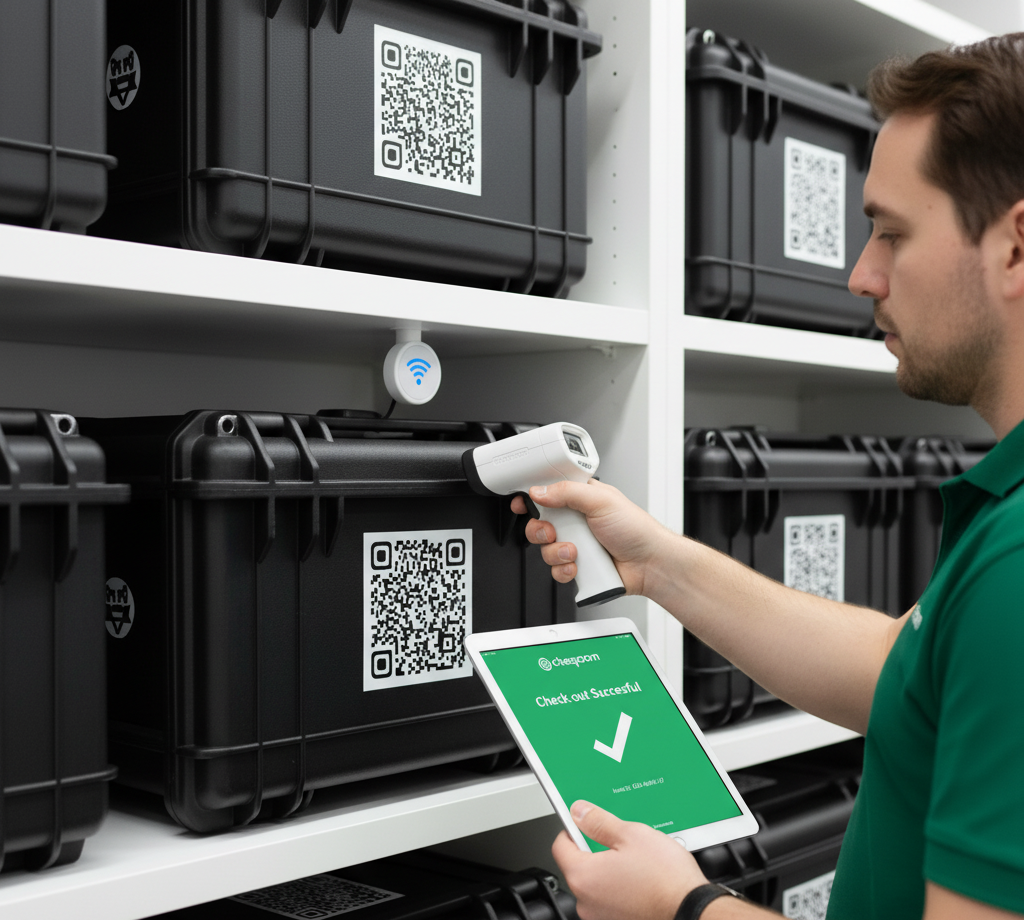
- Barcode/QR Code & RFID Tracking: This is the fastest, most reliable way to check gear in and out. No more manual data entry. Just a quick scan, and the system updates the asset's location and custody. This is especially critical for teams working in the field or across multiple locations.
- Kits and Bundles: For teams that frequently use the same combination of gear—like a camera kit with a lens, tripod, and audio recorder, a kit feature saves a massive amount of time. You can check out an entire package with a single action, streamlining the prep process.
- Custom Fields: Every organization is unique. The ability to add custom fields allows you to track specific information that matters to you, whether it's the serial number, warranty expiration date, or a link to the manufacturer's website.
- Robust Reporting & Analytics: You can't improve what you don't measure. A good platform provides reports on asset utilization, potential bottlenecks, and maintenance history. This data helps you make smarter decisions about future purchases and resource allocation.
- Mobile Functionality: For teams on the go, a mobile app is essential. It allows for quick check-outs, spot checks, and maintenance reporting right from the field. This is especially critical for broadcasters and live event teams that operate out of OB vans or temporary venues.
Ready to Get Started? The Path to Better Asset Operations
If you're still relying on manual processes like spreadsheets, you're not just losing time; you're losing money and creating unnecessary risk. A dedicated equipment management platform isn't just a luxury—it’s a necessity for any organization that depends on its physical assets to get work done.
To get started, consider your current pain points. Are you losing gear? Are you double-booking? Are you spending too much time on manual tracking? The answers will guide you toward the right solution.
The ideal solution provides a blend of centralized and decentralized workflows, accommodating both a central equipment desk and a self-service model. It should be flexible enough to handle a variety of use cases, from simple inventory tracking to complex, project-based sharing.
Don’t wait until the next big project to realize your current system is holding you back. The future of operations is about precision, visibility, and control. It's time to own your assets and win back your time.
Want to See What Modern Equipment Management Looks Like?

As Cheqroom’s Content & Social Media Lead, Roy is the creative spark behind the brand’s online presence—turning stories, trends and insights into scroll-stopping moments across LinkedIn, Instagram and beyond.
From concept to camera to caption, Roy brings Cheqroom’s voice to life through videos, blogs and multi-format content that inform, entertain and grow a passionate community of equipment pros.
More blog articles