How University A/V and Lab Coordinators Fix Accountability Gaps
TL;DR: Cheqroom's university equipment tracking software gives A/V and lab coordinators a single record of every checkout, return, and handoff — so gear stops disappearing between students, classes, and locations. It's the tracking layer of what Cheqroom calls its AssetOps platform, meaning the same record that tracks a camera also handles its booking, maintenance, and lifecycle, instead of tracking living in one tool and scheduling in another. Cheqroom organizations have reduced equipment loss by up to 45%, and 1,400+ organizations trust Cheqroom to run that record.
"We keep losing gear."
It's a common frustration in university equipment rooms, and it's the exact problem Cheqroom's university equipment tracking software was built to solve for A/V departments, media labs, and STEM facilities. The environment makes it easy for things to slip through the cracks. Equipment moves between students, classes, and locations throughout the day, often faster than anyone can track manually.
Over time, those small gaps add up. Gear goes missing without a clear trail, damaged items stay in circulation, and staff end up spending more time tracking equipment than supporting students.
University equipment tracking software changes that by turning every checkout, return, and handoff into a clear, trackable record and, unlike a static inventory list, keeping that record connected to what's booked, what's in for repair, and who's responsible for what, all in one place.
Why Accountability Breaks Down in University Equipment Rooms
The challenges A/V and lab coordinators face are structural, not behavioral. Students are not deliberately losing gear. The system just makes it too easy for gear to move without a clear record, and too hard to catch the gaps when they appear.
Ownership Is Shared Until It Is Nobody's
A camera reserved for a class project goes out on Monday and is expected back on Thursday. The student returns it on Friday, passes it to a friend who needs it for a weekend shoot, and that friend returns it to the wrong shelf.
Nobody logged the transfer. The system still shows the original student as responsible. The camera is technically back, just in the wrong place, assigned to the wrong person, and invisible to the next person searching for it.
The Return Process Does Not Catch Damage
Most basic tracking processes record whether the equipment came back. Few record what condition it came back in. A microphone returned with a bent capsule, a lens returned with a crack in the filter, a hard drive returned with corrupted sectors: none of these surfaces in a sign-out sheet.
They surface when the next student gets to their shoot location, and the gear does not work. At that point, the damage is old enough that identifying who caused it is effectively impossible.
Peak Semester Rush Overwhelms Any Manual Process
At the start of a semester, at midterms, and before final projects are due, the equipment room traffic spikes. Students are in a hurry. Staff are managing queues. The careful process that works fine on a slow Tuesday collapses under the pressure of a Friday afternoon before a long weekend.
Gear goes out without full component checks. Returns get waved through without condition updates. The gaps accumulate exactly when the stakes are highest.
Scale Multiplies Every Small Gap
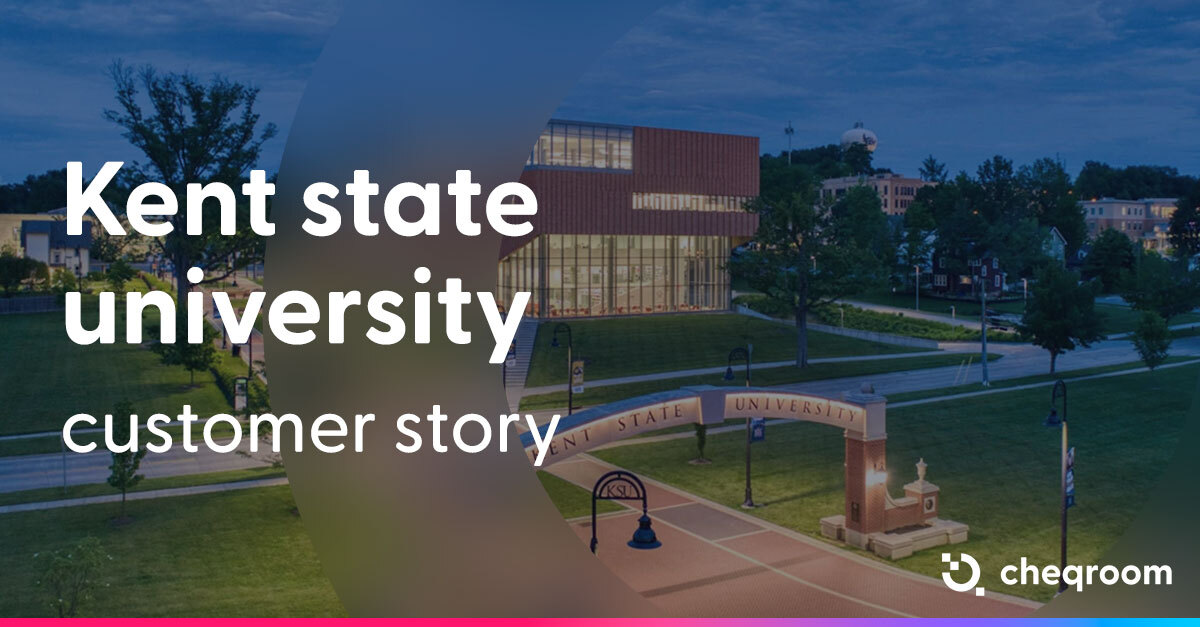
Kent State University's College of Communication and Information manages roughly 7,000 items available for student checkout. At that scale, even a small percentage of transactions with missing records generates a significant volume of untracked movements every week.
A process that is 95% reliable across 800 weekly checkouts produces 40 untracked transactions per week. Over a semester, that is hundreds of gaps in the record.
Cheqroom research shows that 48% of organizations say their reservation and checkout processes are harder than they should be. In university equipment rooms running hundreds of weekly transactions, that friction compounds daily.
What Missing Equipment Actually Costs University Programs
The direct cost is replacement. A lens goes missing and gets reordered. But the operational cost is often larger than the replacement cost.
Lab sessions get canceled or restructured when key equipment is unavailable. Students lose access to the tools they need for graded work. Instructors adjust lesson plans around missing gear. Staff time shifts from supporting programs to resolving equipment issues.
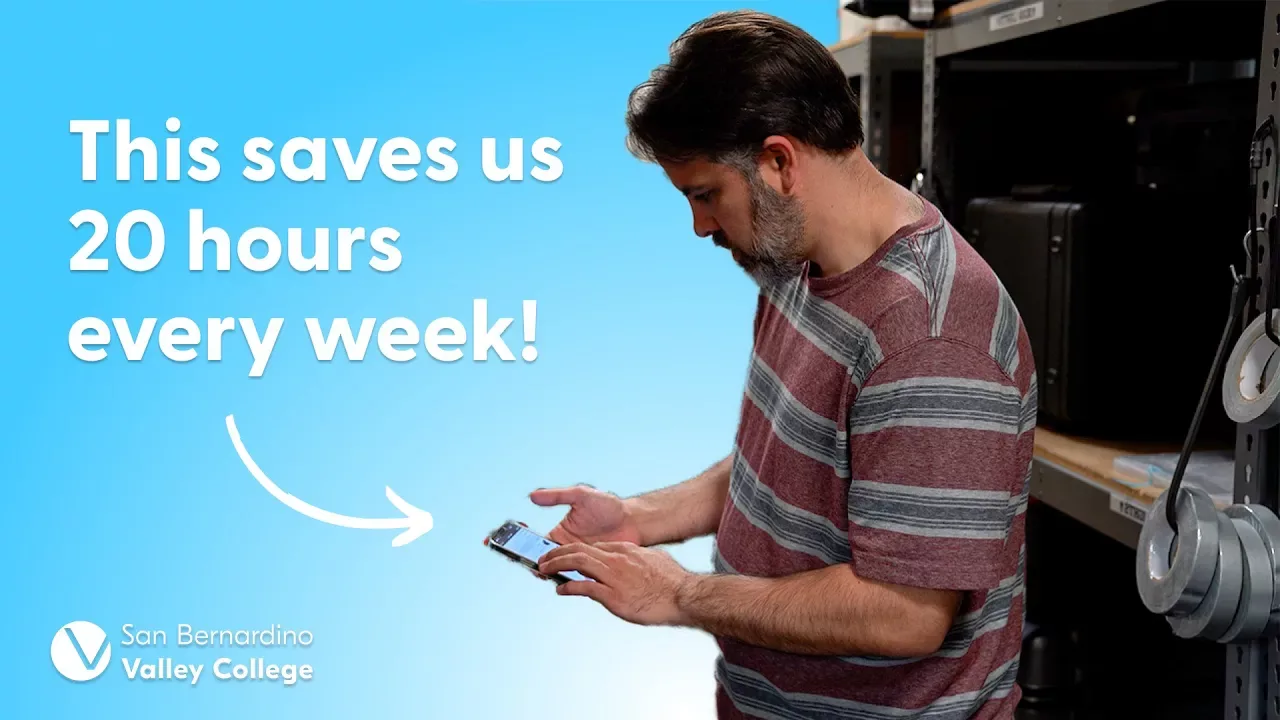
San Bernardino Valley College's film program staff were spending significant hours each week on manual tracking and verification before switching to Cheqroom.
Over time, departments compensate by over-purchasing. Duplicate items get ordered because the original cannot be located. Without utilization data, equipment managers cannot distinguish between genuinely missing gear and gear that is present but not logged correctly. Both look the same in the record: unavailable.
The accountability gap also affects students directly. Portland State University's film department moved to structured tracking specifically to close this loop. Before the change, damaged equipment returned to circulation without anyone catching it. After, faculty could identify the last person who had a piece of gear and hold them accountable by name. Student behavior changed because the accountability was real.
💡TIP
Cheqroom supports tiered equipment access by student level or class. A first-year student cannot book an ARRI or RED camera that requires advanced certification. Equipment Access controls restrict high-value or advanced gear to qualified users, which reduces damage-driven maintenance load and protects your most expensive inventory.
What Accountability Actually Looks Like in a University Equipment System
Accountability in a university equipment room means every asset has a specific owner, a defined return window, and a known condition at every handoff. Cheqroom gives staff visibility into who has each item, when it is due back, and what state it was in at last check-in, without making a call or walking to the storage room.
Individual Assignment with a Signed Agreement
Every checkout is tied to a named student with a digital signature and a timestamp. That signature is a checkout agreement, a legally binding record that the student acknowledged the condition of the gear and accepted responsibility for its return.
It takes seconds to generate and removes any ambiguity about who held what and when. For departments dealing with repeat damage or unexplained losses, that record is what makes accountability enforceable rather than just expected.
Condition Logged at Return
Condition of the equipment needs to be part of the return action. A damaged asset flag raised at return removes the asset from bookable inventory immediately and notifies anyone with a future reservation.
The microphone with the bent capsule does not get packed into the next student's kit because it no longer appears as available. The problem stops at the return rather than compounding through the next three users.
Overdue Gear Reminders Built-In
Every checkout has a return deadline. Staff do not have to monitor returns manually or send reminder messages. Automated notifications are sent directly to the borrower's phone meaning students are reminded before gear goes overdue. Overdue items surface in the dashboard automatically with the responsible person attached. The system does the chasing, so coordinators don't have to.
Access Controls That Match Academic Structure
Not every student should have access to every piece of equipment. Role-based permissions restrict advanced or high-value gear to students with the right course level, certification, or training.
A first-year photography student sees the beginner kit inventory. A third-year cinematography student sees the full camera package options. The system enforces the curriculum's equipment progression without requiring staff to manually gatekeep every checkout.
💡TIP
Booking Portal from Cheqroom provides a simplified reservation interface for students who only need to browse and reserve equipment occasionally. They see availability, make their booking, and show up to collect. The full administrative interface stays with coordinators. Simple for students, full control for staff.
Equipment Tracking Features That Close University Accountability Gaps
Closing accountability gaps in a university environment requires features designed for high-volume shared access, not static asset assignment. Here is what actually matters and what ties tracking into Cheqroom's broader AssetOps platform rather than leaving it as a standalone log.
Structured Reservations and Checkout Controls
Equipment cannot leave the room without being assigned. Reservation and checkout controls require every item to be booked in advance and checked out to a named user before it is taken.
Students reserving a camera for a documentary project, a lighting kit for a studio session, or a field recorder for a location shoot all go through the same process. The record is created before the gear moves, not after.
Real-Time Availability Across All Departments
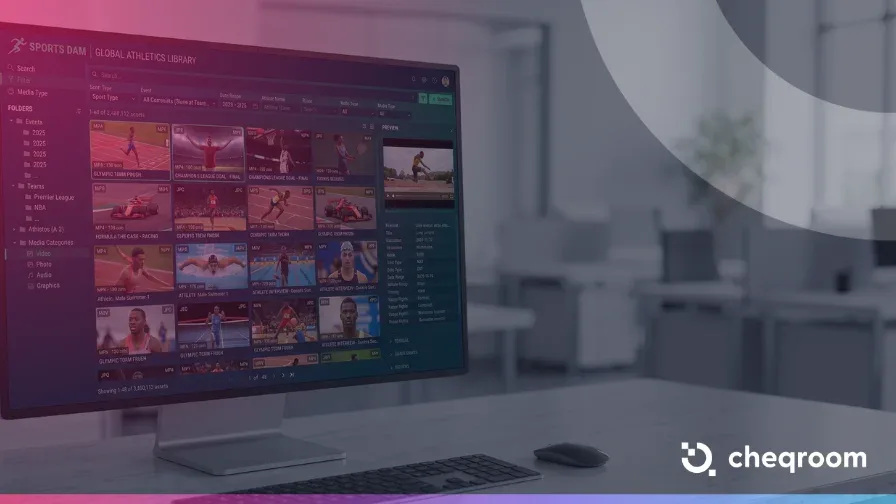
Availability reflects current checkouts, upcoming reservations, and maintenance blocks in one view. A media lab coordinator and a journalism department coordinator both see the same up-to-date picture of shared inventory.
No phone calls to confirm availability. No double bookings discovered at pickup. Students can check availability before they arrive, which reduces queue pressure at peak times.
Mobile-Friendly Access for Staff and Students
The full workflow runs from a smartphone. Coordinators scan gear in and out at the equipment window. Students check their active loans, upcoming due dates, and equipment condition notes from their phone.
A coordinator running a spotcheck on a remote equipment cage can reconcile physical inventory against digital records without returning to a desk. Any step that requires a desktop gets skipped under real-world conditions.
Maintenance Connected to Availability
Damaged equipment needs to disappear from bookable inventory the moment it is flagged. In Cheqroom, maintenance tracking connects asset conditions directly to availability — a faulty microphone flagged at return blocks itself from the next booking automatically, and the relevant team member is notified. A coordinator then opens the work order and assigns it to a technician, tracking the repair to completion. That connection between the maintenance ticket and the booking calendar is the core of what Cheqroom means by AssetOps: maintenance isn't a side system, it's tied to the same record as availability and lifecycle.
Audit Trails That Build Accountability Over Time
Audit trails record every checkout, return, transfer, condition change, and maintenance event with a user identity and timestamp. Over a semester, that history becomes the accountability record for the entire equipment program.
Coordinators can review which students had which items, what condition the gear was in at each handoff, and where patterns of damage or loss emerge. That data is also what protects the department in disputes, insurance claims, and end-of-year inventory reconciliation.
💡TIP
Use custom fields to track course level, certification status, or department affiliation on student profiles. Combined with Equipment Access controls, this creates an automatic gatekeeping system: the right gear goes to the right students without manual intervention from coordinators at every checkout.
What Changes When University Equipment Rooms Run on Structured Systems
The shift shows up differently depending on the institution, but the operational outcome is consistent.
San Bernardino Valley College's film program The program handled more than 800 weekly checkouts without adding headcount. The coordination overhead that had been consuming staff time every week disappeared into the workflow.
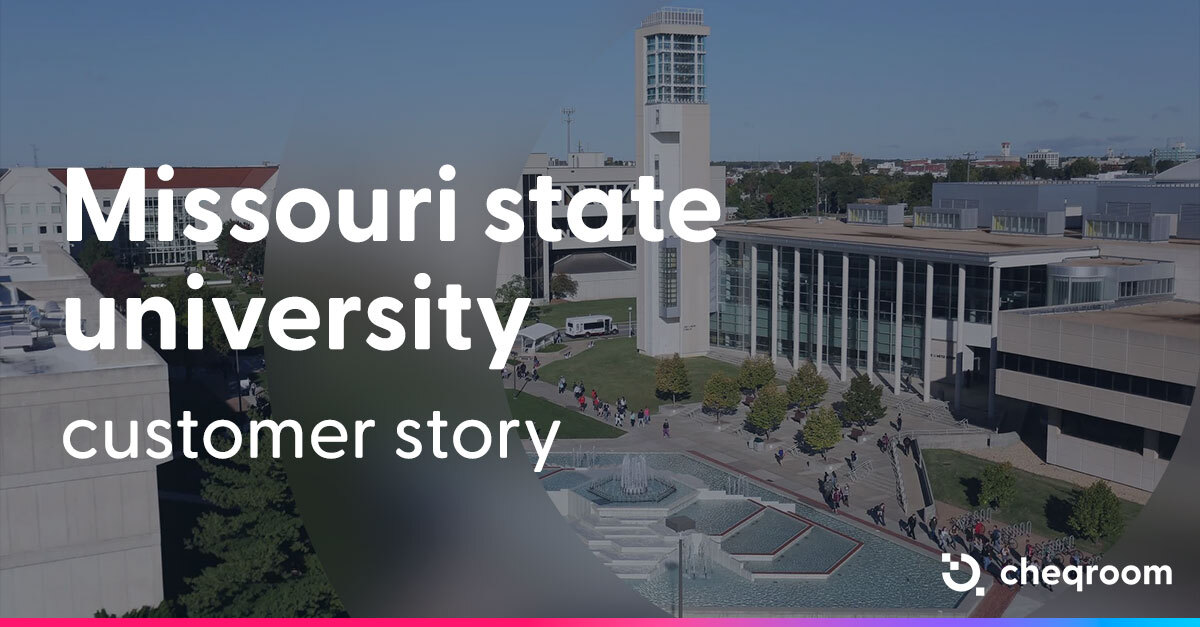
Missouri State University started with one department and scaled across the institution. As each department adopted the system, the same pattern repeated: saved time on checkouts, measurable reduction in equipment damage, and coordinators managing operations instead of managing paperwork. The consistency came from the structure being the same everywhere, not from each department inventing its own process.
Denison University's students felt the difference, too. They cited the mobile app and pickup reminder notifications as the features that reduced missed pickups and late returns without requiring staff to follow up manually. When the accountability system is easy enough that students actually use it, the accountability that coordinators were manually enforcing becomes something the workflow handles.
That last point is the through line across all three. Equipment stops moving without a record. Damage stops circulating because the return process catches it. Overdue gear surfaces automatically. The accountability is built into how the system operates, not into how much time coordinators spend chasing it.
Accountability Does Not Come From Stricter Rules. It Comes From Better Systems.
University equipment rooms lose gear because the systems managing that gear were not built for the pace, scale, and complexity of how shared academic equipment actually moves.
Sign-out sheets, shared spreadsheets, and disconnected tools work fine in low-volume environments with stable user bases. They do not work in a media lab processing hundreds of weekly checkouts from a rotating population of students under semester-end pressure.
The fix is not more reminders, stricter policies, or more staff hours spent tracking down missing items. It is a system where every checkout creates a record, every return includes a condition update, every damage flag blocks the next booking, and overdue gear surfaces automatically. That is what keeps equipment available, programs running, and coordinators focused on the work that actually matters.
See how Cheqroom builds accountability into university equipment operations.
Meet Maria Fernanda Benitez, our Marketing Specialist driving Cheqroom’s voice and performance. Mafe blends creativity with data, shaping content, managing social media, and supporting operations while keeping a close eye on what actually works.
She has a natural instinct for trends and performance and loves turning insights into smarter decisions. Her favorite part? Brainstorming, optimizing, and making every idea count.
Why do university equipment rooms lose gear more than other environments?
University equipment rooms face a uniquely challenging combination: a large, constantly changing user base, high checkout volume, time-pressured returns, and equipment that moves between classes, projects, labs, and events.
Every semester brings new students who are unfamiliar with the process. Without a system that enforces accountability at the point of action rather than depending on users to follow procedures voluntarily, gaps form at every handoff.
How does Cheqroom handle high-volume checkout environments like university equipment rooms?
Cheqroom is built for exactly this model. Scan-based checkout and quick check-ins handle high transaction volume without creating bottlenecks. The Booking Portal lets students browse and reserve equipment without needing a full account, so pickups are faster and the queue pressure at peak times drops. Equipment Access controls automatically restrict gear to the right student level without manual gatekeeping. Configurable roles, fields, and permissions mean the system adapts to how each department actually operates. Automated overdue notifications replace manual follow-up.
Kent State University manages roughly 7,000 items available for student checkout through Cheqroom, and San Bernardino Valley College handles more than 800 weekly transactions.
Does Cheqroom work for both A/V equipment rooms and science labs?
Cheqroom supports any shared equipment environment with serialized assets that move between users on defined loan periods. A/V departments, photography programs, journalism schools, science labs, and STEM facilities all operate on the same model: equipment goes out to a named user for a defined period and comes back in a known condition.
Cheqroom also handles the broader ecosystem of resources that support that work. Consumables — batteries, media cards, chemicals, lab supplies — can be tracked alongside serialized gear so stock levels stay visible and usage is logged. Spaces like media studios, editing suites, or lab rooms can be reserved in the same flow as equipment, so scheduling conflicts surface before they become problems on the day. The same reservation, checkout, and accountability structure applies across all of it.