🚀 The Manager's Playbook
Let’s be real, you’ve got a tough job. You need to make sure your team has instant, easy access to the expensive, mission-critical assets they need, but you also have to protect that gear from getting double-booked, misused, or lost. It’s a constant battle between empowering your users and maintaining powerful oversight.
Here’s a truth bomb: a booking system that promises flexibility without giving you real control is just a recipe for chaos. That’s why setting strong equipment booking guardrails isn't optional; it's foundational. These guardrails are the smart rules and permissions that guarantee the right piece of gear lands in the right hands at the right time.
We’ve compiled a straightforward, 5-step checklist based on our work with thousands of organizations. Use this to configure your system for maximum autonomy and unmatched accountability. Let’s lock it down.
How can smart permissions restrict access to valuable assets?
You wouldn't hand the keys to your server room to an intern on day one, right? The same logic applies to your high-value, specialized equipment. Not every user needs access to everything, especially costly items like a $10,000 camera. Think about the university setting: smart permissions ensure students only get to borrow gear they're fully qualified to use.
Your Guardrail Action: Define Access with Smart Permissions
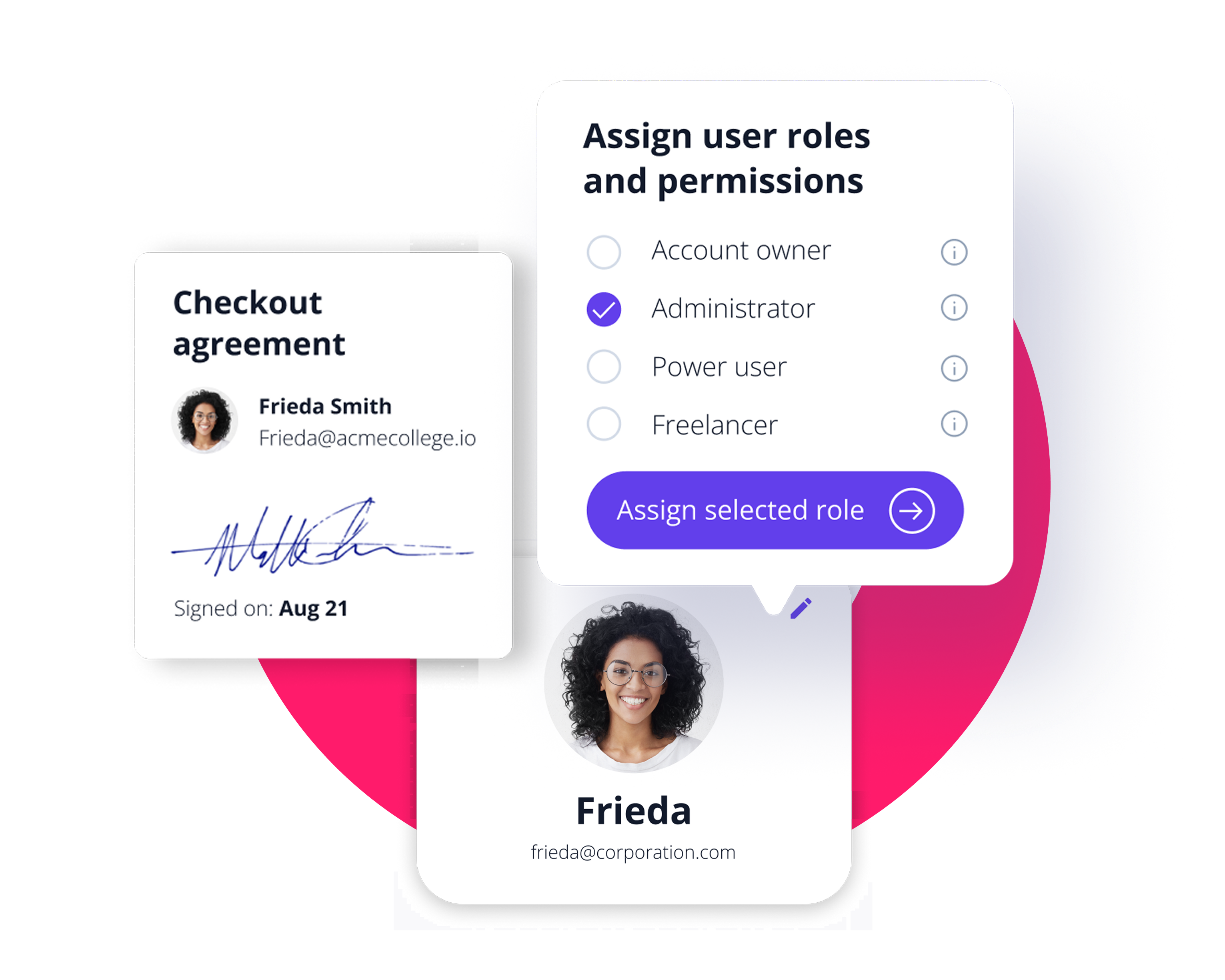
- Implement Custom User Roles: Stop relying on blanket permissions. Use customizable user roles to strictly control who books, reserves, and uses what.
- Tailor Access: Base permissions on factors like a user's expertise level, seniority, or specific project requirements.
- The Result: You blend empowering flexibility for your users with powerful oversight for managers, fulfilling the first critical part of strong equipment booking guardrails.
Why are real-time tools better for preventing equipment booking double-ups?
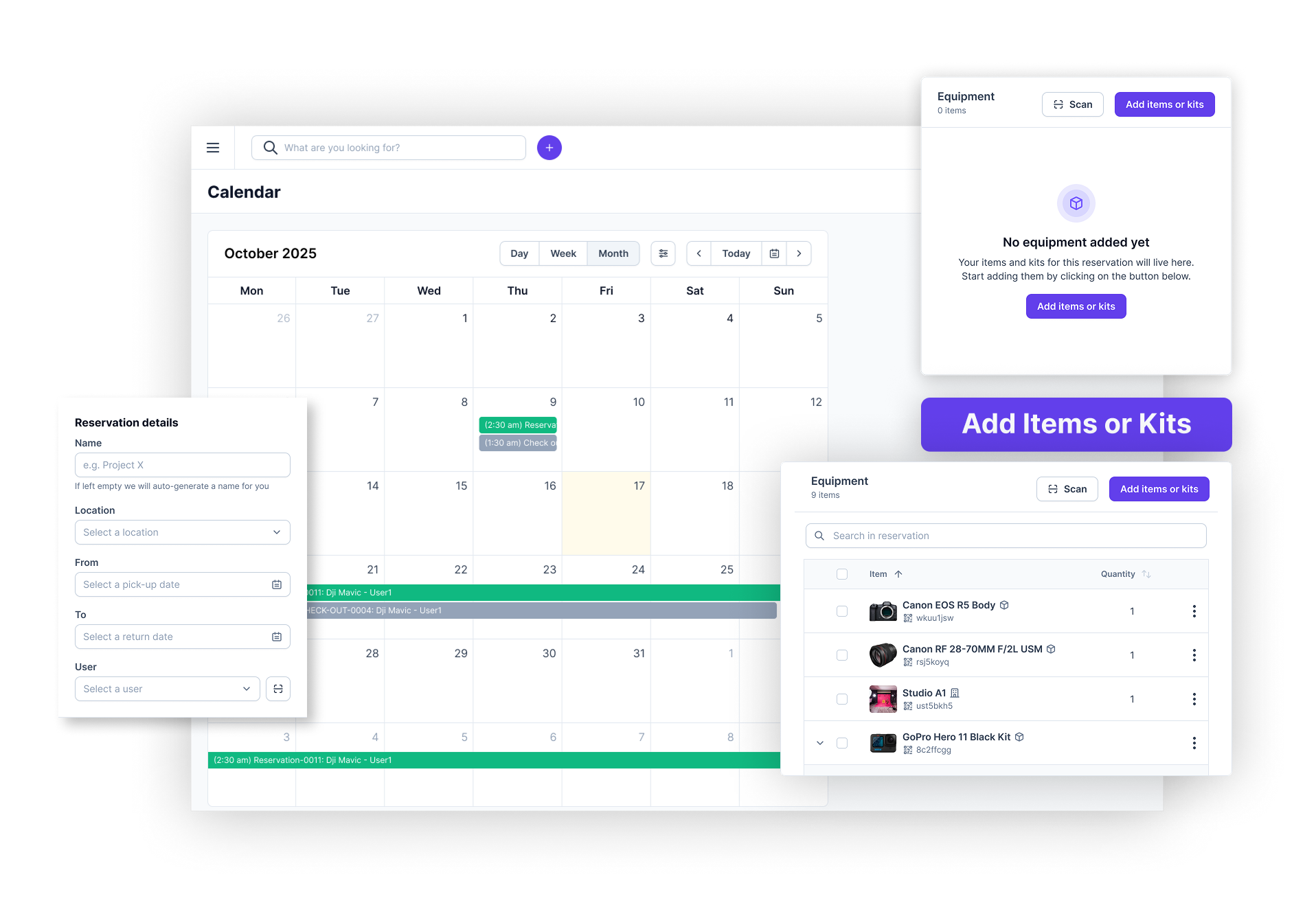
Relying on basic calendars or manual sign-up sheets to track shared gear is a scheduling nightmare waiting to happen. Double bookings are an instant workflow disruptor that consumes valuable time and causes unnecessary project delays. It's frustrating for everyone involved.
Why are real-time tools better for preventing equipment booking double-ups?
Relying on basic calendars or manual sign-up sheets to track shared gear is a scheduling nightmare waiting to happen. Double bookings are an instant workflow disruptor that consume valuable time and cause unnecessary project delays. It's frustrating for everyone involved.
Do I need an approval process for every asset booking?
Not always! Self-service works great for low-risk items (like an HDMI cable). But when a $10,000 camera is walking out the door, a manager might really need to sign off. Organizations with complex workflows or larger budgets often benefit from systems designed for bigger operations that require layered features, like access control or mandatory approvals.
What's the easiest way to automate returns and ensure equipment booking accountability?
The final, and often overlooked, guardrail is the check-in process. The system is crucial for enforcing on-time returns and guiding the responsible party (manager, admin, etc.) through confirming its condition. Without a robust process to close the loop, even the best reservation system fails to enforce full accountability.
Your Guardrail Action: Automate Return Accountability
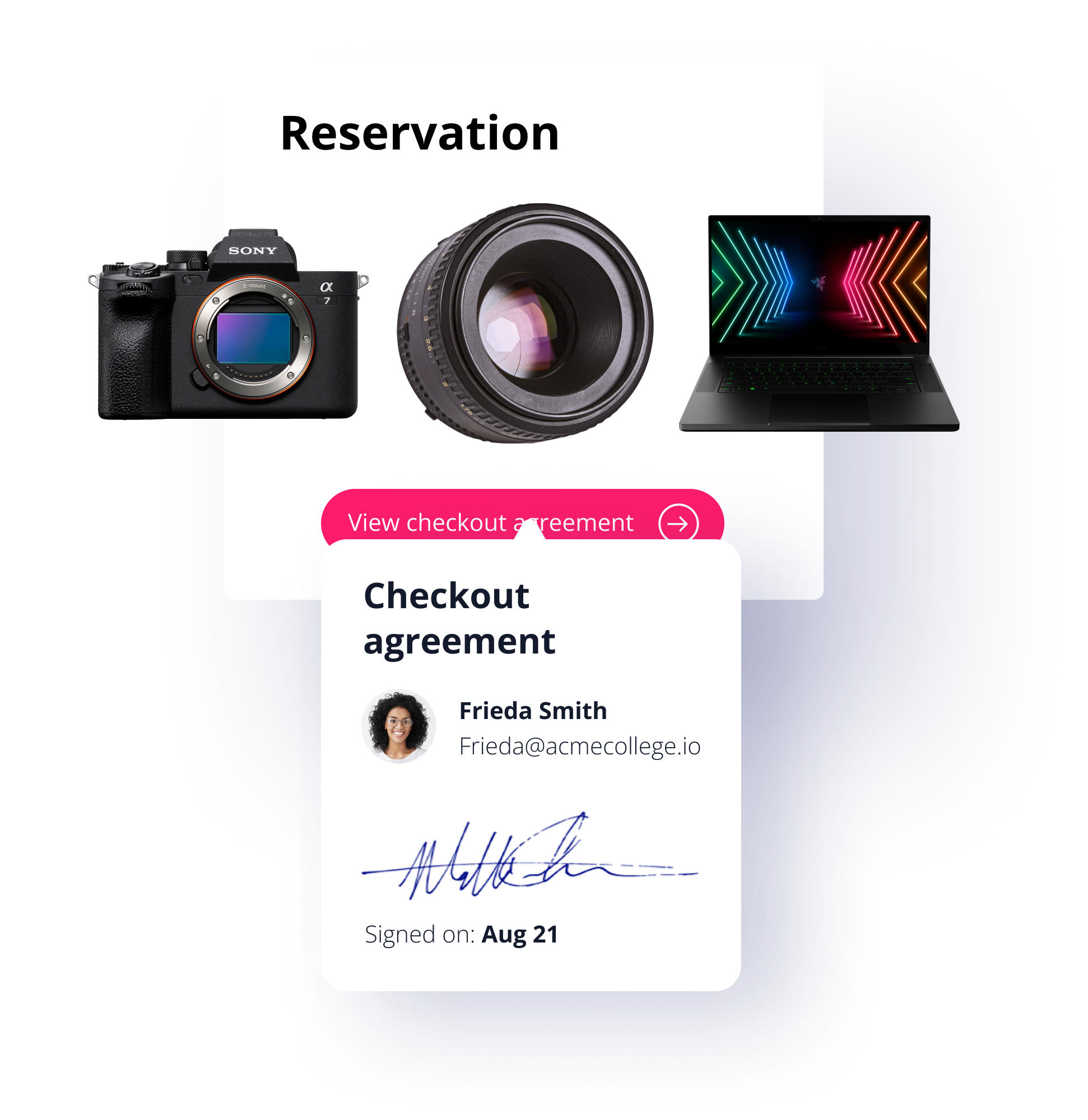
- Ditch the Sign-Up Sheet: Enable simple, self-service bookings backed by e-signature.
- Automate Notifications: Automated overdue gear notifications are the best way to streamline returns and prevent equipment loss.
- Capture Instant Issues: Allow users to instantly flag issues during the check-in process, automatically updating the asset's condition and notifying your maintenance team for immediate review and swift resolution to get gear back into rotation quickly.
- Proactive Maintenance: Beyond immediate fixes, the platform should automate service reminders, scheduling proactive maintenance based on actual usage, not just the calendar. This combination creates a fully auditable history trail of every asset's life.
Why It’s More Strategy Than Admin
Setting up robust equipment booking guardrails isn't about creating more red tape. It’s about replacing chaotic, manual admin work with automated, smart boundaries.
When you implement these five steps, you don't just protect your assets; you empower your whole team. We're here to help you get that balance right, keeping your work—and your most valuable gear—in motion.