
How can I optimize the asset lifecycle management process?
Asset lifecycle management is crucial for businesses aiming to maximize asset value. It involves managing assets from acquisition to disposal.
Optimizing this process can lead to significant cost savings and improved asset performance.
Understanding the key stages of the asset lifecycle is essential for effective management.
Implementing robust strategies and leveraging technology can enhance asset efficiency and tracking.
This guide will explore actionable insights to optimize your asset lifecycle management process.
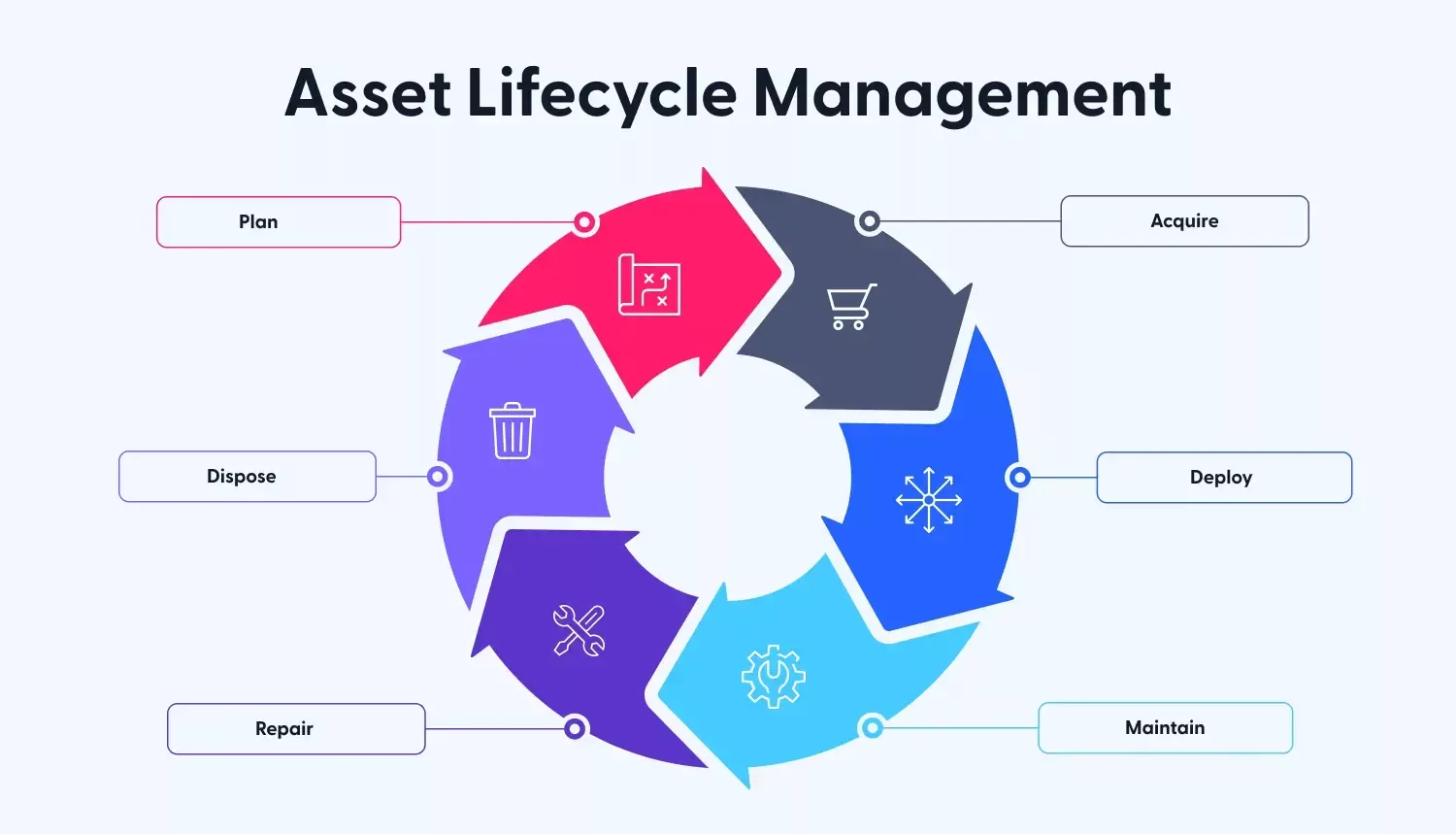
What is Asset Lifecycle Management?
Asset lifecycle management encompasses the full journey of an asset. This journey begins with its planning and acquisition.
The goal is to optimize an asset's performance over time. This involves managing costs, efficiency, and returns on investment.
Key components of asset lifecycle management include:
- Planning and Acquisition
- Operation and Maintenance
- Disposal and Replacement
Each stage is critical for maximizing asset value and achieving business objectives.
Key Stages of the Asset Lifecycle
The asset lifecycle comprises several critical stages, each requiring specific strategies. Understanding these stages is essential for effective lifecycle management.
The lifecycle begins with planning and acquisition. This step sets the foundation for the asset's future use and performance. Proper planning ensures the right asset is chosen.
Next comes operation and maintenance. This stage focuses on ensuring assets perform optimally throughout their usable life. Regular maintenance is crucial to maximize asset efficiency.
Finally, disposal and replacement occur once an asset has reached the end of its useful life. This stage involves selecting the proper disposal methods and considering replacement options.
In summary, the key stages are:
- Planning and Acquisition
- Operation and Maintenance
- Disposal and Replacement
Planning and Acquisition
Planning is the first crucial stage in the asset lifecycle. It requires evaluating the needs of the organization and defining clear objectives.
Acquisition involves procuring assets that align with these objectives. Good planning ensures that acquisition decisions support the overall asset strategy.
Important considerations during this stage include:
- Budget constraints
- Future scalability
- Compliance with standards
Strategic planning and careful acquisition can lead to significant cost savings and improved asset performance.
Operation and Maintenance
Operation and maintenance are vital for sustaining asset performance. This stage involves regular checks and timely interventions.
Effective maintenance prolongs asset life and enhances reliability. It can prevent costly downtimes and ensures continuity.
Key actions during this stage include:
- Routine inspections
- Preventive maintenance
- Corrective actions
By investing in solid operation protocols, organizations can achieve better asset efficiency and performance over time.
Disposal and Replacement
Once an asset nears the end of its life, disposal becomes necessary. It's crucial to dispose of assets responsibly to minimize impacts.
Replacement planning ensures that new acquisitions maintain asset strategy goals. Early planning helps avoid disruptions.
Considerations at this stage include:
- Environmental regulations
- Reuse or recycling options
- Cost-effective replacement
Timely and thoughtful disposal strategies support sustainable practices, ensuring the lifecycle management process remains efficient and effective.
Strategies for Optimizing Asset Lifecycle Management
Optimizing asset lifecycle management requires strategic approaches that align with organizational goals. Effective asset management can enhance performance and reduce costs.
Organizations should develop a comprehensive lifecycle strategy that includes regular assessments and updates. This ensures processes adapt to changing technology and business needs.
A key strategy involves integrating technology into asset management processes. This can include automation to streamline tasks and reduce human error.
The following strategies can enhance lifecycle management:
- Implement robust policies
- Leverage asset tracking technology
- Conduct lifecycle analysis regularly
By applying these strategies, organizations can achieve greater asset performance and efficiency throughout the lifecycle.
Implementing Effective IT Asset Lifecycle Management Policies
IT asset lifecycle policies are essential for maintaining control and compliance. These policies provide a framework for managing assets effectively.
Clear policies ensure consistency in processes and help mitigate risks. They guide decision-making and support asset optimization.
Key components of effective policies include:
- Asset categorization
- Regular audits
- Compliance standards
A well-implemented policy improves asset tracking and supports strategic objectives.
Leveraging Technology: Asset Tracking and Automation
Technology plays a crucial role in optimizing the asset lifecycle. Asset tracking systems provide real-time data for better decision-making.
Automation reduces manual tasks, enhances accuracy, and saves time. It can significantly improve lifecycle efficiency.
Benefits of using technology include:
- Increased visibility
- Improved data accuracy
- Enhanced decision-making
By leveraging these tools, businesses can streamline processes and enhance asset management outcomes.
Data-Driven Lifecycle Analysis and Asset Optimization
Data analysis is vital for understanding the total cost of ownership and asset efficiency. It helps organizations optimize their asset strategies.
Data-driven insights enable proactive maintenance and informed replacement decisions. They support continuous improvement in asset performance.
Important elements of data-driven analysis include:
- Performance metrics
- Cost analysis
- Predictive maintenance
Utilizing lifecycle analysis tools can transform how organizations manage their assets, leading to improved outcomes and efficiency.
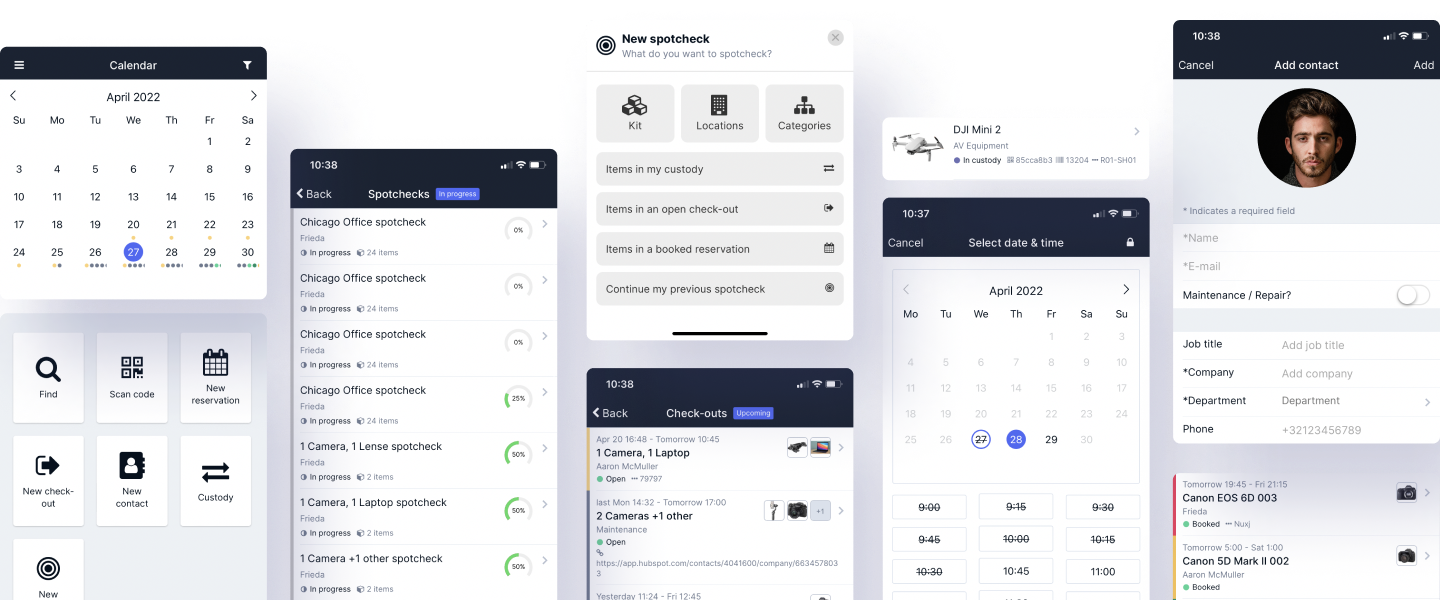
Best Practices for Asset Lifecycle Management
Adopting best practices in asset lifecycle management can significantly enhance asset performance. Well-defined processes lead to better asset utilization and reduced downtime.
One of the key practices is implementing regular audits. These audits ensure compliance and reveal areas for improvement. Staff training is also essential to ensure that everyone understands their roles in managing assets effectively.
Essential best practices include:
- Conducting regular audits
- Providing continuous staff training
- Utilizing integrated management systems
These practices help organizations to maintain control and achieve optimal results throughout the asset lifecycle.
Choosing the Best Platforms for IT Asset Lifecycle Management in 2025
Choosing the right platforms for IT asset lifecycle management in 2025 will be crucial. Emerging platforms are expected to integrate advanced analytics and automation features.
Key factors to consider when choosing a platform include:
- Scalability and integration capabilities
- Real-time data analytics
- User-friendly interface
Select platforms that adapt to evolving technology and business needs.
The Benefits of Optimized Asset Lifecycle Management
Optimizing asset lifecycle management delivers remarkable benefits. It boosts asset efficiency, reduces costs, and enhances performance across the board.
A streamlined process also aids in sustainable practices and improves organizational decision-making. Ultimately, it positions businesses for future growth and success.

Master Your Asset Lifecycle.
Stop losing value to downtime and disorganized data. From acquisition to disposal, get the real-time visibility you need to maximize every asset you own.

Maria Alejandra Benitez Chief of Staff at Cheqroom | Equipment Management Expert! Maria is the strategic mind shaping Cheqroom’s big-picture moves. As Chief of Staff, she turns industry insights into go-to-market gold—bridging customer needs, product vision, and smart execution.
With a deep pulse on equipment-heavy industries and a sharp eye for market trends, she helps Cheqroom stay three steps ahead. Whether it’s unlocking new verticals or fine-tuning product-market fit, Maria’s the one connecting the dots (and making it look easy).
She’s all about bold strategy, smart growth, and making gear management way cooler than it sounds.
More blog articles