The Missing Layer in Equipment Operations? Context.
Your ticketing system knows what needs doing. It has no idea why it matters.
This might sound familiar: a frantic Slack message about a broken camera, an email thread for a procurement request, or a quick “hallway ask” about a calibration check—all before your second cup of coffee.
Requests are everywhere. But as they scatter across tools and conversations, ownership blurs, critical details get lost, and leadership struggles to understand what’s actually happening on the ground.
Better tracking helps, but it’s not enough. The real shift is connecting requests with context: bringing conversations, decisions, timelines, and ownership into a single, coherent view. That’s what turns scattered activity into actionable operations.
Are You Stuck in the Generic Ticket Trap?
Most teams rely on ticketing systems, task managers, or spreadsheets to manage operational work. While these tools can track that something needs to be done, they rarely connect the work to the actual assets and locations involved.
A ticket might say:
“Camera broken — needs repair.”
But it rarely answers the questions that actually move work forward:
- Where is it located?
- Who last used it - and did they report anything?
- Is it booked for a shoot next week?
- Has this same issue happened before?
Without that context, teams waste time chasing information, equipment history gets lost, and patterns go unnoticed. Work becomes reactive instead of informed.
The cost?
- Time lost tracking down details
- Equipment that’s underutilized or misplaced
- Teams constantly stuck in catch-up mode
The Solution: A Single Source of Operational Truth
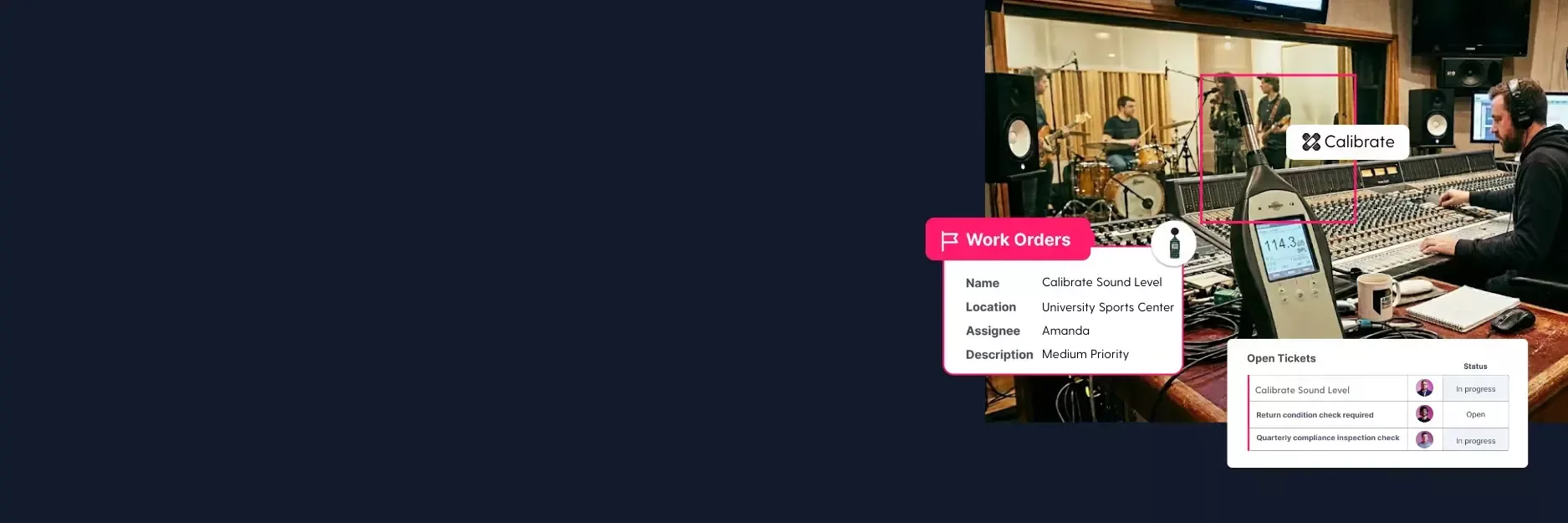
Operations Management from Cheqroom connects every request directly to the asset, location, project, or person it involves. A broken camera request doesn't float in an inbox — it attaches to that camera's service history, last booking, and next scheduled use. From the moment a request is created, it has context.
Over time, that record becomes something even more valuable than just a living operational history of that item. It becomes a clear picture of how your equipment actually moves and performs. Not just what broke, but what keeps breaking, what's underutilized, and what's due for replacement.
How It Works: From Intake to Completion
Bridge the gap between “something needs to be done” and “it’s done, documented, and traceable.”
The workflow is straightforward, but the compounding effect is significant.
1. Structure Intake
Capture the right details (and photos!) upfront with configurable fields.
2. Route & Assign
Every request is automatically connected to the relevant asset, location, project, and people—ensuring it reaches the right owner with the right context.
3. Act & Track
Use configurable checklists, monitor status, and keep every task and outcome logged as it happens; all from one dashboard.
4.Close & Document
When work is completed, the outcome becomes part of the asset’s permanent operational history. Build a permanent, exportable, record of every service, inspection, and move.
Unlike generic ticketing tools, Cheqroom ties every request to the real-world context your team actually runs on.
Real-World Use Cases
When operational work is tied to asset context, teams can manage far more than simple repairs. They can manage the entire lifecycle of equipment and infrastructure.
| Use Case | The Operational Impact |
|---|---|
| Maintenance Work Orders | Log issues with photos, track parts and labor, and maintain a complete service history tied to each asset so gear stays operable and bookable. |
| Compliance & Audits | Capture required checks, approvals, and sign-offs so compliance documentation lives alongside the asset's history. |
| Logistics & Transfers | Move gear between teams, locations, or projects with clear ownership, documented handoffs, and full accountability. |
| Calibration | Track outcomes so equipment stays safe and "audit-ready." |
| Procurement & Purchase Orders | Standardize purchasing requests with specifications, budgets, and approvals while keeping procurement tied directly to asset records. |
| Event Preparation & Project Work | Keep prep, readiness, and operational tasks connected to the project and the gear required. |
Stop Guessing. Start Operating.
When operational work stays connected to the physical world your teams depend on, nothing disappears into a chat thread. Requests become records. Records become insight. And your team stops playing catch-up.
Instead of fragmented requests, your team operates with a single thread of operational truth. What begins as a simple request—fixing a camera, moving a server rack, logging an inspection—becomes part of the living history of the asset. Over time, you get a clear picture of how equipment moves and performs.
Operations Management is where individual tasks become part of a larger system—one step closer to fully realizing Asset Operations. It’s the shift from scattered operational work to a connected system where assets, people, and processes move together.

As a Product Marketer at Cheqroom, Amanda is dedicated to expanding what’s possible for teams on the move. She is passionate about removing the friction from asset management and optimizing workflows, ensuring clients can get the most out of their tools and focus on the work they love.
More blog articles