Why Universities are Moving from Asset Management to Asset Operations
Equipment is everywhere on campus, but the systems managing it usually aren't.
Media labs, engineering programs, IT departments, athletics, and research labs all manage equipment differently. For years, this approach has worked well enough.
But as campuses grow, programs expand, and budgets tighten, "well enough" starts to show its cracks.
The result? Spreadsheets that only one person understands. Duplicate purchases because another department already owned the gear. Lost or unaccounted-for equipment. And a lot of manual back-and-forth that eats into time your staff doesn't have.
This isn't a people problem. It's a systems problem And more universities are starting to address it.
What "Campus-Wide" Equipment Management Actually Means
The shift toward unified equipment management isn't about ripping out what each department has built. It's about connecting the dots between them. When institutions move to a shared platform, the impact shows up across four areas of campus life:
1. Student Experience
Students today expect tools and resources to be available the moment they need them. A unified system makes this possible: loaner programs built for high-frequency borrowing and the ability to bundle equipment with studio, lab, or room reservations. The result is less friction between a student and the tools they need to learn, create, and experiment. That matters whether you're running a film program, a lab, or a hybrid research environment.
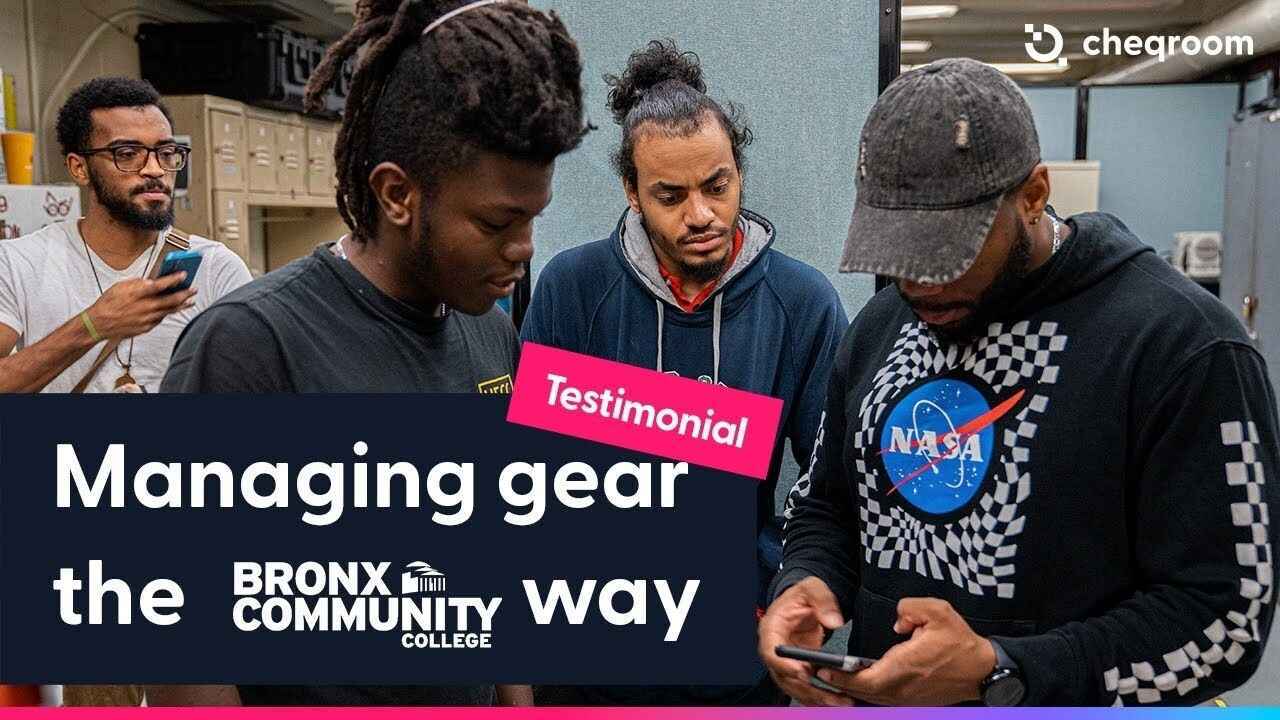
See how Bronx Community College empowers students to take control of their filmmaking by adopting an easy-to-use system designed to streamline equipment reservations and production workflows.
2.Staff Efficiency
High-volume inventory doesn't have to mean high-stress management. With the right system, staff get real inventory control and oversight, managed with precision and speed, along with a clear accountability trail for every interaction. Every check-out, every return, every discrepancy: documented and tied to a history that protects your team when questions arise. No more chasing down who had what last semester.
3.Operational Health
Maintenance backlogs and ad hoc repair requests are a quiet drain on operational capacity. A connected system routes maintenance tickets to the right teams automatically, tracks repair status in real time, and links repairs, inspections, and purchasing requests into a single searchable workflow. No more scattered emails and sticky notes holding things together. When something breaks, everyone who needs to know, knows.
4.Campus Infrastructure
For institutions managing equipment across multiple buildings or locations, the complexity compounds fast. Digitizing your asset footprint means every item is tied to its home location across campuses. Your IT and facilities teams get full lifecycle visibility into long-term loans and fixed assets, not just what's in their own building. Which means no struggling to piece together an accurate picture when audit season arrives.
One Platform: Every Asset, Every Space, Every Team
When these four areas work together, something shifts at the institutional level.
IT, Facilities, and Academics can finally align on smarter procurement, buying what's actually needed rather than what's assumed to be missing. Leadership gets real campus-wide data, not disconnected departmental snapshots. And students get a single place to borrow gear, book rooms, and get the help they need to move their work forward.
This is what modern asset operations management looks like: a shared operational layer connecting equipment, people, spaces, and processes across the institution.
How Universities Are Making the Shift
We recently spoke with university equipment managers and administrators about how institutions are rolling out campus-wide systems, driving student adoption right, and building internal support for the change.
View this 45-minute webinar to see how top institutions are turning everyday bottlenecks into a competitive advantage.
Ready to Explore the Asset Ops Framework for Your Campus?
Get time with our team to map out your strategy.

As a Product Marketer at Cheqroom, Amanda is dedicated to expanding what’s possible for teams on the move. She is passionate about removing the friction from asset management and optimizing workflows, ensuring clients can get the most out of their tools and focus on the work they love.
More blog articles